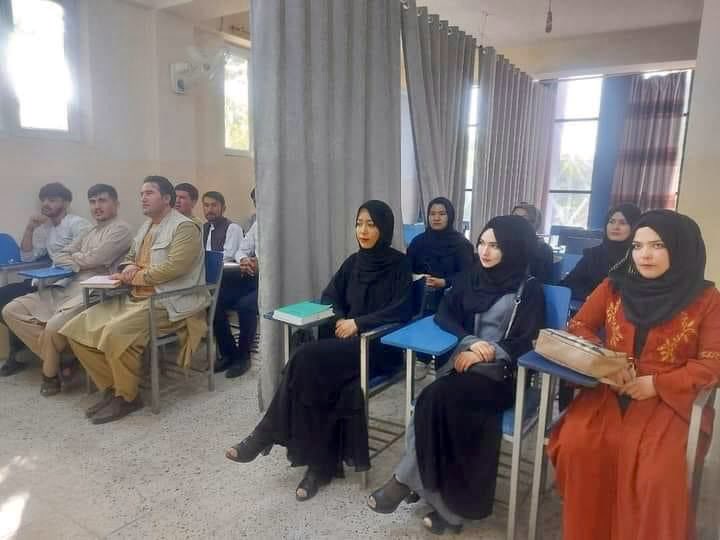
They’ve gone dark: Afghans who helped the U.S. military, trained as American-style journalists and rode the wave of women heading to higher education are destroying the diplomas, transcripts and résumés that prove how they built civil society in the country that the U.S. has left behind.
Jordan Media Institute, journalist push back on stereotypes, press for media literacy in Middle East
KAUNAS, Lithuania —Honored with a Global MIL award on Oct. 24, Naglaa Elemary and the Jordan Media Institute was already attracting buzz from educators and students attending Global Media and Information Literacy Week.
 But a talk by Elemary today revealed more details about how JMI is helping to boost media literacy training across the Middle East, including publishing the first-ever media literacy textbook in Arabic, edited by Elemary and expected to be available as an open-source text on the JMI website in December.
JMI has also been scaling its efforts by “training the trainers” in both public schools and universities across the region.
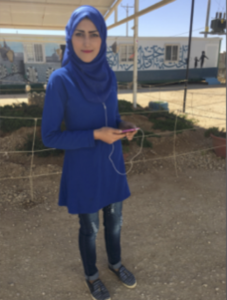
Elemary pushes back on media narratives that consistently connect social media to terrorism and refugees to hopelessness.
“I think we need to get rid of this,” said Elemary, a working journalist and also a professor of media and journalism studies at the British University in Egypt. In the Middle East, social media is noteworthy for its impact on consumer choices; according to Elmary, data show that 70 percent of all consumer decisions are influenced by social media.
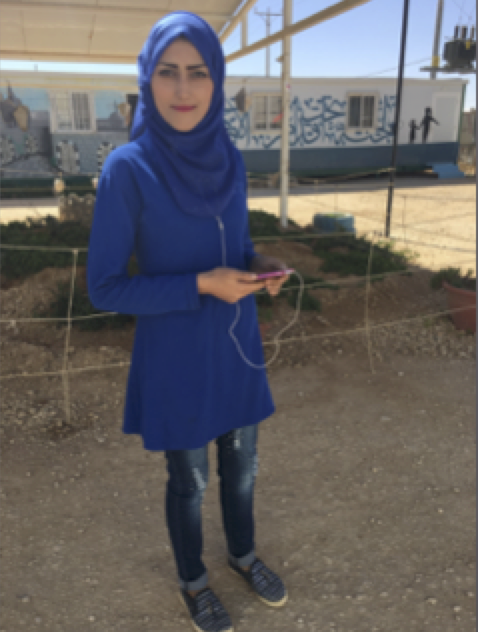
Similarly, Elemary told the story of an unmarried teenage girl in the Zaatari refugee camp in Jordan, the world’s largest such encampment, who was able to get a smartphone, which girls typically aren’t allowed to use until they are married. “She got a job inside the camp, she is independent,” Elemary said.
“So there are opportunities also,” she said, adding, “we can’t always talk about refugees as problems.”
—By Beatrice Motamedi, GSS editor

Related Posts