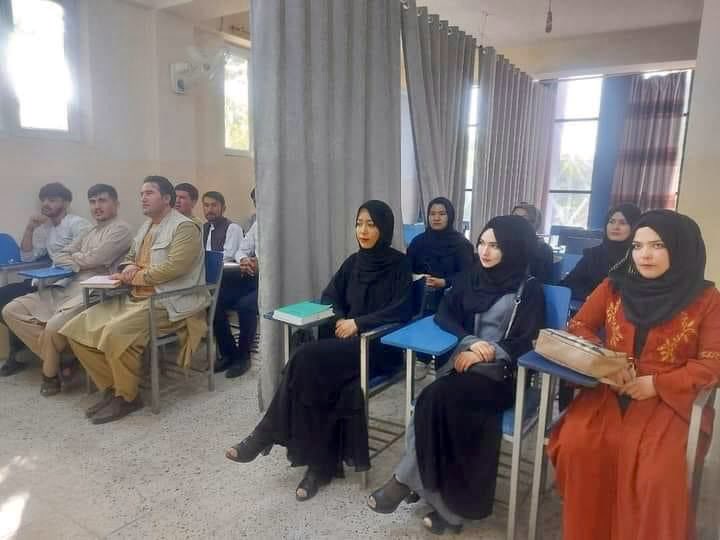
They’ve gone dark: Afghans who helped the U.S. military, trained as American-style journalists and rode the wave of women heading to higher education are destroying the diplomas, transcripts and résumés that prove how they built civil society in the country that the U.S. has left behind.
Speakers at media literacy conference discuss impact of cartoons, empathy in film
By Daniel Nwaeze
African Youth Movement
Special to GSS
KAUNAS, Lithuania — There are newspapers, there are magazines, there is television news and there is radio. And then there are cartoons.
Cartoons can be surprisingly effective as an alternate way of telling news, especially in societies where traditional organizations have lost trust with the public, said Maryna Dorosh, head of media literacy programmes at the Ukrainian Media and Communication Institute in Kiev, Ukraine.
Her comments came in a presentation at the Global Media and Information Literacy Conference on Oct. 25, part of UNESCO’s Global Media and Information Literacy (MIL) Week, which runs from Oct. 24-Oct. 31.
Dorosh, a fellow at PolitiFact in September, said most traditional media platforms are owned by oligarchs and used to push political agendas. How to help unmotivated adults and youth to become more literate?
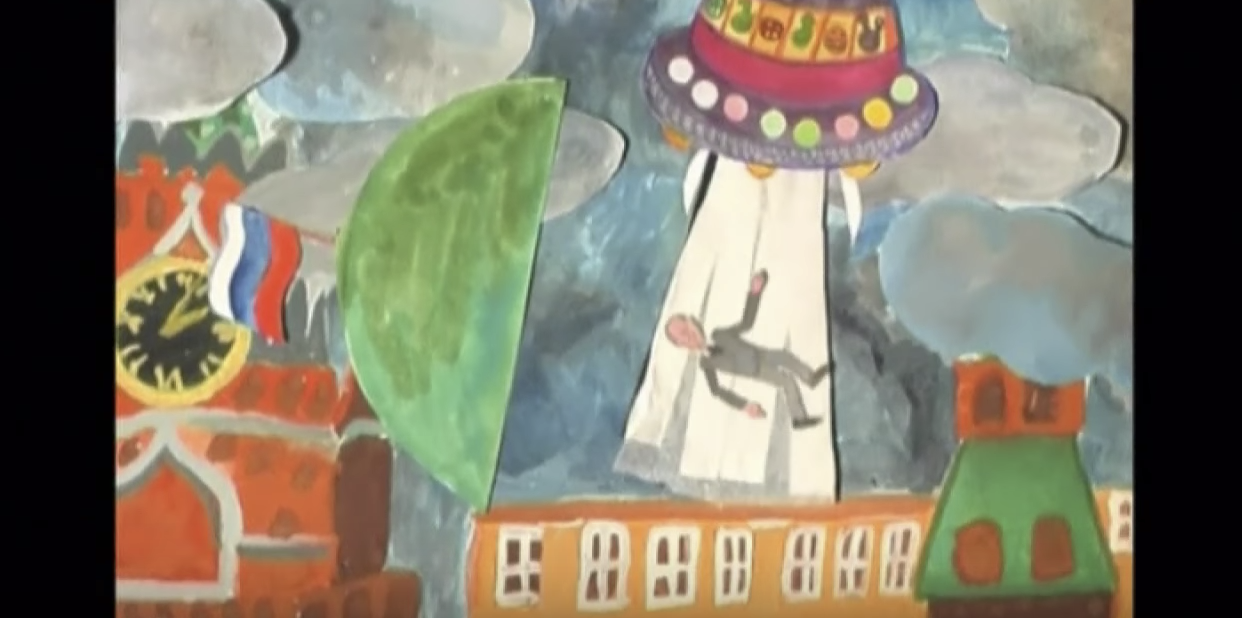
In Dorosh’s case, the answer was cartoons; the Institute launched a competition in Ukraine to promote alternative sources of media and interpretations to information and got more than 100 entries. Entries to the competition showed how cartoons have proven their ability to convey messages about complicated issues in an accessible way.
But Dorosh also warned that “cartoons, when not explained from the perspective of the creator (have) the tendency to be misinterpreted.”
Video caption: A video published in March 2015 by London-based ODN (On Demand News) during a period when Russian President Vladimir Putin had temporarily faded from public view showed a cartoon by Ukranian students depicting Putin being abducted by aliens.
Fellow presenters agreed that visual information is changing along with the needs of new audiences.
Neha Hooda, a lecturer at the University of Debrecen in Debrecen, Hungary, said that children are not passive users but want to have a conversation when using devices or watching contents. What they understand as life can often begin with the television screen. Such information begins to shape their world perspectives and become powerful influences in their interpretations of reality.
Hooda studied children and how cartoons shape their reality in India. Her study led her to note that “when children consider using devices or watching contents, portability, screen size and interactivity is essential to them.”
“It’s not about children understanding media but the ability to use these tools to develop their critical thinking and effective usage,” said Hooda.
Fredrik Holmberg, media educator at Folkets Bio Filmpedagogerna, a nonprofit organization based in Göteborg, Sweden, said media literacy can give birth to a new intellectual generation. Filmmakers who are media literate bring emotions, experience and image making into their art, he said.
He emphasized the need for a consistent adherence to the basics of reporting — the so-called Five W’s (who, what, when, where and why or how) — but added that audiences need to be drawn into the work before they can understand the issues. “The most important is to be engaging,” he said.
 —Nwaeze is communications coordinator for Afrika Youth Movement, a nonprofit organization that connects young people throughout Africa for development and leadership training.

Related Posts