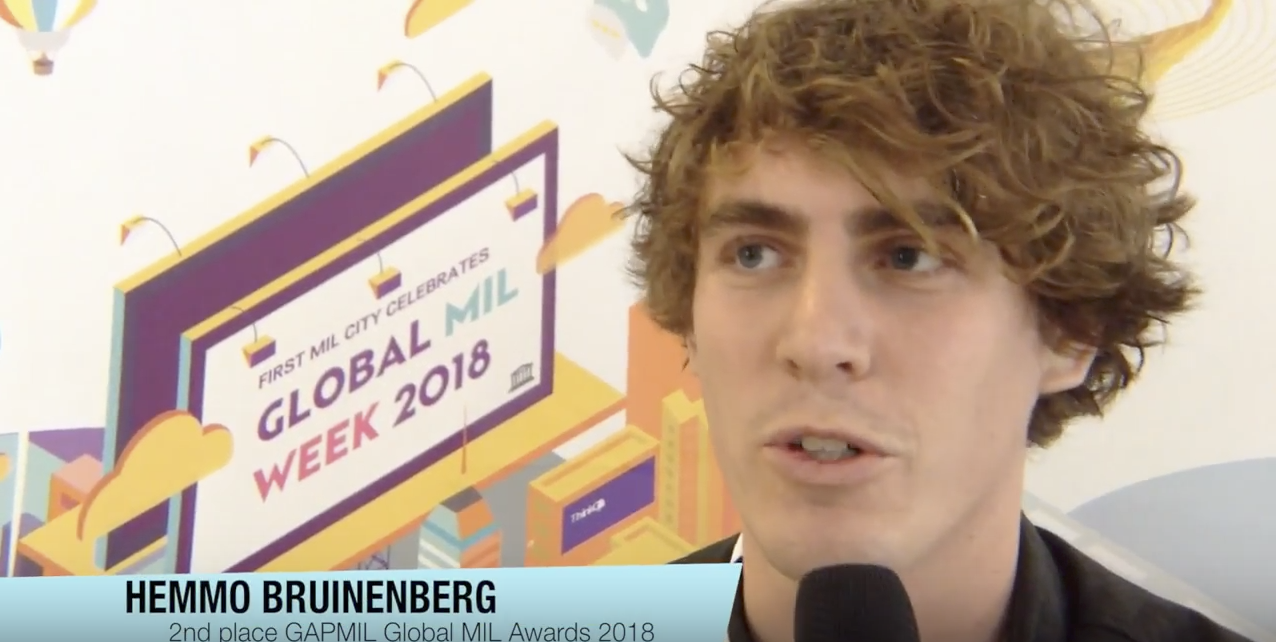
A project that helped refugees tell their stories in film, a literacy education program in one of the world’s most media-challenged nations and a “pioneer” in media literacy in Canada were honored today by UNESCO.
The revised ban temporarily blocks immigration from six Muslim-majority countries — Iran, Libya, Somalia, Sudan, Syria and Yemen — and omits Iraq, which was on the original list.
The White House predicts up to one million undocumented Americans are eligible for immediate deportation, while the Los Angeles Times recently put the number much higher, at eight million.
Students at Houssam Eddine Hariri High School in Saida, Lebanon, produced this video from what they call "a land of diversity," with their message on being young and Muslim.
For me, the most uncomfortable feeling I’ve ever encountered — and continue to encounter — is feeling unwelcome in my own home. And thanks to the executive order on immigration and refugees that President Donald Trump signed last Friday, this painful feeling shows no sign of dissipating.
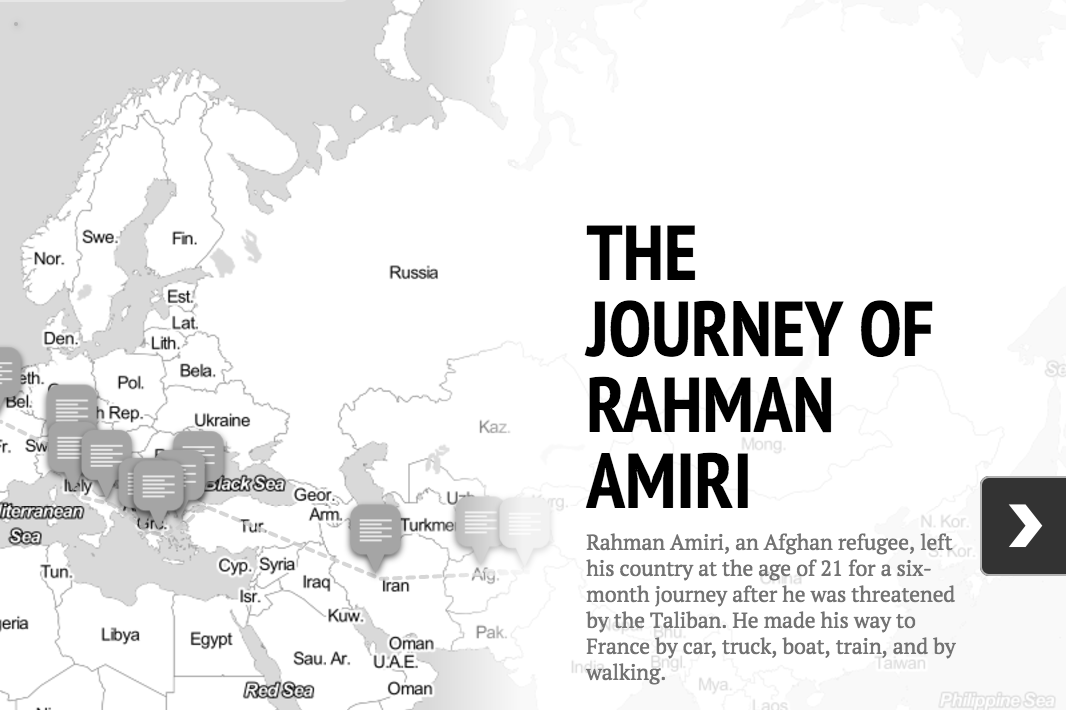
"Here Today," our just-finished digital storytelling project in Paris, gives a human backstory and predicts the chaos that erupted after an executive order on immigration signed by President Donald Trump last Friday.
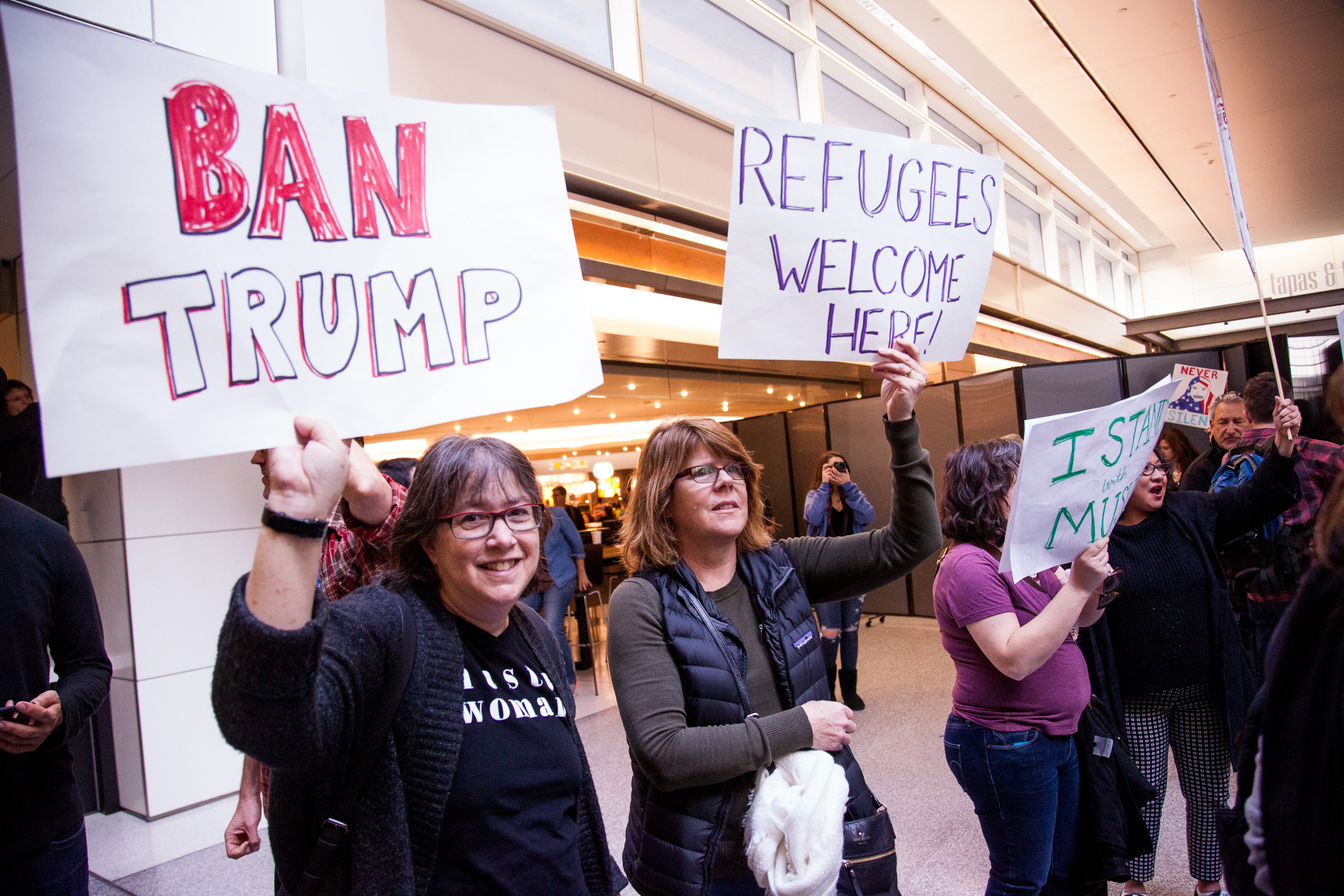
With the travel ban on Muslims and the end of the U.S. refugee resettlement program announced just yesterday, now is another time for young people to act — Jews and Muslims, Latino/as and LGBTQ, and every other American who is being targeted, mistreated, marginalized and stopped at the border.
When we read an article about a refugee’s journey, we don’t get the same impression as when we actually talk to the person who took the steps to flee his country for another place.
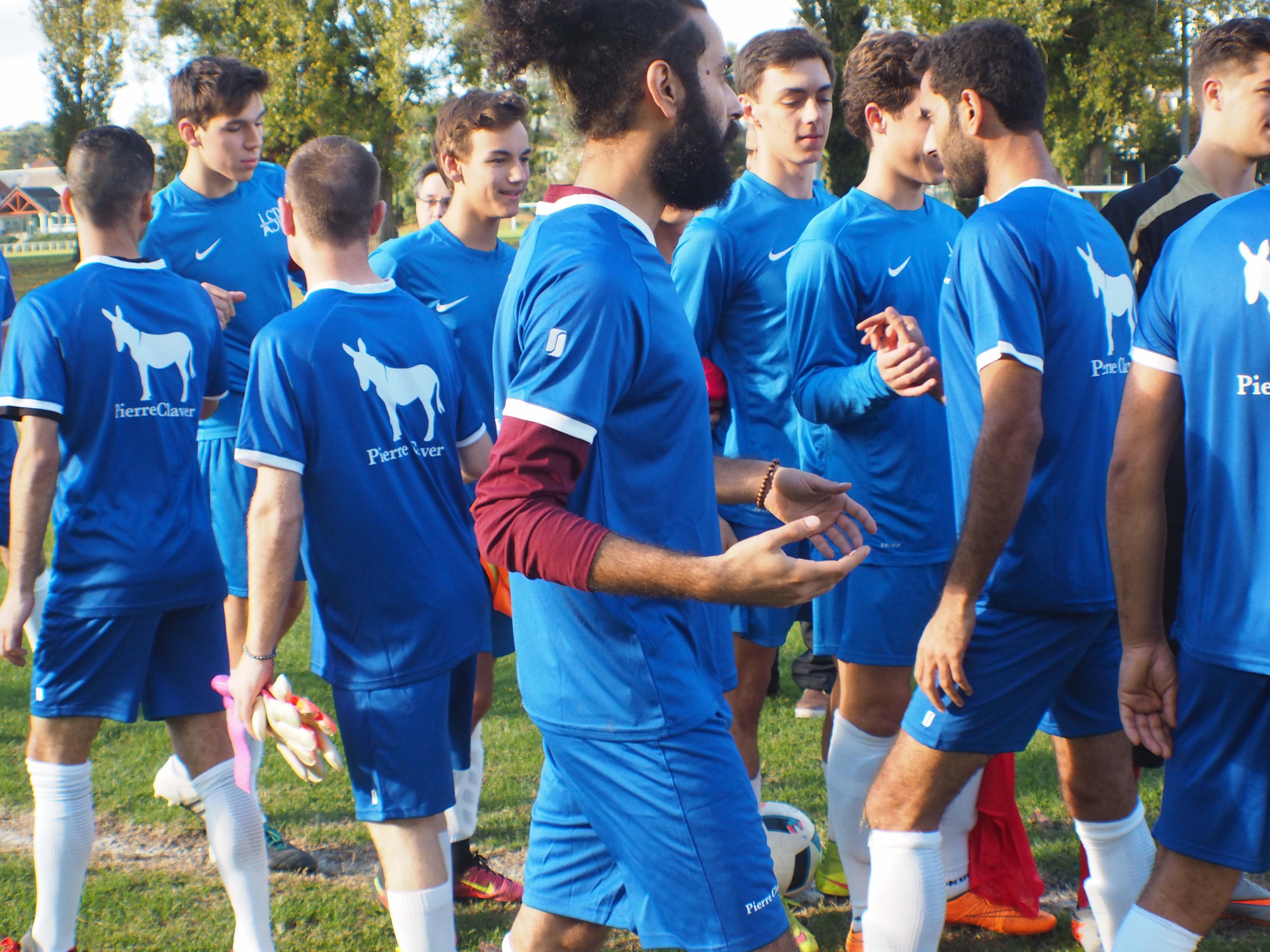
A calculation by ASP sophomore Anabella Prosperi using information from Association Pierre Claver and player interviews revealed that Claver players traveled a combined 98,179 kilometers from Afghanistan, Libya, Sudan and Syria, where they lived before they were forced to migrate.