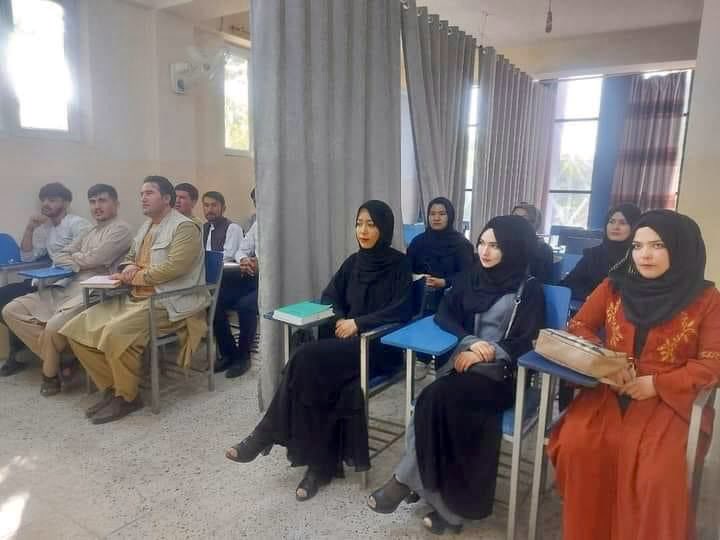
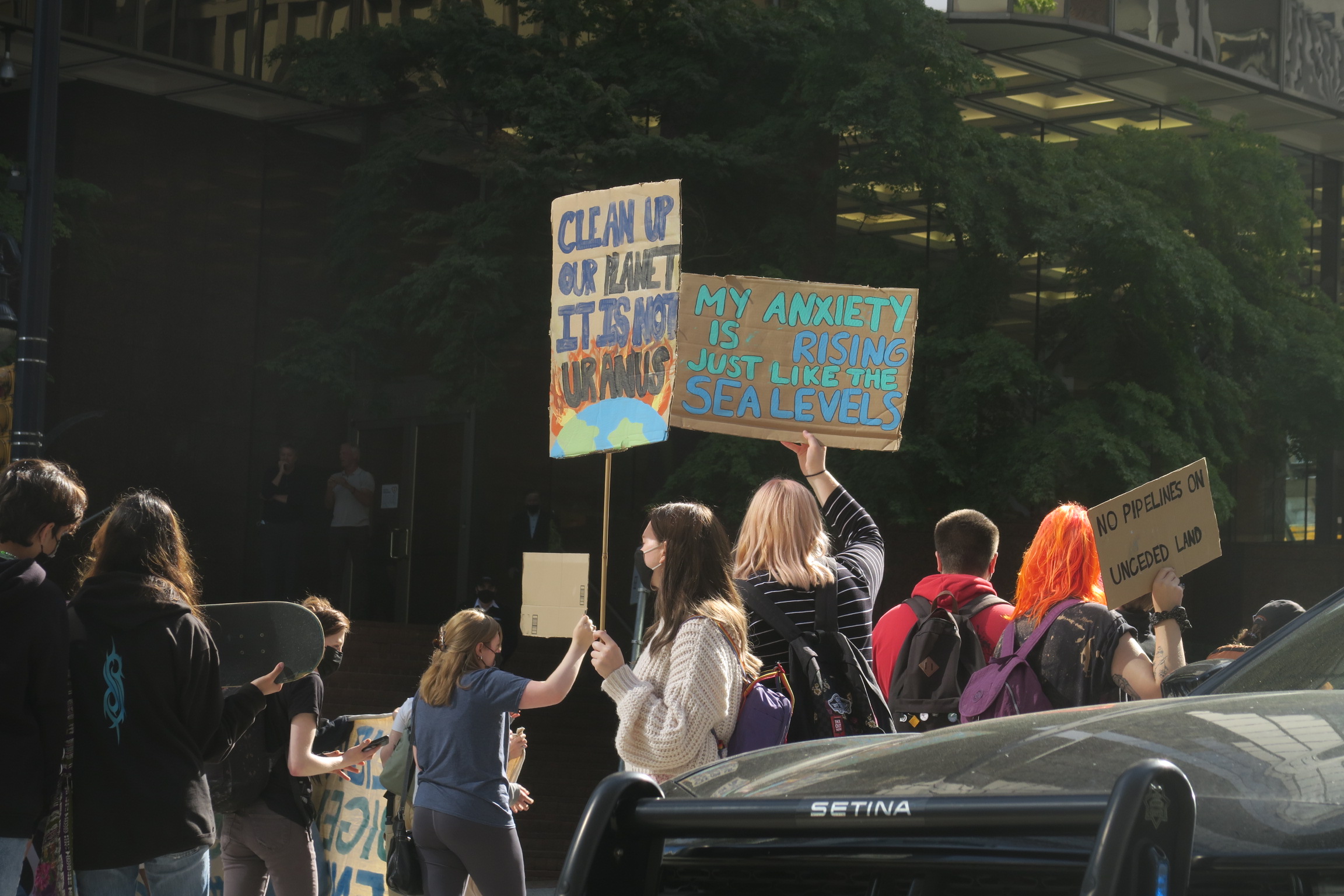
They’ve gone dark: Afghans who helped the U.S. military, trained as American-style journalists and rode the wave of women heading to higher education are destroying the diplomas, transcripts and résumés that prove how they built civil society in the country that the U.S. has left behind.
World at “breaking point” with refugee flows, UN official says
By Casey Miller and Jack Hennessy
Global Student Square staff writers

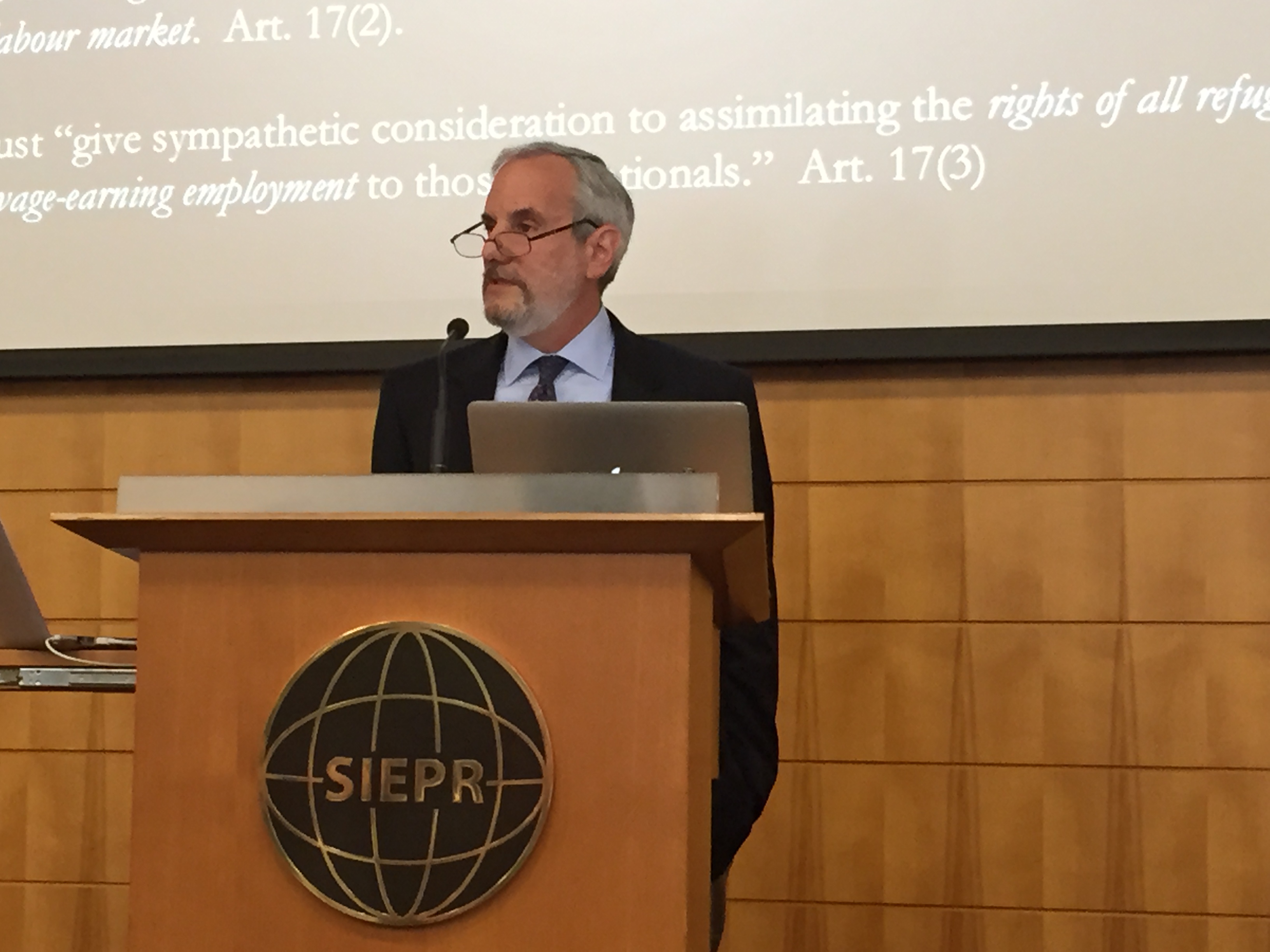
The world is at a “breaking point” with millions of refugees overwhelming nations such as Lebanon, Yemen and Turkey, UN Deputy High Commissioner for Refugees Alexander Aleinikoff told an audience at Stanford University on Saturday.
With an estimated 51 million refugees displaced from their homes by conflict and violence, the international community is now at a crossroads on how to carry out permanent resettlements, Aleinikoff said.
Today, with the highest number of refugees since World War II, “the strain on states is producing a breaking point,” Aleinikoff told an audience of approximately 40 people attending the Stanford Association for International Development conference on “forced migration.”
Aleinikoff listed Yemen, Syria, Iraq, Somalia, south Sudan, Columbia, and Mexico among refugee “hotspots” being watched closely by the UN.
“This system is on the verge of collapse,” Aleinikoff said. “All told, this is a world of hurt and it’s not getting better.”
When first challenged by a humanitarian crisis, many nations respond appropriately with offers of aid, Aleinikoff said.
But aid doesn’t go far.
“Public services have become overwhelmed in these countries, the cost of housing has increased dramatically, economic growth has faltered, (and) unemployment is rising,” Aleinikoff said. “(Countries are) faced with the growing security concerns, and not enough international support.”
Ironically, nations that open doors often find themselves closing them later.
“Huge generosity (at the) start has led to a tightening of the borders now,” Aleinikoff said.
According to Aleinikoff, the right to movement is part of the Universal Declaration of Human Rights, adopted by the United Nations after World War II.
However, this right is not enforceable by the UN and it does not include the right to work, Aleinikoff observed.
One way out of the dilemma that nations face is to give refugees a better chance to integrate economically with the lands they now live in, Aleinikoff said.
“Without the right to work, all other rights are meaningless,” Aleinikoff said. “It’s time for the international community to affirm refugees’ right to work.”
Aleinikoff gave several examples of nations that have worked with refugees to increase economic opportunities.
“In just 2014, Syrians established over 1,000 new businesses in Turkey, a good example of the kind of economic benefits of allowing refugees the right to work,” Aleinikoff said.
While refugees fleeing violence in the Middle East are in the headlines, Aleinikoff urged participants at the conference to keep focus on refugee populations that have spent decades in camps without a resolution of their plight.
One example is the Dadaab camp in eastern Kenya. On Saturday, Kenyan Deputy President William Ruto, responding to the recent attack at Garissa University that killed 147 people, urged the UN to relocate Dadaab residents to Somalia, or “we shall relocate them ourselves.”
According to Aleinikoff, Dadaab — created during the 1991 civil war in Somalia — now hosts 350,000 people and three generations. An estimated 10,000 children in the camp were born to people who themselves were born there.
For many, Aleinikoff says, “what starts as emergency relief becomes a way of life, with refugees spending years, decades, and even lifetimes in refugee camps.”
Inadequate support, few jobs and widespread violence take a toll especially on women and children.
“This is obviously not the way children should grow up in the world,” Aleinikoff said.
Sadly, Dadaab is not unique.
“Turkey has now become the largest refugee-receiving country in the world,” Aleinikoff said. Also, Lebanon has a population of 4 million and has taken in 1 million refugees.
Such numbers can be difficult for Americans to visualize, he said.
“If a quarter of the population of the United States was refugees,” Aleinikoff asked, “how would we try to deal with that?”
Despite their economic and social plight, refugees have rights that must be respected, Aleinikoff said.
Those rights include the UN’s 1951 Convention, as well as the Universal Declaration of Human Rights, under which refugees “have rights to fair process, which leads to the freedom of movement,” Aleinikoff said. However, “neither (document) requires states to accept refugees and provide asylum.”
Even so, in states that recognize refugees, “they have the right to practice their religion, to have their children attend schools, and to work and start businesses, and crucially the right to not return to places where they will be persecuted,” Aleinikoff said.
“Rights is a powerful word,” he added. “Legal scholars will tell you that “rights” trump usual considerations of costs and benefits. Governments cannot violate or refuse to recognize rights because to do so would be politically difficult to do, or even inconvenient. And refugees have a large number of rights.”
Infographic created by GSS contributors Andjela Padjeski and Shannon Yang

Related Posts