They’ve gone dark: Afghans who helped the U.S. military, trained as American-style journalists and rode the wave of women heading to higher education are destroying the diplomas, transcripts and résumés that prove how they built civil society in the country that the U.S. has left behind.
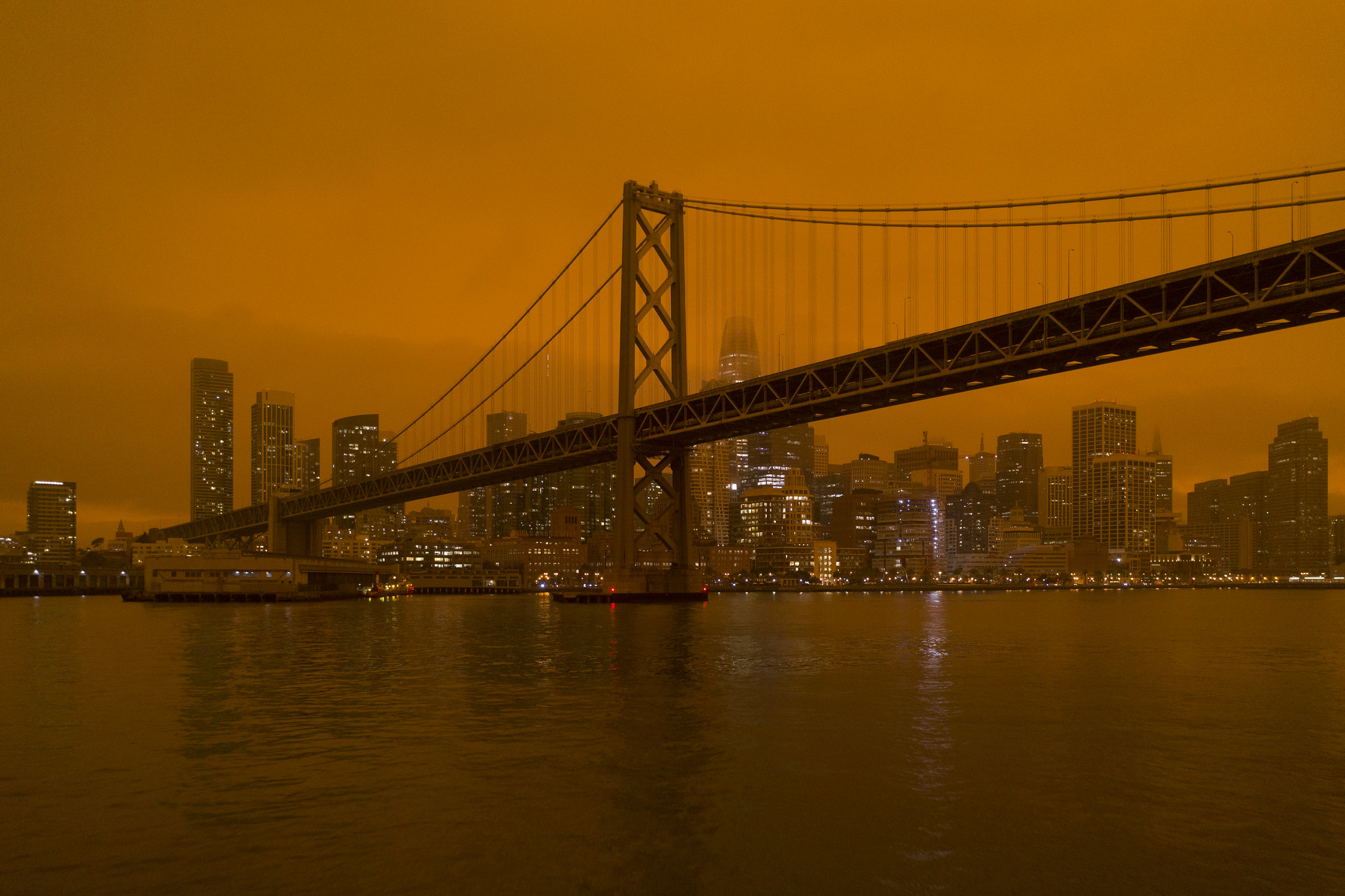
OPINION: Why California Needs To Burn
By Shruthi Narayanan
Newsroom by the Bay Now
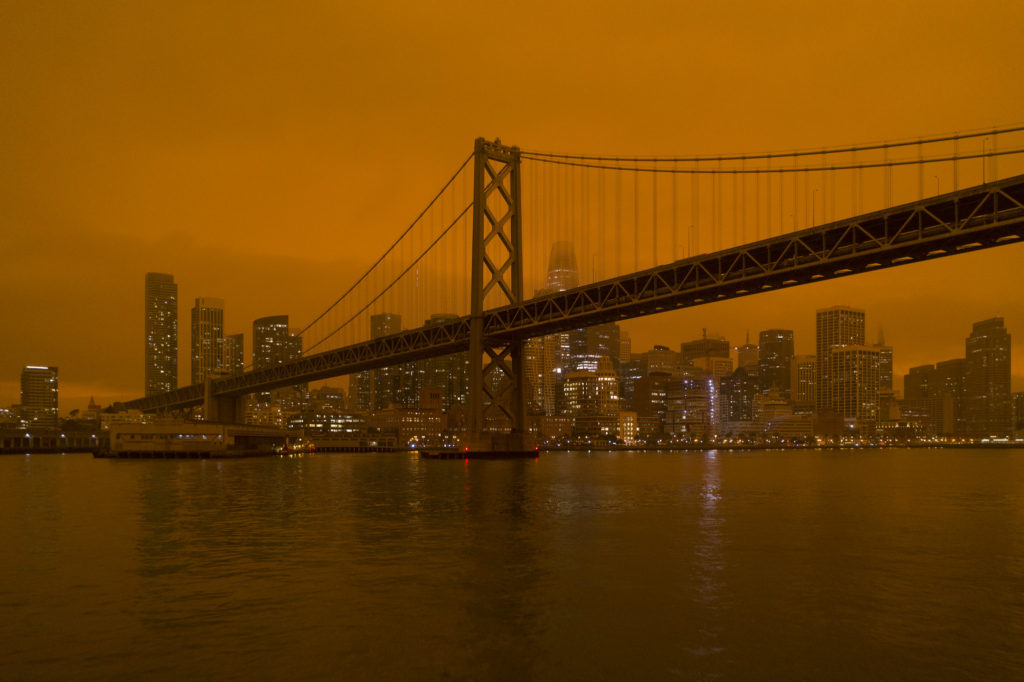
SAN RAMON, Calif. — It seems simple: If a fire is burning, especially one that threatens people, put it out.
Since the 19th century, when large fires — such as the Peshtigo Fire of 1871 in Wisconsin and the Great Fires of 1910 in Montana and Idaho — burned many acres of land, killed thousands people and damaged numerous properties, U.S. land management agencies have advocated for fire suppression, the practice of extinguishing wildfires instead of letting them burn.
But it turns out that putting fires out may not be the best way to prevent the next one.
According to an Aug. 24 story by National Public Radio, for 60 years, the U.S. Forest Service had a 10 a.m. policy, which required all fires to be extinguished by 10 a.m. the day after they began. However, a school of thought has emerged that might be better for the environment and for preventing more wildfires from starting: Cultural burning.
According to Fire Sticks Alliance Indigenous Corporation, based in Australia and led by Aboriginal elders, cultural burning refers to burning practices used by Indigenous communities to enhance the health of land and people. Practiced in the U.S. by Native Americans before it was put to a stop by the federal government, the idea of letting wildfires burn to their natural conclusion instead of seeking to suppress them has recently gained popularity.
“The (Native American) tribes… are beginning to do cultural burning again, which hasn’t happened in many years. I think that burning on a small scale could complement a larger scale prescribed fire program that could maybe reduce fuel loads,” said Scott Stephens, a professor at the University of California, Berkeley, who studies fire science and forest ecology. “But it also would bring a culture back — bring back the empowerment of Native people, food security, sovereignty, all sorts of things (that are) connected.”
However, according to public television station KCET, because of past policies by the U.S. Forest Service and the California Department of Forestry and Fire Protection (CalFire), cultural burning was significantly limited.
“No doubt, indigenous burning did occur,” said Stephens, whose comments came during a guest lecture to an Introduction to Environmental Sciences class at UC Berkeley. “But by 1915, in the Sierra Nevada, it was largely gone because of displaced (Native American) people.”
This large amount of fire suppression is bad for forests. According to reporting by KCET and NPR, the lack of regular fires that clear out underbrush has caused forests to become overgrown and dense, creating the conditions for the extreme fires that we see today, such as the recent SCU Lightning complex fires in California, which were located throughout five counties in the Bay Area, burned 5 counties total, 396,624 acres, and damaged 222 structures.
Fire suppression is a harmful practice that should be reduced in order to benefit the environment in the long term. The number of wildfires in California has increased dramatically in recent years. According to CalFire, about 600,000 acres have burned each year since 2013, with more than 2 million acres burned this year, and about 7,000 to 10,000 individual fires that have burned each year since 2013.
Climate change has created hotter and drier conditions, which have led to an increase in fires in California in recent years. Both federal and state governments should adopt more flexible policies, including cultural burning.
That said, cultural burning shouldn’t be taken to the extreme. While it benefits forest health, it shouldn’t be practiced close to residential areas as fires can quickly spread out of control. Now as in the past, it’s important to keep fires controlled in order to keep people, animals and property safe.
— Reporting assistance by Claire Chu

Related Posts