They’ve gone dark: Afghans who helped the U.S. military, trained as American-style journalists and rode the wave of women heading to higher education are destroying the diplomas, transcripts and résumés that prove how they built civil society in the country that the U.S. has left behind.
OPINION: Resolution for a new year — private schools must catch up to public goals
By Grace Sandman
Newsroom By the Bay Now
This article was originally written as a “Last Word” op-ed for 650West (Volume 2, Issue 2).
No matter your gender, color, age or political persuasion, chances are 2020 will be a year you’ll be glad to forget. A pandemic on its way to claiming 300,000 American lives is on our minds, along with a contested presidential election that will likely continue to be controversial right up to President-elect Joe Biden’s expected inaugural on Jan. 20, 2021.
And yet 2020 saw some incredible shifts. On May 25, George Floyd, a Black unarmed man, was killed in Minneapolis by a white police officer, sparking Black Lives Matter protests worldwide. All summer, wildfires tore through the West, giving the climate science movement even more urgency.
This fall, teens turned out in record numbers to vote and work at the polls during the 2020 Presidential election. Sports teams around the U.S. turned their stadiums into safe voting sites. And the BIPOC community reminded us of its crucial role: 90% of Black women voted for Biden, securing his victory. In many ways, 2020 was a year we should remember.
Yet there’s more work to be done. Even after massive nationwide protests, Black people continue to be killed by police officers. BIPOC people continue to experience racist remarks despite the election of a Black, Southeast Asian woman to the vice presidency. Even sex ed, that staple of high school life, is causing controversies in Los Angeles.
But there’s one issue that we believe should rise to the top as the calendar turns to 2021. And that’s a shared understanding of diversity in public and private schools. No matter where you learn, being BIPOC should look and feel the same.
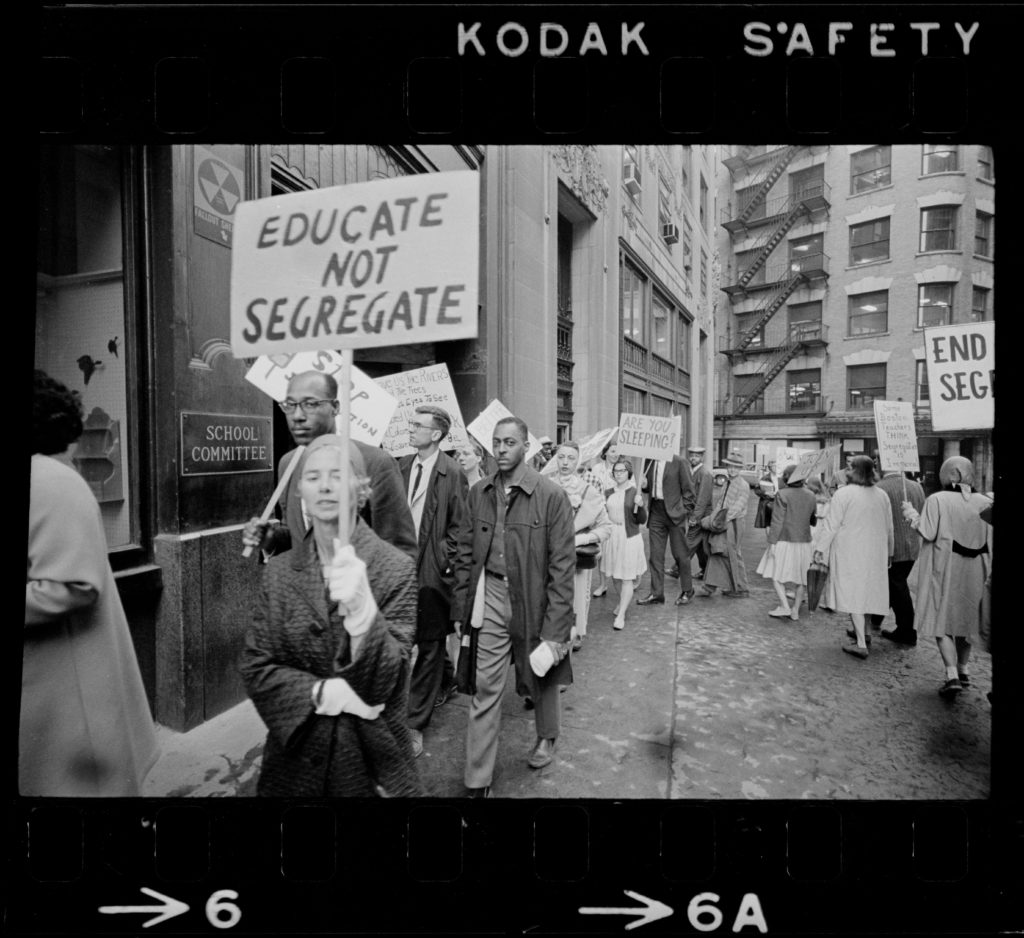
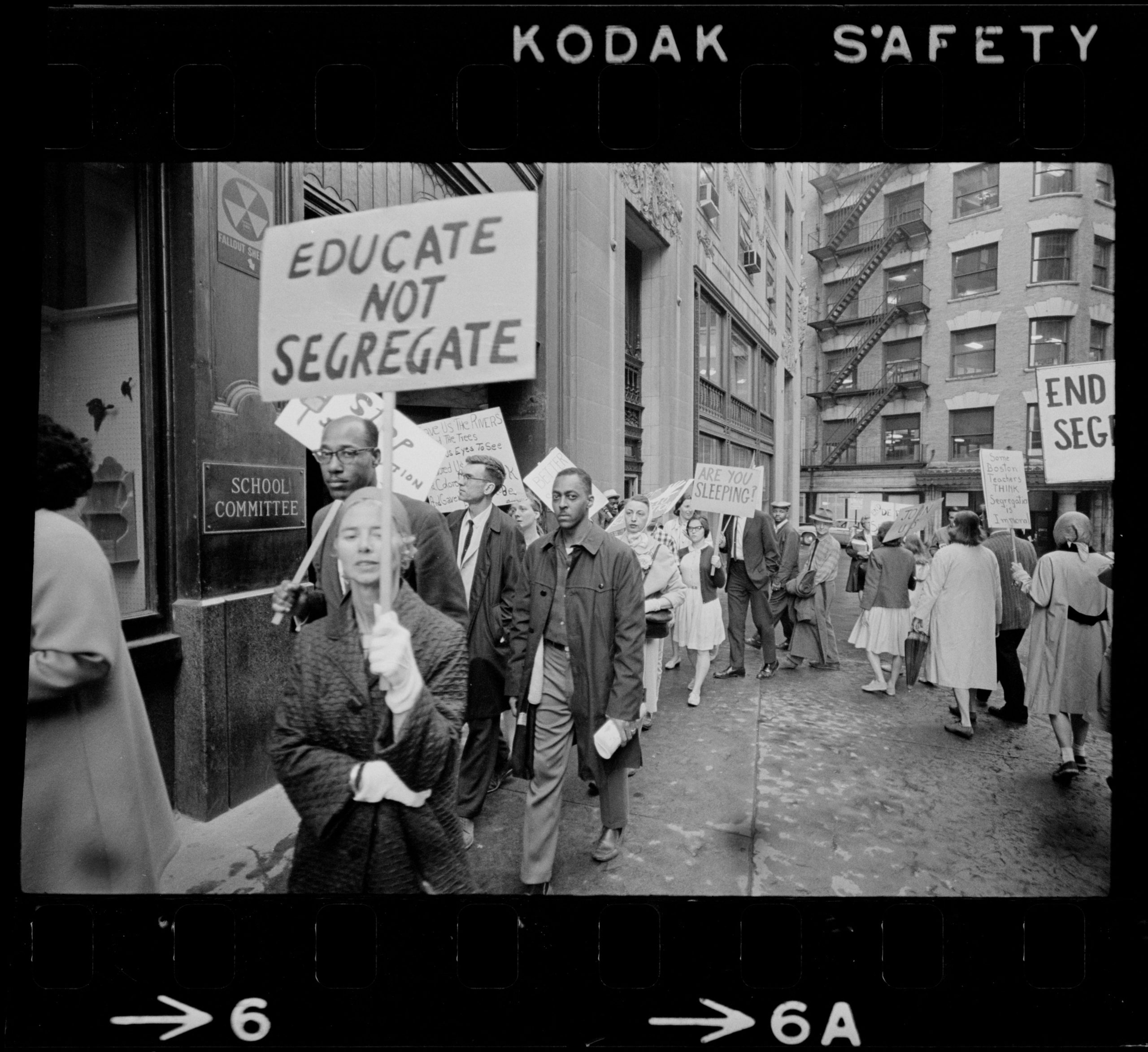
In independent schools, Black and Latinx students make up only 6.5 percent and 5.3 percent of the student population, respectively, according to the National Association of Independent Schools. By contrast, Black students total 15 percent and Latinx students 28 percent of students in public schools, according to The National Center for Education Statistics. Small as they are, these private school numbers show improvement compared to the past. After all, it’s no secret that independent schools have traditionally catered to white, socio-economically privileged students who fled integrated public schools after the Supreme Court ruled against racial segregation in Brown v. Board of Education.
By law, public schools cannot refuse any student who comes through the door, for reasons of color or any other. But the ability of private schools to select the students they want makes diversity a choice and not necessarily a given. In the aftermath of the BLM protests, we’ve seen a deluge of trendy mission statements, admissions, and marketing materials advocating for diversity, equity and inclusion. But real and lasting change requires more than lip service — much more.
“From my experiences (independent private schools) are committed to enacting surface level change when it comes to acceptance of minority students,” says one BIPOC student from Los Angeles, who asked to remain anonymous. “They do enough to make it seem like they’re committed to it. However it’s always up to the BIPOC students to go above and beyond talking to the administration, spending hours planning assemblies that are cancelled, and voicing our complaints just to be ignored.
“I think it’s exhausting how much effort we put into … working to gain more acceptance and to be able to be more comfortable in our place of learning,” the student said, “and our efforts are just rebuked. (The schools) want diversity … but they do nothing to make those students they accept feel safe.”
It’s time to do more. Private schools should create diverse, inclusive learning and social environments where BIPOC students and faculty are not only recruited but welcomed and supported. An inclusive curriculum that honors their history; support systems that anticipate and ease socioeconomic obstacles; and a mindset that values BIPOC students and faculty in every class and every conversation are as important to schools as desks and whiteboards.
To get beyond lip service, a sense of belonging and inclusion must be woven into school culture. Students of color shouldn’t be the only people seeking change; leadership should flow from the top of the school on down. True diversity demands no less; every white family understands that the world is racially and ethnically diverse. Children will be better able to compete if they are educated in an environment that is equitable and inclusive.
From police brutality to presidential politics, many of the adults in our lives have failed us. We know change will happen only if a younger generation steps up. Gen Z is ready for the lip service to stop. In the stories we tell here, we represent the voices of teens of every color, gender and belief. They may not have had a chance to speak out.
But we did.

Related Posts