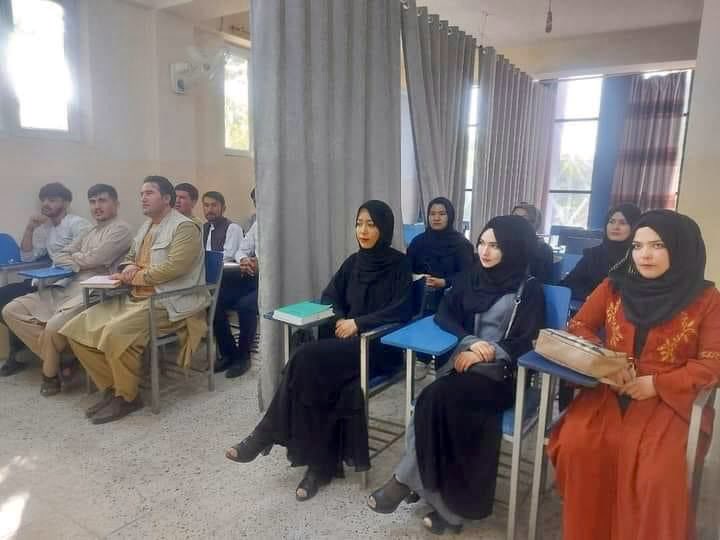
They’ve gone dark: Afghans who helped the U.S. military, trained as American-style journalists and rode the wave of women heading to higher education are destroying the diplomas, transcripts and résumés that prove how they built civil society in the country that the U.S. has left behind.
Doing “something we’re proud of” — how athletes are kicking social change forward by using their voices off the field
By Devon Lee
Newsroom by the Bay Now
PALO ALTO, California — Young people are making their voices heard more than ever, sparking the ongoing battle for social change.
However, when athletes decide to speak up, they are often met with criticism from their teams, schools and even people who love the game as much as they do. Fans can be the first to protest when athletes express opinions about subjects other than sports. According to Forbes, 60% of fans do not agree that pro-athletes should use their platforms to promote political issues.
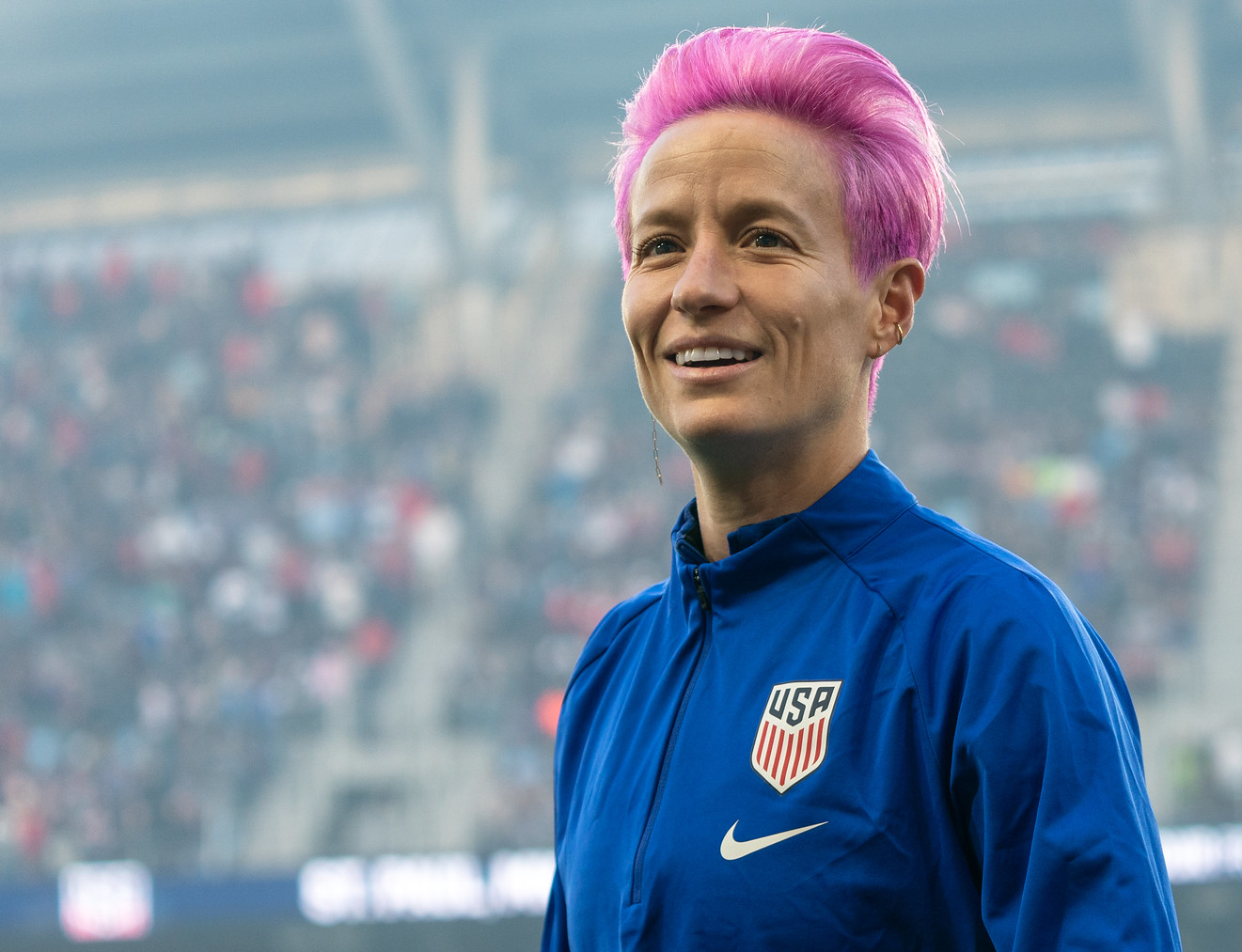
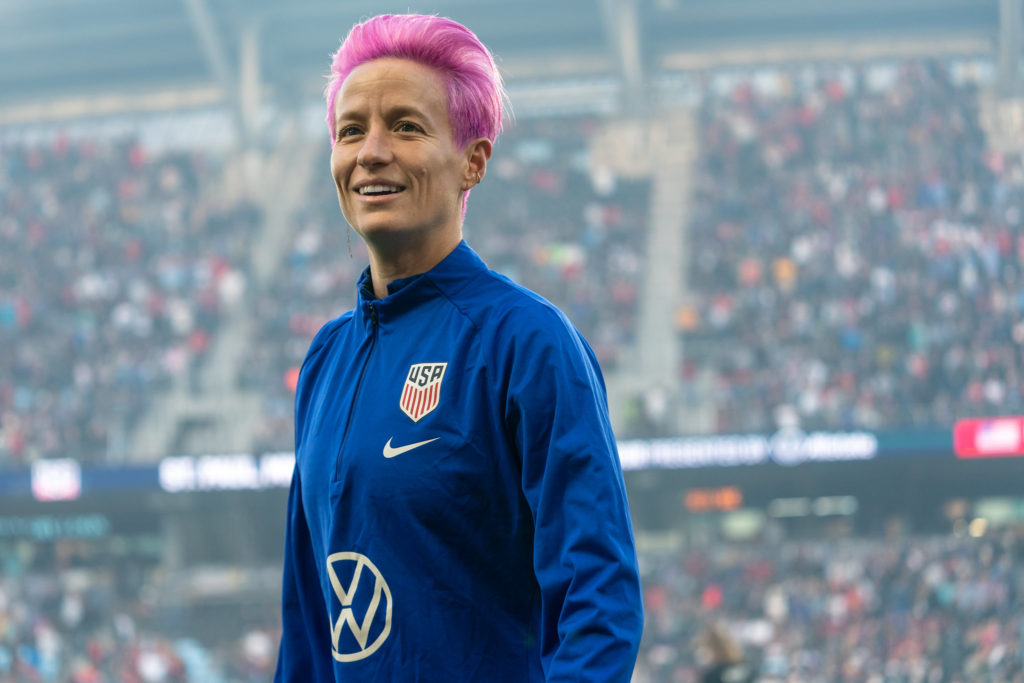
While professional athletes such as Colin Kaepernick, LeBron James and Megan Rapinoe dominate the social and political circuit of the sports world, amateur and student athletes have started to make noise. For some high school athletes, using their platform as players can serve as a way to elevate their voices.
“In a school environment with such young students who are unable to vote or make other decisions in politics, it’s hard,” said Calvin Cai, captain of the wrestling team at Henry M. Gunn High School in Palo Alto, California. “A lot of the things (athletes) can do can be symbolic. For example, my wrestling team took part in a challenge where we would run 8.46 miles for the eight minutes that the (Minneapolis police officer Derek Chauvin’s) knee was on George Floyd. We posted it on Instagram Stories because it shows something we’re proud of.”
Although many have criticized the political nature of leagues such as the NBA and NFL, Gunn football coach Jason Miller believes that politics and sports can coexist.
“I think that sports is recreation and, in our recreation, we should be allowed to express ourselves,” Miller said. “It’s something that we’re all volunteering to do.”
Professional and youth sports are important to each other, and what one type of athlete does often has an impact on others. This is why Miller hopes professional athletes can serve as role models for his players.
“I get frustrated because their behavior trickles down to our level. If a famous athlete is selfish, an (student) athlete is selfish,” he said.
In Miller’s view, athletes offer the most proactive form of social advocacy simply in the choices they make, from what they do on the field and how they interact with fans to where they go to school. Choosing a school or program is one example.
Recently, many top high school prospects have committed to historically Black colleges and universities in the South instead of traditional collegiate powerhouses such as Clemson University and the University of Alabama. Miller believes that these kinds of moves could play a large role in distinguishing the schools in support of athletes’ beliefs, like the Black Lives Matter movement.
“Until the athletes organize and start making those choices, there’s not much that’s going to go on,” Miller said.
At the college level, the scale of activism is larger but subject to more scrutiny. According to Jeffrey Pratt, who plays soccer for Emerson College in Boston, college athletes are given more freedom to express themselves.
“In high school, you’re focused on doing whatever you can to help your team win. In college, you can focus on being more of an individual,” Pratt said. “Personally, my soccer team was very active in support of the BLM movement, making T-shirts and posting about it publicly.”
Pratt believes that athletes should be allowed to take a stand for what they believe in. “I think most college athletes are invested in social activism and using their platform to spread awareness about social issues,” he said. “If you have a platform and you don’t use it to spread awareness about things you believe in, it’s a waste.”

Related Posts