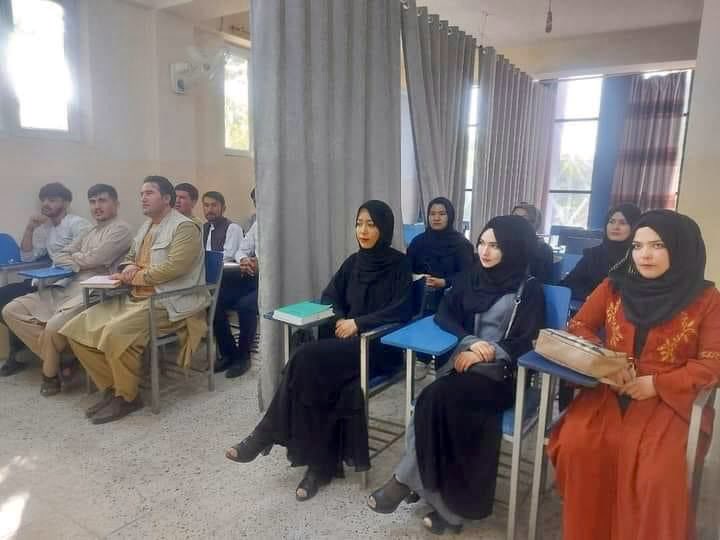
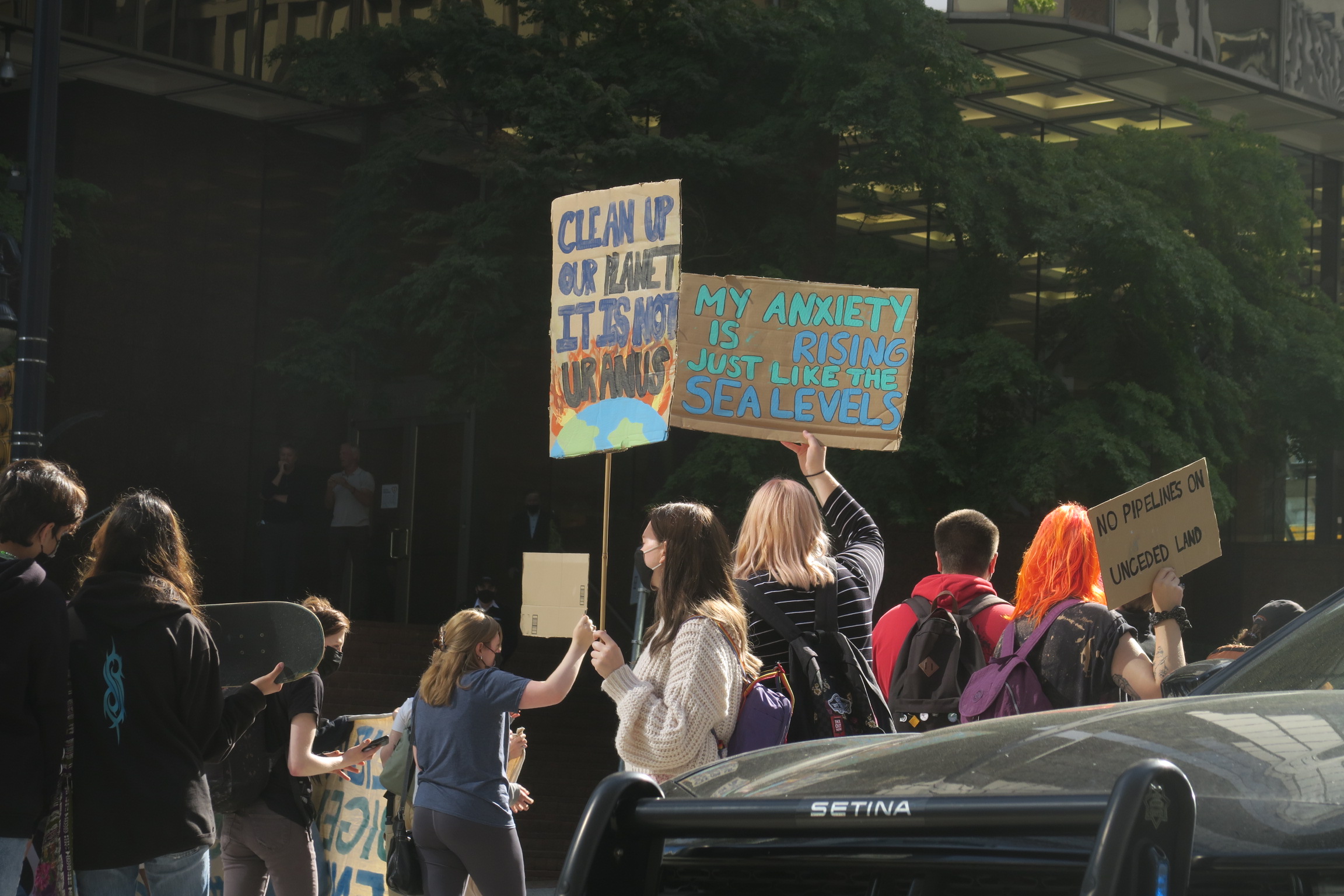
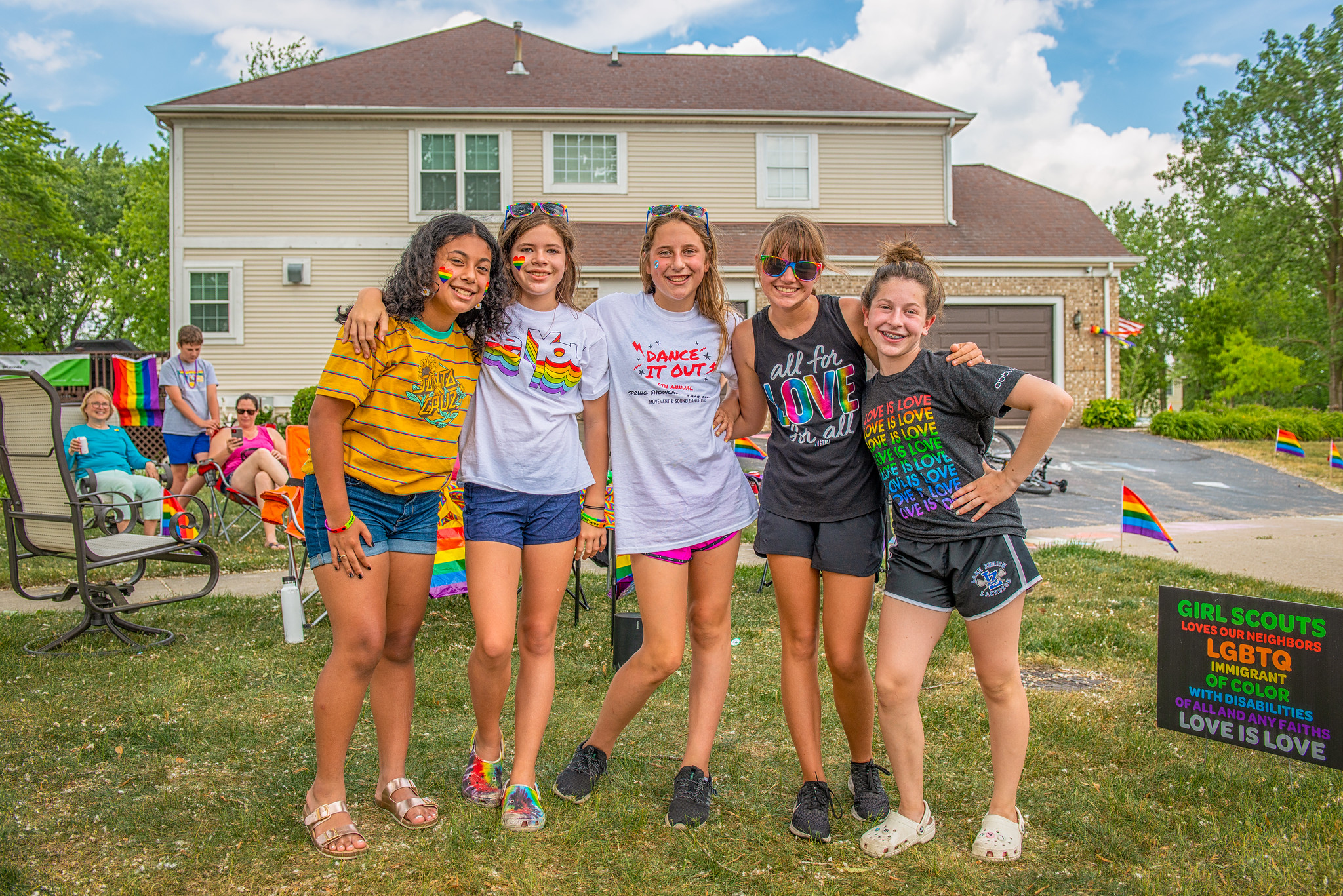
They’ve gone dark: Afghans who helped the U.S. military, trained as American-style journalists and rode the wave of women heading to higher education are destroying the diplomas, transcripts and résumés that prove how they built civil society in the country that the U.S. has left behind.
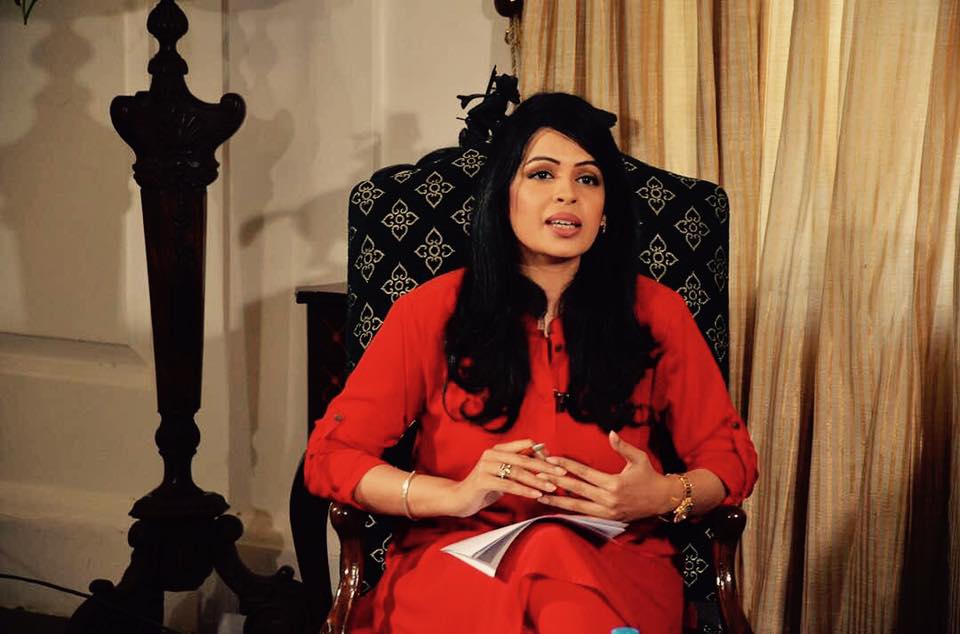
“Let me try” — pioneering journalist Najia Ashar shares backstory of becoming a broadcaster in Pakistan
By Marwa Chohan, Newsroom By the Bay

ALBUQUERQUE, New Mexico — For Najia Ashar, journalism is personal.
While on her way to school on Oct. 9, 2012, 15-year-old Malala Yousafzai was shot in the head by the Taliban in Swat Valley, Pakistan. Ashar, then a senior anchor/producer for Geo News, was the first to tell the story that would grab the headlines and cause global outcry over the plight of girls worldwide who simply want an education.
“It felt very personal,” said Ashar. She had interviewed Yousafzai seven months before the incident. “The most memorable event of my life while broadcasting was the day when Malala was shot because I broke that story.”
While this moment would become one of the most defining moments of her career, Ashar, 41, did not begin her education with the intention of becoming a journalist. But today, she is one of the most recognizable media personalities in Pakistan.
Born in Qasba Colony, a neighborhood located in Karachi, Pakistan, Ashar fought for her education. Where she lived, it was not customary for children, especially girls, to go to school.
“By the time I realized that this area (Qasba Colony) was not the world, I decided to get an education,” said Ashar. “It was difficult at the time because I was a girl and even the boys didn’t go to school. My father told me, ‘If you want to go outside, it is not easy.’ And I said, ‘Let me try.’”
Ashar faced challenges not only in school but also in her hometown. Growing up, Ashar witnessed the Qasba Colony massacre, an ethnic clash that occurred between the Pashtun and Muhajir/Bihari settlements. As a survivor of the massacre, Ashar said, “I witnessed many boys who were shot at and they died on the spot.”
“I saw domestic violence around me. I saw men who were throwing petrol on their wives. I saw women who were burned. I saw young boys who were killed by other people. I saw many, many deaths. I saw corpses on the road. I saw people attack us and several houses were burned and we were in my house,” Ashar recalled.
“When you grow up in that kind of situation, you don’t know what you’re going to do,” Ashar added. School was one answer: “I just wanted to seek knowledge.”
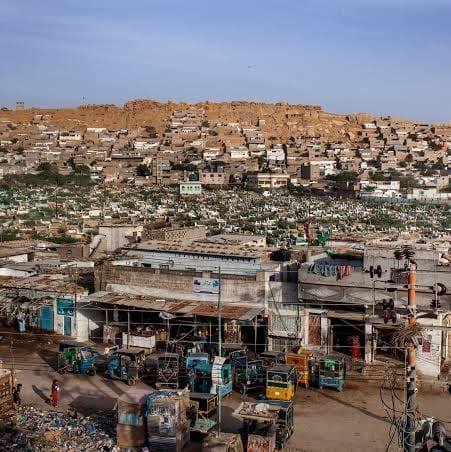
But it was not easy. Her government-funded school lacked furniture, books or even teachers. “When I started going to school, we didn’t have furniture in the classrooms. We used to sit on the floor, and it wasn’t even a floor, it was just dust and (ground). Most of the time, there weren’t any teachers,” Ashar said.
Yet Ashar became the first girl from her town to go to college. She was accepted by the University of Karachi and graduated with honors, earning a Bachelors of Arts degree in 1999 and a Master’s of Arts degree in 2000, both in international relations.
Initially, “I didn’t know what journalism was and I didn’t have any idea that I would join journalism,” Ashar said. “I just wanted to read. I just wanted to write. I just wanted to study.” By the time she left university, however, her interest in the media had been sparked.
“I didn’t know I was going to join media but it became my mission,” Ashar said. “But we had only one state channel, Pakistan Television Corporation, which didn’t offer many opportunities for women to go into the field.”

After working at PTV for eight months, in 2003 Ashar joined Geo News, the first privately held news organization in Pakistan. The field was just beginning to grow. Since then, Ashar has been a part of multiple news programs and organizations, including “News Hour With Najia” on Aaj Television, where she was also editor of news strategy and planning.
In 2009, when terrorism reached its height in Pakistan, not surprisingly, Ashar was on the front lines, though she was also becoming increasingly concerned about the quality of news and the conditions for journalists covering it.
“There were many blasts (bombings) and I used to cover them live for eight, nine, 10 hours,” Ashar said. “During this time, we didn’t have any good news, we always used to give bad news because we didn’t have any option.”
Several years later, Ashar had her chance to create change. As a 2015 fellow at the John S. Knight Journalism Fellowship program at Stanford University, she developed safety workshops and training for journalists across Pakistan. Her project eventually became the Global Neighbourhood for Media Innovation, which offers training in digital tools, leadership and security and safety for journalists. She is also founder and CEO of Media Baithak, a space where journalists in Pakistan come together for discussions about civil society and free speech, including gender equality.
The state of safety for journalists in Pakistan is something that Ashar worked hard to change. “I lost two of my colleagues at the time when we were facing terrorism in the country. Specifically, the media and journalists were a target for these extremist forces,” Ashar said.
Wali Khan Babar was one of these colleagues. While reporting on ethnic clashes in the Liaquatabad area of Karachi, Pakistan, Babar, then 28 and a popular correspondent for GEO Television, was shot and killed. His case became highly publicized with calls for his killers to be brought to justice.
Staying safe while reporting is a major concern for journalists across Pakistan. “There have been many journalists who have been killed for reporting or just publishing their stories. When it comes to training, there are two segments to it,” Ashar said. “One is safety and security when you provide them security physically. The other thing is, when you are reporting something, what words are you going to choose that make you safe and secure? You are covering a story but you also have to make sure that you will not be hurt by that story.”
Broadcasting, where anchors must conceal their emotions when reporting on a very personal story, is especially challenging. For Ashar, this proved true when she was the first to receive the news that Malala, whom she had interviewed, had been shot in the head, only to be giving the same news moments later.
“Whenever you are in front of the camera, you don’t express your feelings, you don’t express what is happening inside you,” Ashar said. “You just give the news but sometimes, we are unable to control our emotions.”
Juggling the personal and the professional is a job requirement, yet over the years Ashar has also seen opportunities for others grow.
“Working in broadcast, there is fame and you always live in the limelight,” she said. As private media grew in Pakistan, anchors became celebrities, leading many youths studying journalism to become anchors.
“When we are talking about digital media, everyone is making their own YouTube channels,” Ashar said. “So whether they are writing something, producing good videos or working behind the camera, they are in broadcasting right now.”

Related Posts