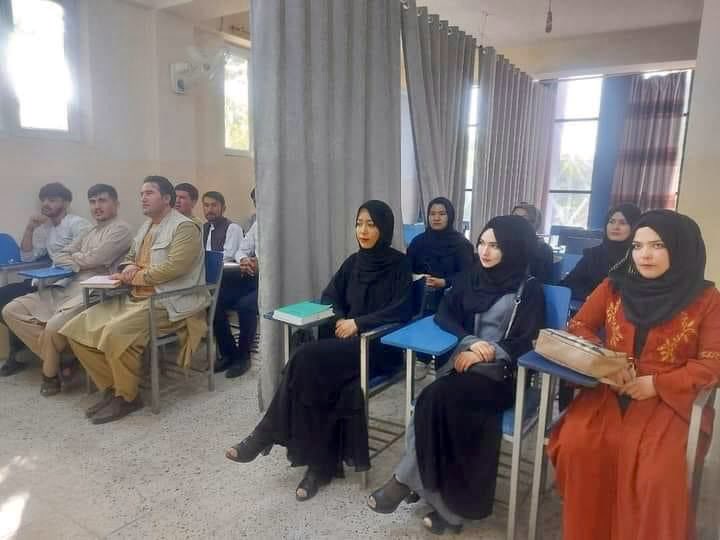
They’ve gone dark: Afghans who helped the U.S. military, trained as American-style journalists and rode the wave of women heading to higher education are destroying the diplomas, transcripts and résumés that prove how they built civil society in the country that the U.S. has left behind.
Mosuo matriarchy: Uncovering how Mosuo men and women share power
By Zhang Yichen, Luo Jie, Shi Jiaxin and Han Cuiyuan
Shenzen College of International Education
Special to Global Student Square
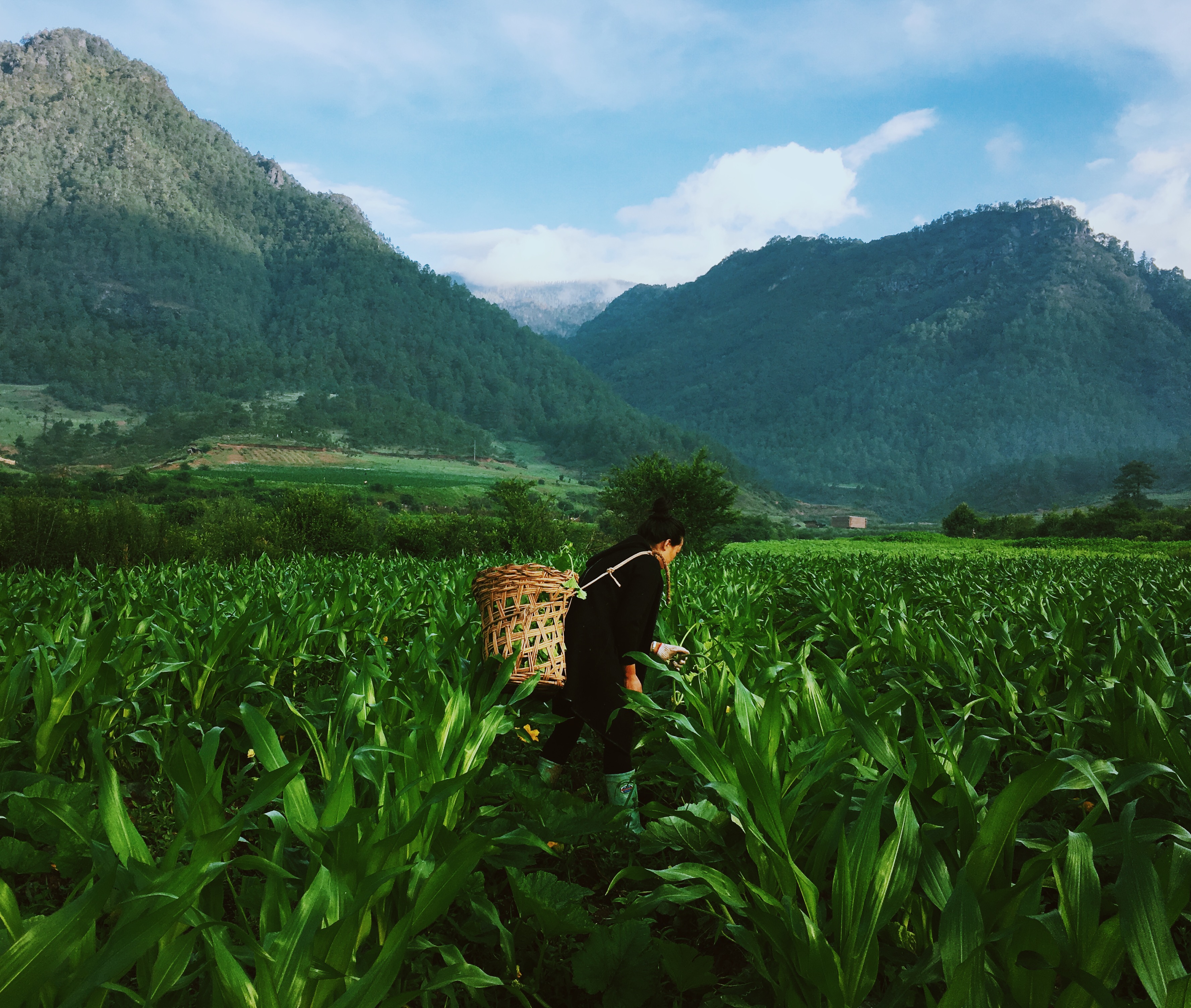
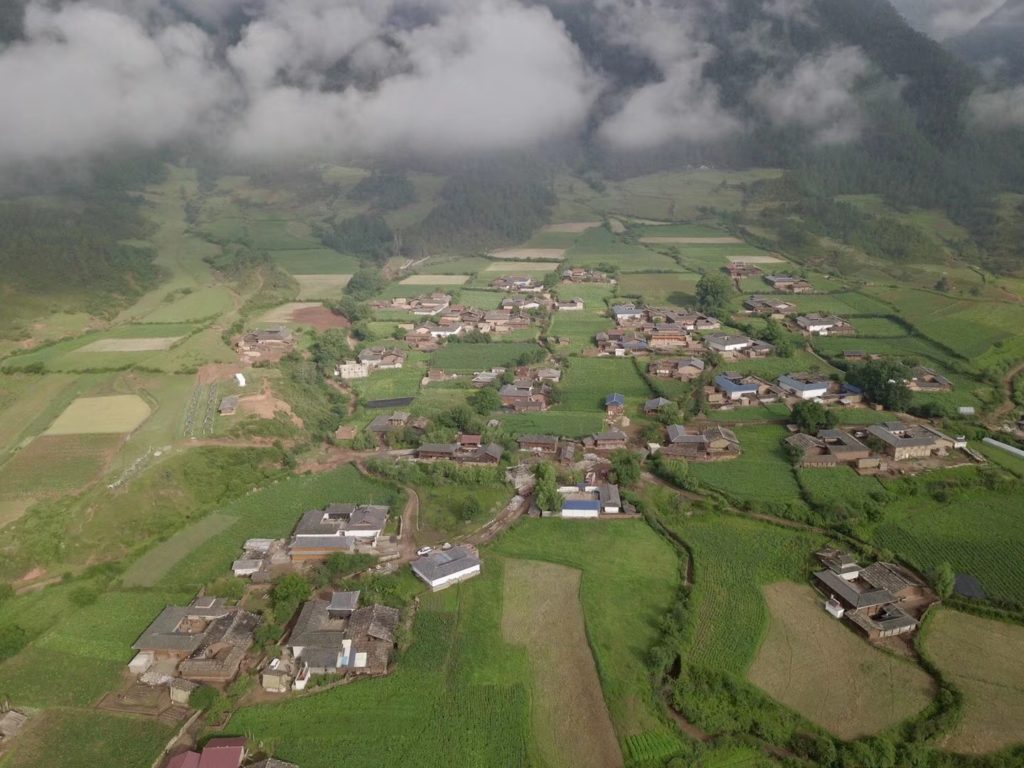
LIJIAZUI, Sichuan Province, China — This hidden village has a timeless beauty as well as a tradition of matriarchy that has earned it the name, “the kingdom of women.”
The peaceful cornfields of Lijiazui reflect a special cooperation in terms of gender: Unlike other women who live in other rural villages in China, women can make important decisions here, including choosing their life partners.
However, the balance of power between men and women may not be as modern as matriarchy suggests.
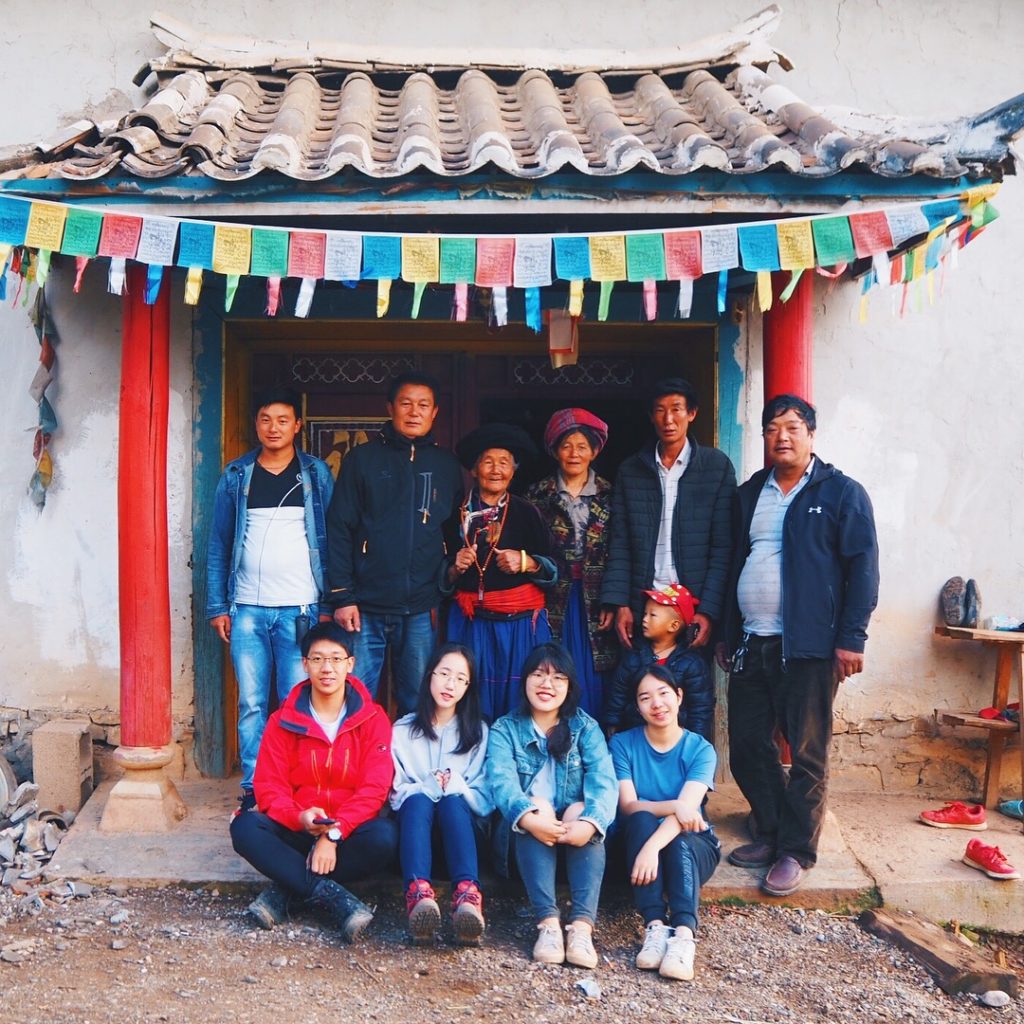
Lijiazui, which has a population of 475 including 52 households, is one of the most traditional of Mosuo villages. We traveled there last summer and stayed with a local family for five days to learn more.
Who are the Mosuo?
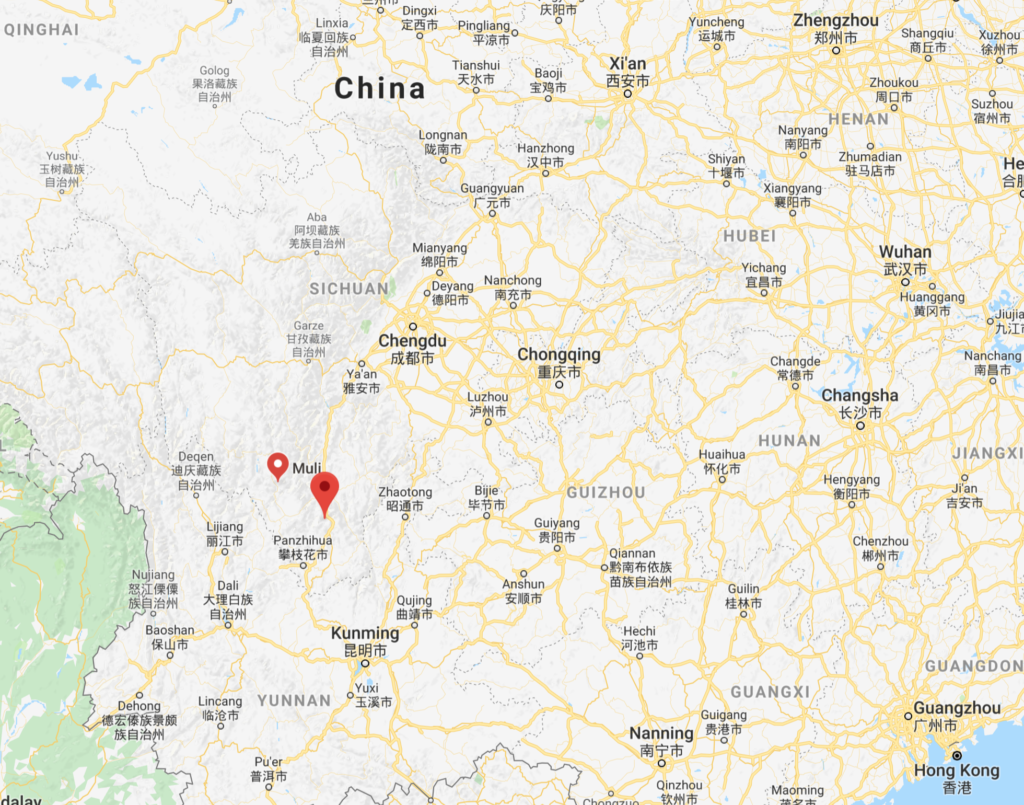
Described in a 2017 book by author Choo Waihong as “the kingdom of women,” the Mosuo are a tribal people who make their home in villages located near Lugu Lake, on the border of Yunnan and Sichuan provinces in southwest China.
The area is popular with tourists, drawn by a tribal community that is one of the last surviving matriarchal societies in the world.
Lijiazui, which has a population of 475 including 52 households, is one of the most traditional of Mosuo villages.
Most Mosuo people endorse a unique marriage style known as “tisese,” or “walking marriage”, which is “non-contractural, non-obligatory and non-exclusive.”
While some criticize Mosuo women as disloyal or even promiscuous, others approve of the greater freedom, power and equality possible for Mosuo women.
There’s more. Among the Mosuo families of Lijiazui, a mother’s name becomes her child’s last name, which means that offspring belong to their mother’s clan.
And the Mosuo do not live in nuclear families; instead, a couple may decide to live with the mother’s family by day, and stay with either the mother’s or the father’s family at night.
Many households number 10 or more. Children are looked after by their mothers, but fathers have responsibility.
Yang Zhuoma, a 28-year-old mother who lives in Liajiang with her three-year-old son, depends on his father to send money from his job in Shangdong province, more than 2,000 kilometers (1,200 miles) away.
But “if our son is sick, my husband will also come and take care of him with me,” she added.
Women’s work, dawn to dusk
Despite “tisese,” Lijiazui is not a utopia for women.
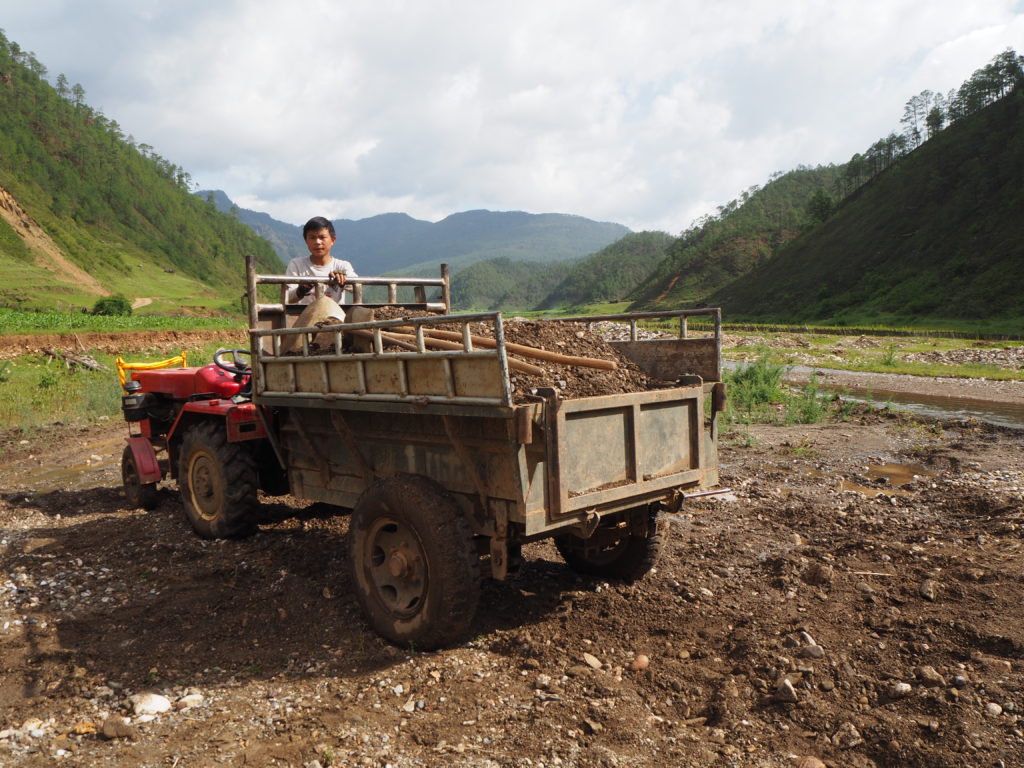
Yang has a heavy burden, caring for her child while working her family’s fields.
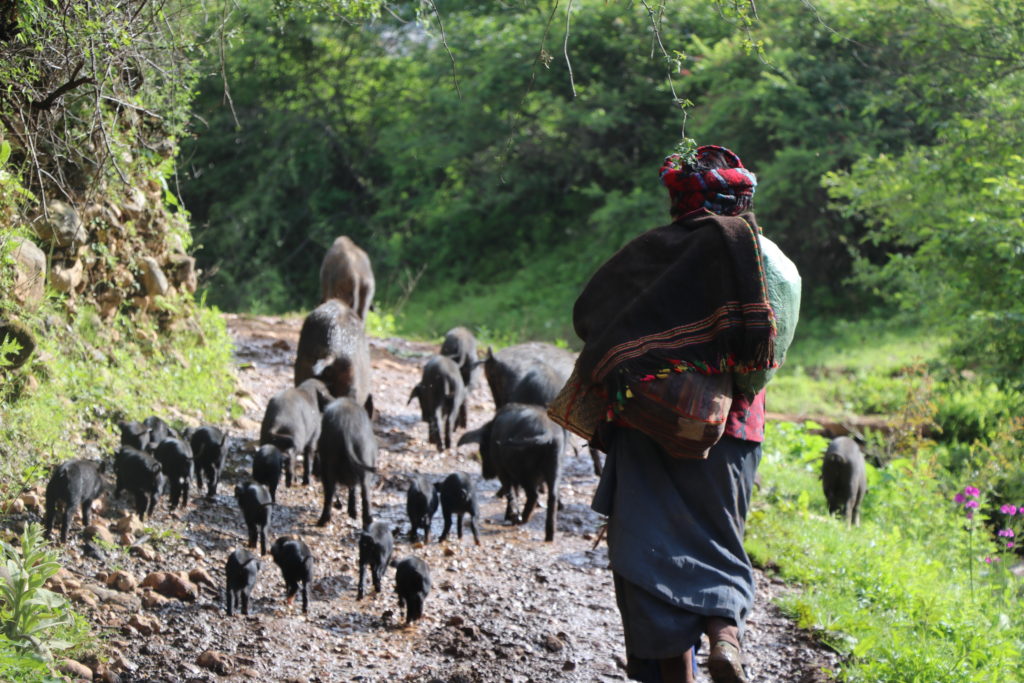
A typical day begins at 6 a.m. Yang plays with her son, then feeds the family’s pigs.
Afterwards, she eats breakfast, prepared by her grandmother. Then, more chores — weeding and tending to the family’s crops, taking her lunch in the field to save time.
At sunset, she returns and cook dinner, a schedule that repeats almost every day.
There are clear differences between what women and men do.
While women work in the fields, they “do not have the strength to build houses,” Yang explained. “At (most), we help with the cement.”
And while men and women plant seeds and harvest crops, “only women are responsible” for tending them as well as pigs and cows.
Boys don’t do housework, such as picking weeds, cooking or feeding livestock, Yang said, acknowledging that “(t)hese are the old traditions from the previous generations.”
If a boy does housework, “others may mock him,” she said. “So they become unwilling.”
Still, there is choice. “No one assigns you to do anything or commands you,” she said. “There is no rule. If you’re interested, you do (the work). If not, no one will force or blame you.”
Mosuo men — still the deciders
That may be true, but Mosuo men continue to make important decisions about family life.
According to Yang Lurong, Zhuoma’s 25-year-old brother, their uncle Ercidaer is the head of the village, helping families manage their money and even overruling older women as long as he takes everyone’s opinions into account.
“(Grandma’s authority is) less than uncle’s,” Lurong said. “My uncle has the biggest influence, but he will also listen to the suggestions from families.
“This is how we solve problems: When having meals, we discuss together, sharing thoughts and finding the most practical idea,” Lurong said. “We tend to rely on my uncle when making the final decision.”
Zhuoma agreed: “We (girls) never think about becoming head of village.”
A dragon boat festival we observed on June 18 showed the Mosuo division of labor, one that seems both traditional and modern.
For the feast, men slaughtered the animals and chopped the meat; women prepared the food. There were card games and water fights, but no commands or complaints.
And everyone — both men and women, boys and girls — cleaned up afterwards.
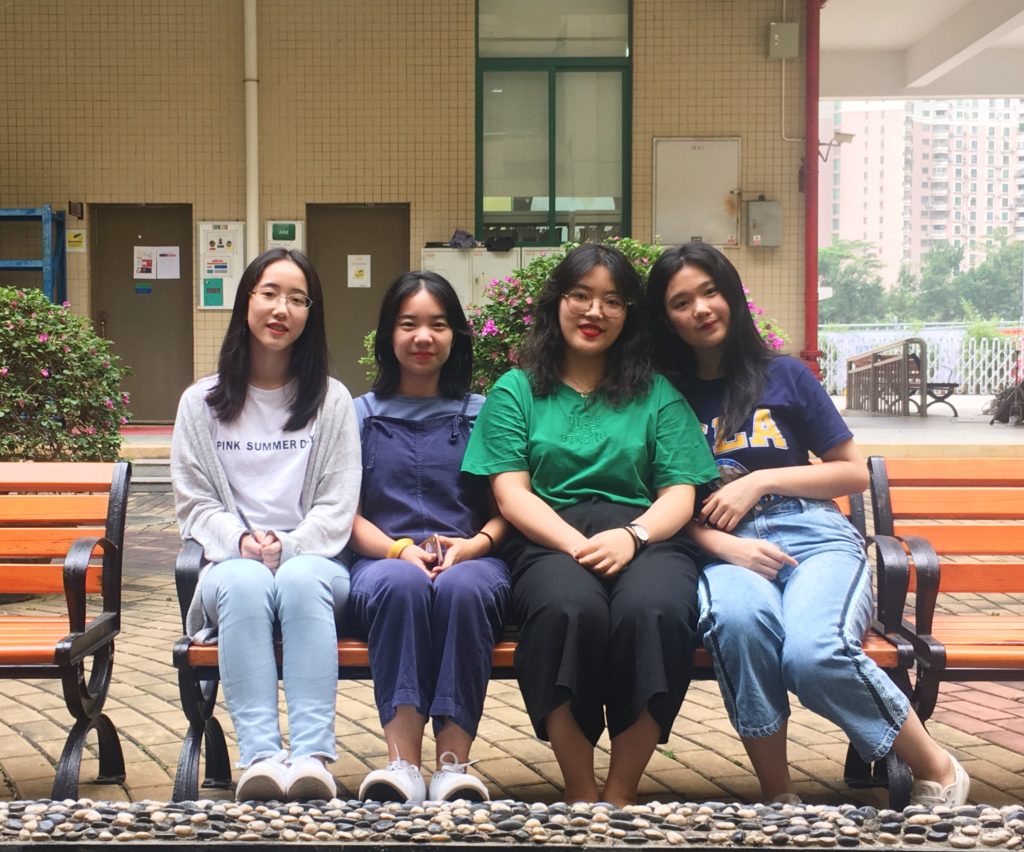
—This story was reported and written by students who participated in JEA China‘s 2018 Youth Observation Contest, where it received a superior rating. It has been edited for publication by Global Student Square and is published with permission.

Related Posts