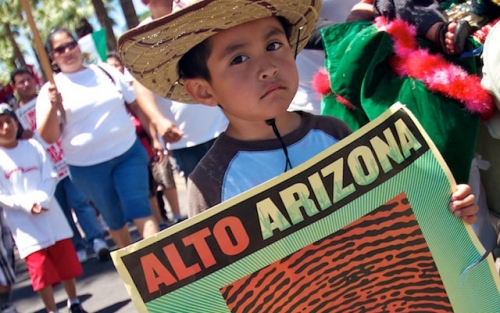
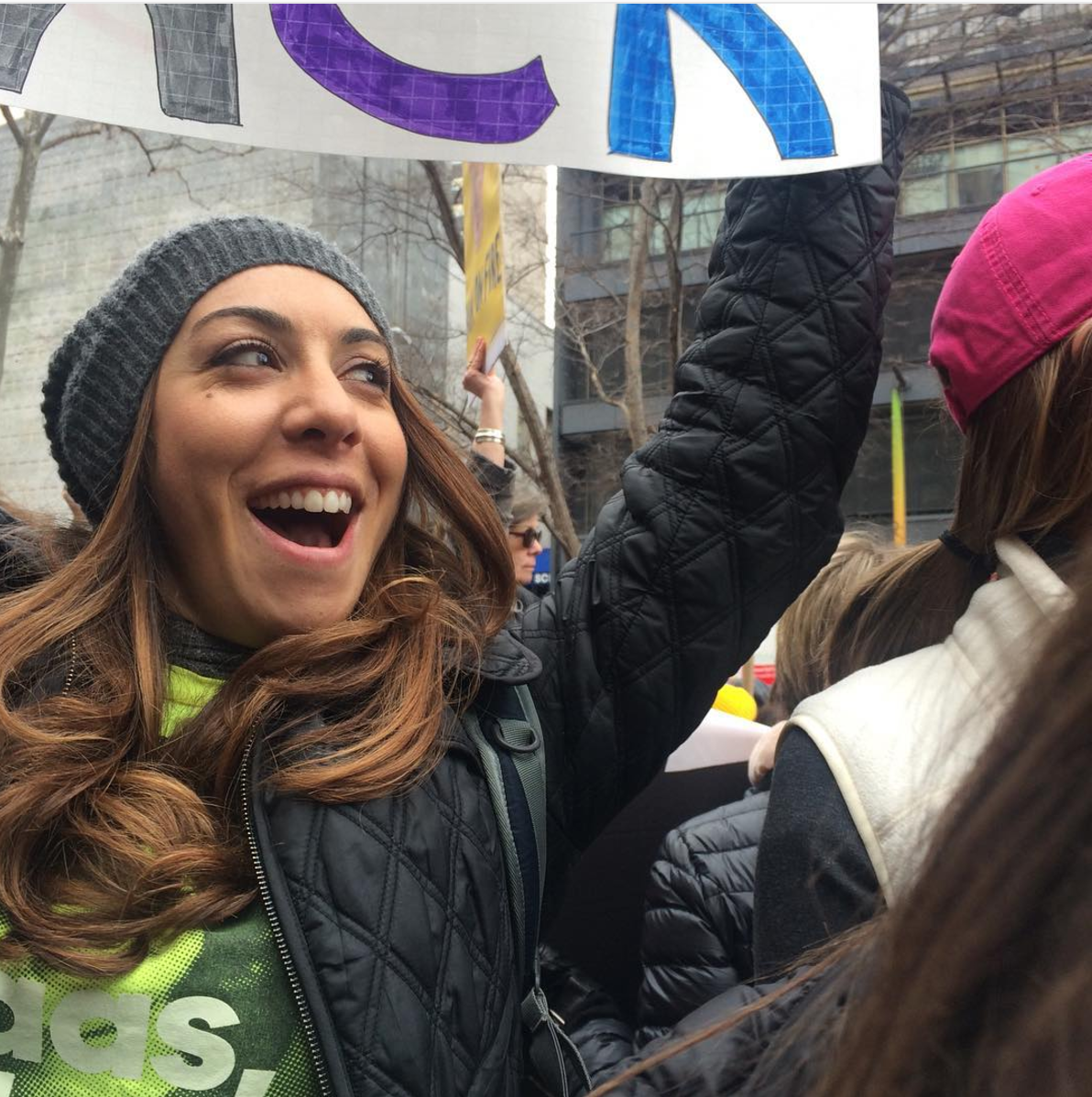
GSS correspondents captured scenes from the Woman's March in Washington, D.C. and sister marches in New York, Paris, Chicago, Eugene, Oregon and even Walla Walla, Washington, on Jan. 21, the day after Donald Trump's inauguration as U.S. president. Here's a sampling of their work.
Not surprisingly, a Stanford study released on Nov. 21 found that most teenagers were not able to distinguish between online opinions/sponsored content and news. This, combined with the scope of false articles that rippled through Facebook in the weeks and months prior to the election, has led some to wonder if fake news directly affected voters’ choices and students’ opinions.
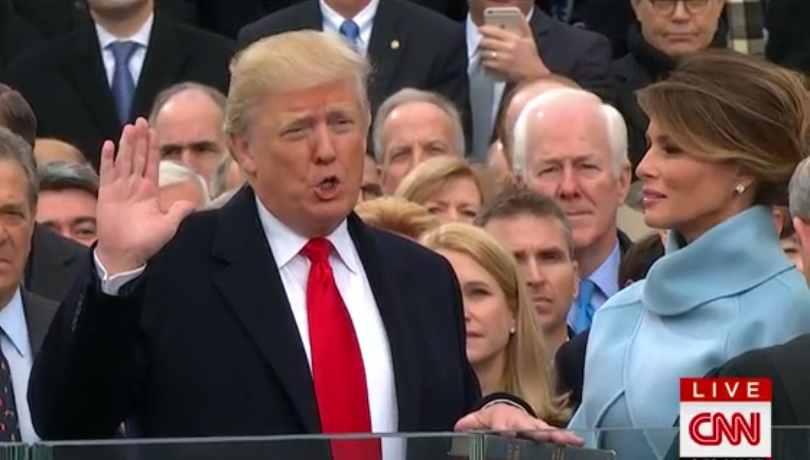
For all of the communities that Donald Trump marginalized, threatened, and scared throughout his campaign, this inauguration day means one thing: The time to seek solutions is now.
But as the presidential election became increasingly important, so did students’ views on immigration, Hispanics, Muslims and even women. If I had done the project another year, the six words in each story would not have resonated with the audience in the same way.
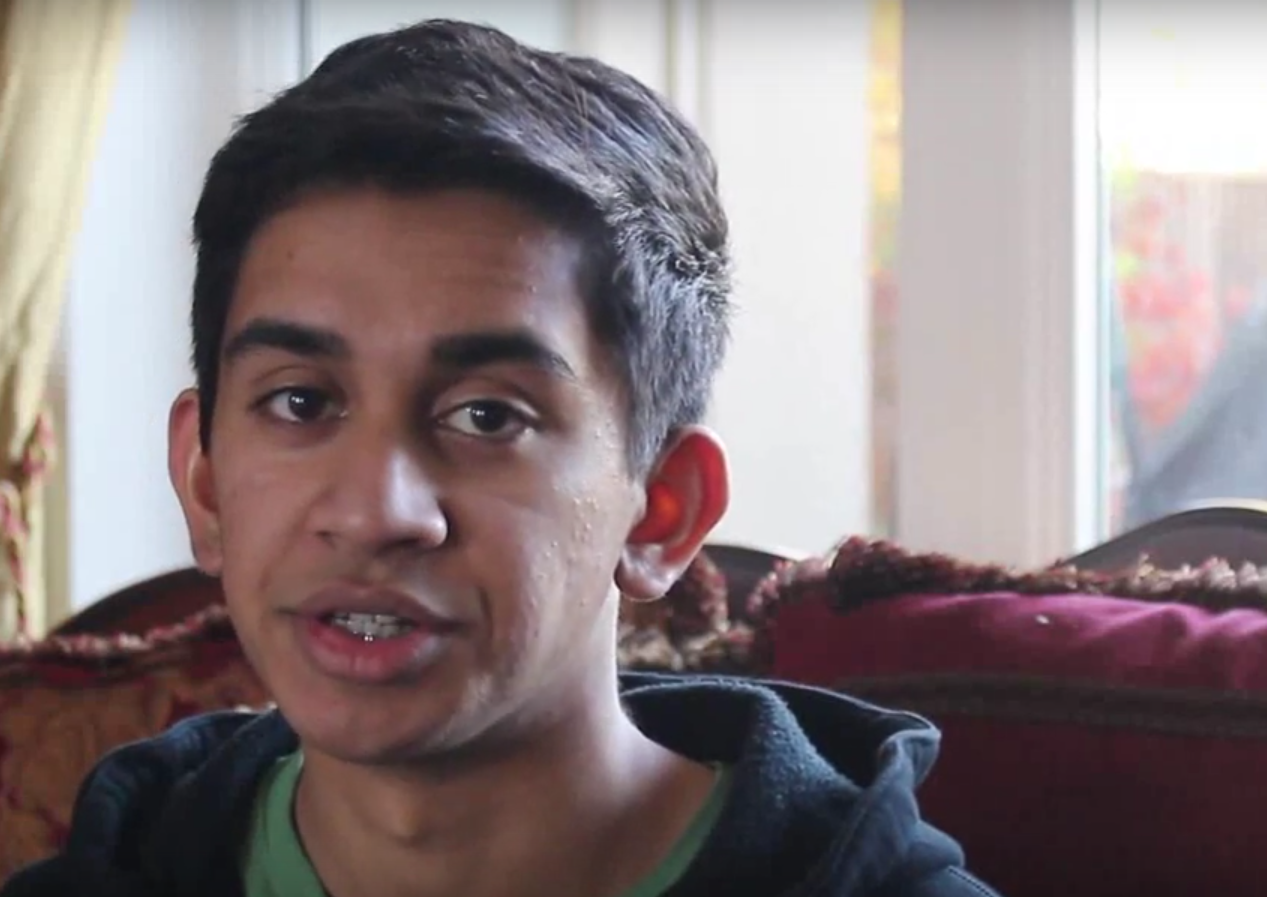
Davis Senior High School student Sheehan Selim talks about his parents' upbringings in Bangladesh and describes stereotypes and misconceptions associated with the country.
Shreya Sudarshana, a freshman at Sacramento City College, talks about her Indian heritage and discusses the problem of affluent parts of India being situated adjacent to impoverished areas.
“This project is really amazing because we are not only covering a global issue, but we are also able to take the individual superpowers and perspectives of every 10th grader and create something great from it,” said Christina Nessim, 15.
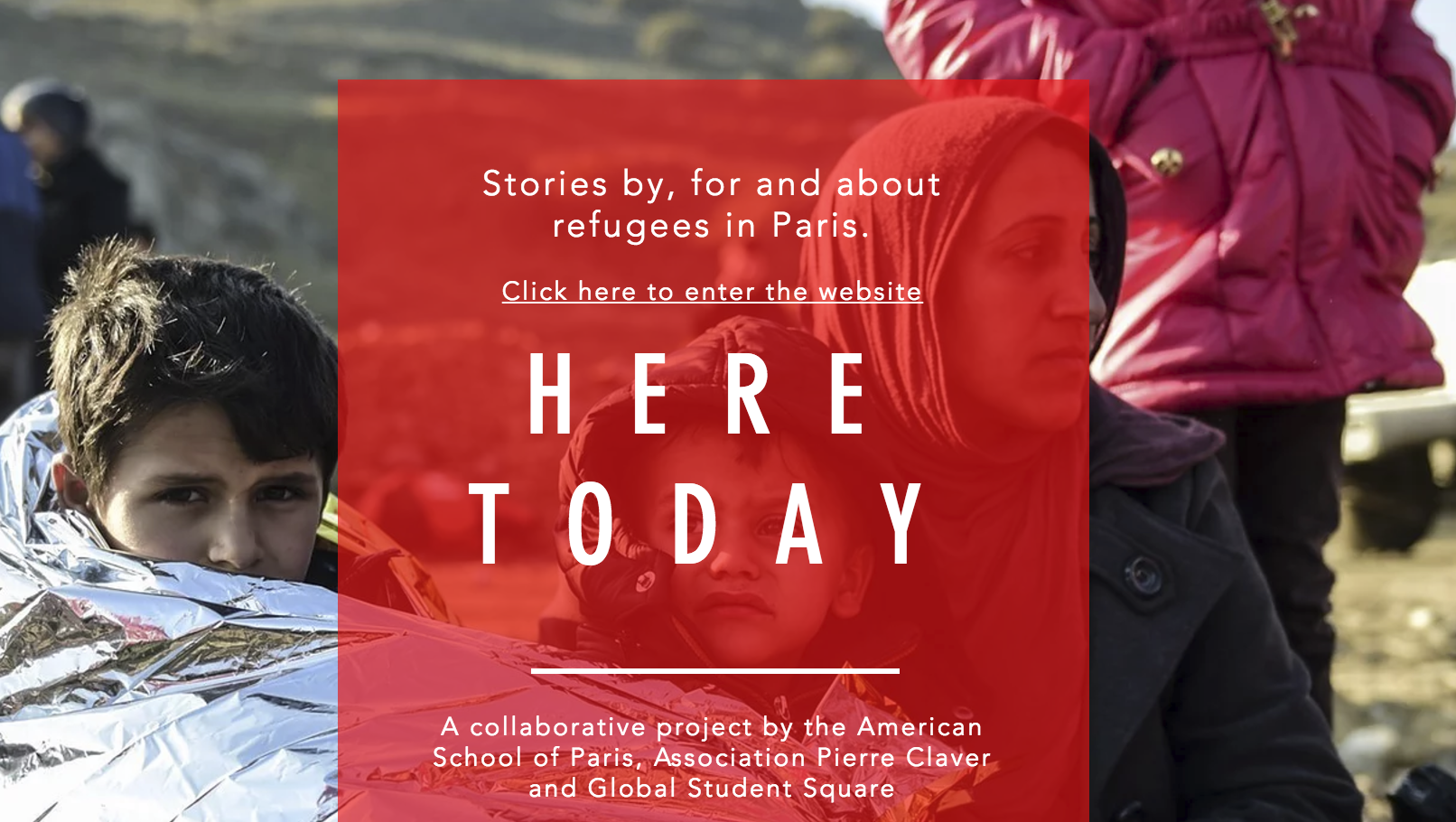
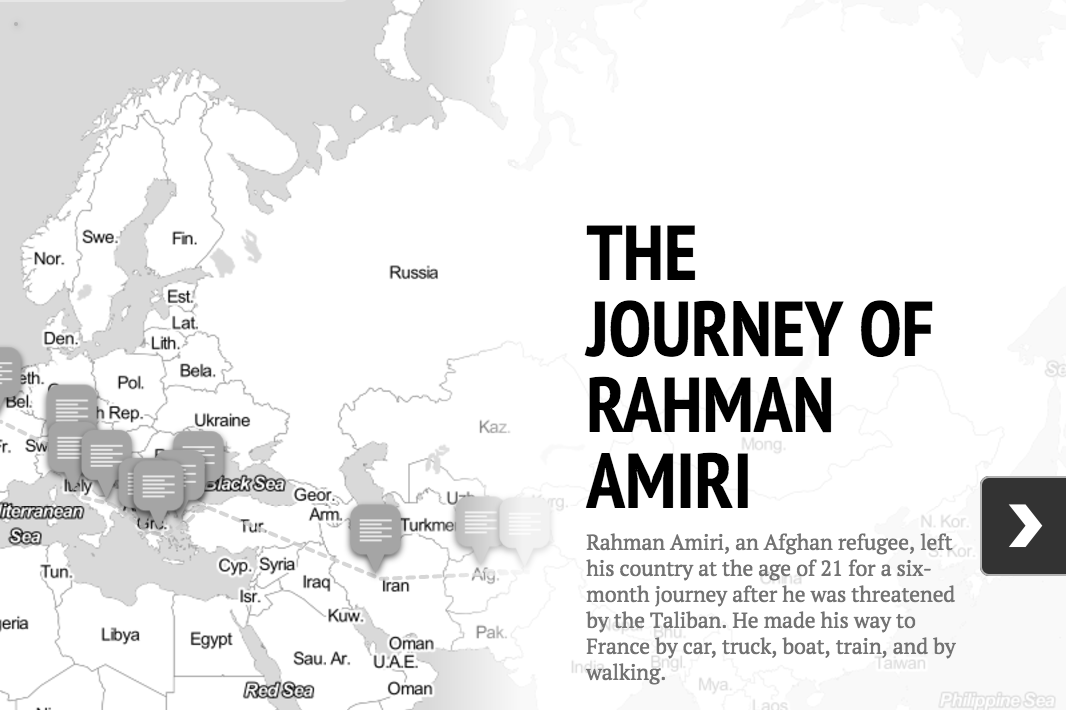
When we read an article about a refugee’s journey, we don’t get the same impression as when we actually talk to the person who took the steps to flee his country for another place.