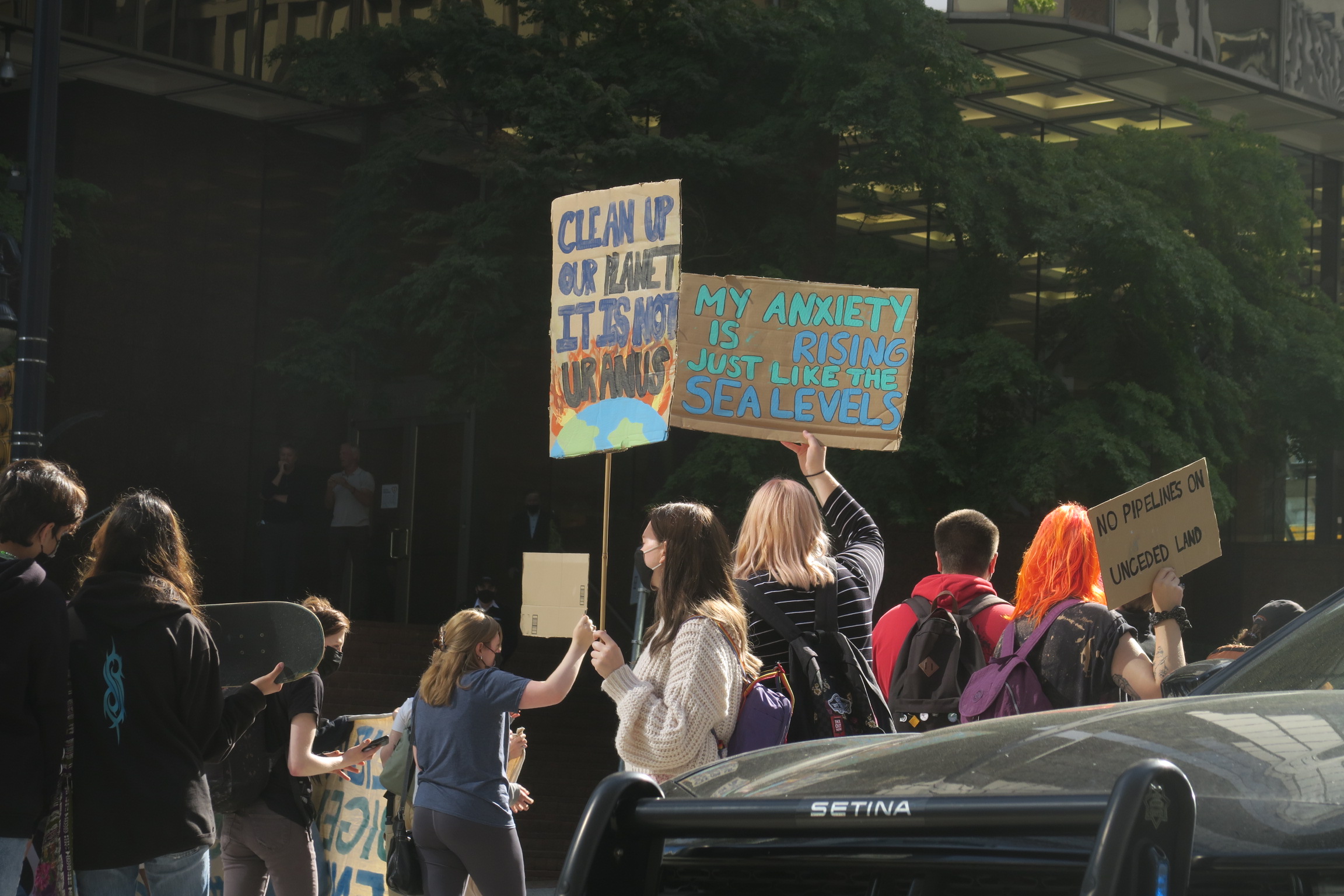
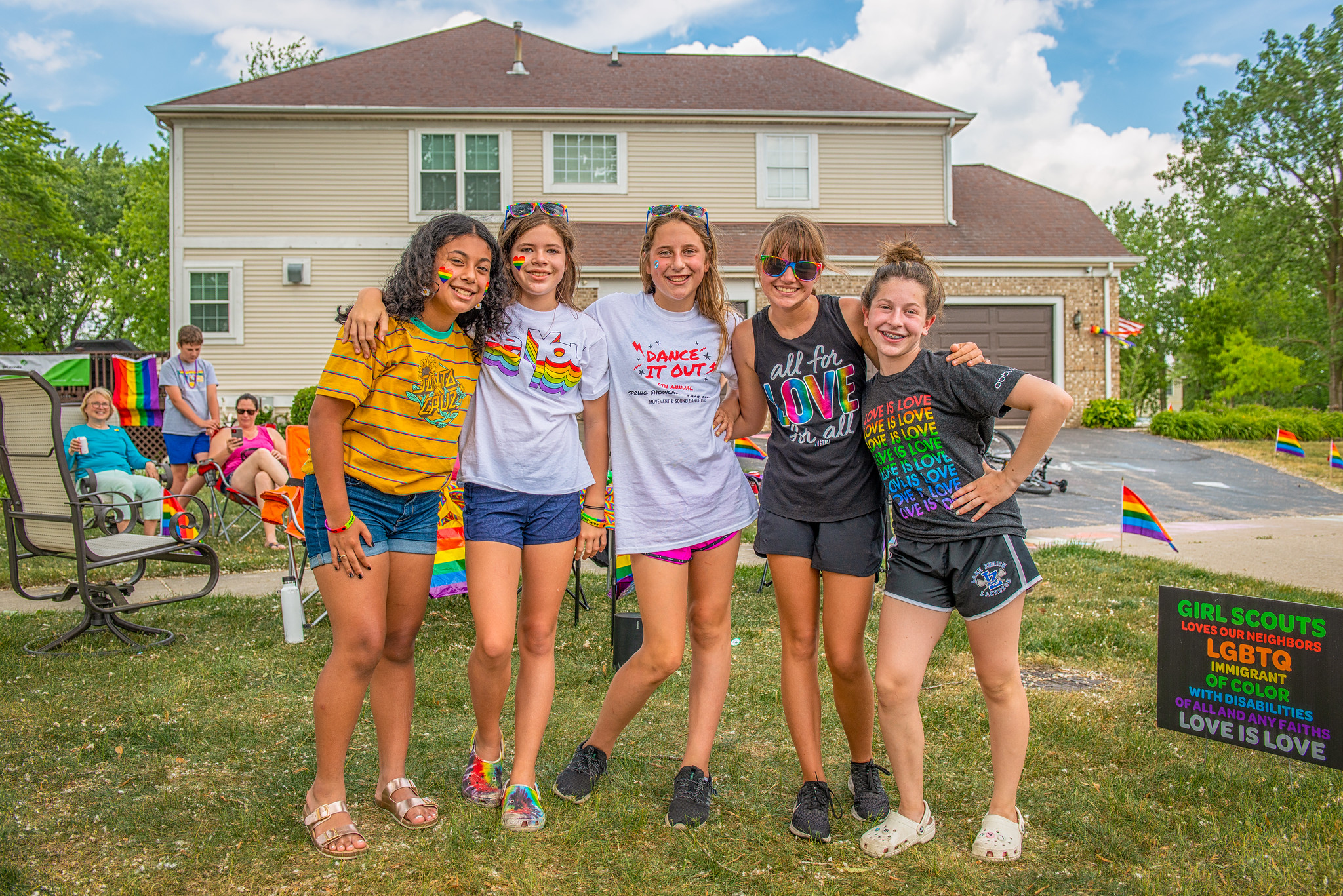
They’re back: Today’s Fridays for Future strike — the first in 18 months — will see youth activists taking to the streets again to push progress on solutions to climate change.
Here’s what you can do to raise awareness and seek solutions where you are.
March For Our Lives: Reporter’s Notebook
Editor’s note: In all of the rush to publish the news of the day, sometimes we don’t linger on the scenes, sounds and even smells that our reporters experience as they go about the work of reporting from the field, especially on a day that included hundreds of thousands of teens packing the National Mall in Washington, Central Park West in New York and in downtown Los Angeles. Now that their work is finished, here’s how some of our reporters felt behind the scenes of the March For Our Lives. —Phillicity Uriarte-Jones
Izzie Ramirez, East Coast editor, New York
The New York city layout isn’t like Washington, D.C., where you can put the March in a big park area. I couldn’t see the stage whatsoever, so when speakers were talking I couldn’t see anything, but there were plenty of audio speakers so I could hear everything. The New York marches are cleaner about police direction whereas D.C. is more of a free for all.
Despite having fewer people than the D.C. march, the New York march felt way more crammed. It was really funny to see people in their fancy Central Park West apartments with their signs, waving at marchers. It wasn’t a really populated area, but we still got to pass two Trump towers so the crowd had a chance to boo.
There weren’t all that many people of color, but there was a lot of diversity in age, from middle schoolers to university students.
Hannah Jannol, correspondent and columnist, Los Angeles
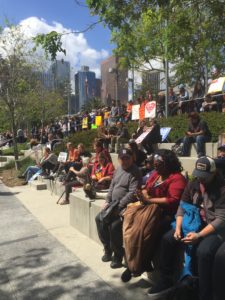
The area downtown where the speakers’ stage was located smelled so good because of the street food. There were a lot of carts and vendors selling hot dogs with SoCal twists — raw onions and hot green and red peppers.
The weather, of course, was perfect. It was about 70 degrees and sunny with a little bit of wind. A lot of the student speakers were from high schools and neighborhoods in east Los Angeles, which is known for having more crime and gun violence and systemic poverty than other parts of the city.
Claire Duncan, correspondent and photographer, Washington, D.C.
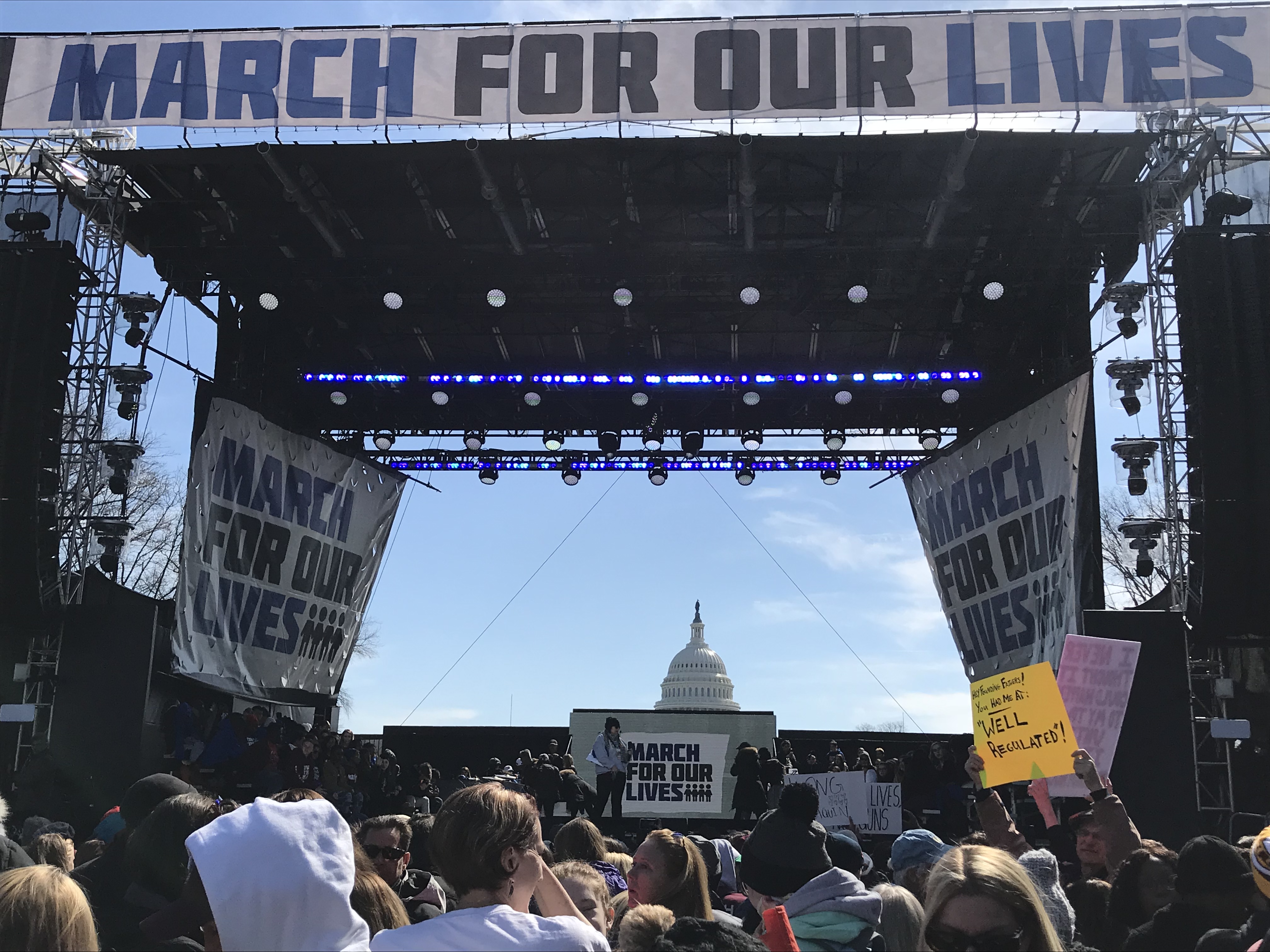
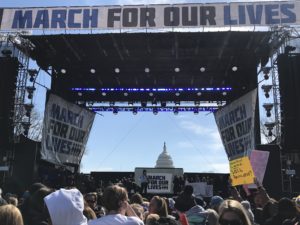
I didn’t actually march at the March for our Lives — instead I listened to the speakers and took photos of the stage, which framed the U.S. Capitol Building in a really cool way. I was there for about an hour before the speeches and performances began, with loud music playing to pump people up. People would start chants such as “vote them out” or “enough is enough.”
The crowd was incredibly diverse and, in my opinion, had a great vibe. People were excited to be there. I stood the entire time, which was about four hours including the waiting time before people began to speak. Some people would occasionally sit down if they got tired. It was packed and there was no elbow room but everyone was calm and polite.

Hannah Shraim, correspondent and columnist, Washington, D.C.
I covered the Women’s March after the Trump inaugural in January 2017 and this march felt different.
March For Our Lives was a very organized event but it was also very raw. Everyone was honest about their experience with gun violence. People shared stories of family members and friends that they would never get back, and these stories had parallels with other stories across the country.
It wasn’t just one area; it was everywhere. Among the rich and poor, across genders, ages, ethnicity, religion. Everyone had a unique experience and people united in their desire for real change now.
Our youth is our future, but our youth is also our now.

Related Posts