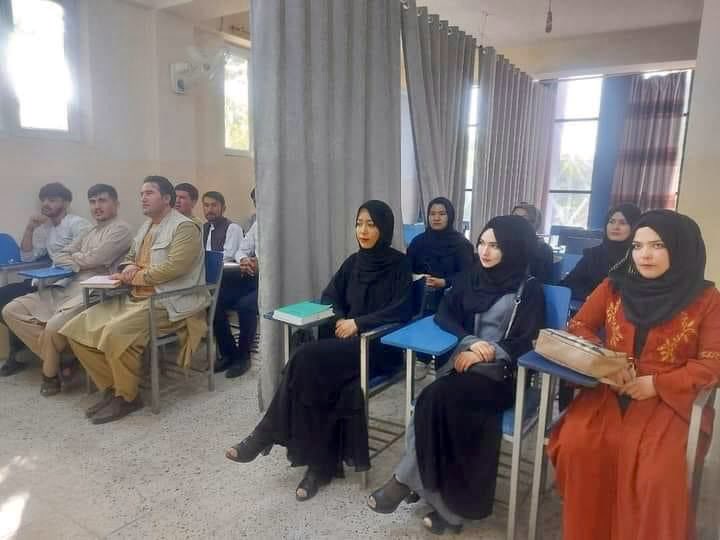
They’ve gone dark: Afghans who helped the U.S. military, trained as American-style journalists and rode the wave of women heading to higher education are destroying the diplomas, transcripts and résumés that prove how they built civil society in the country that the U.S. has left behind.
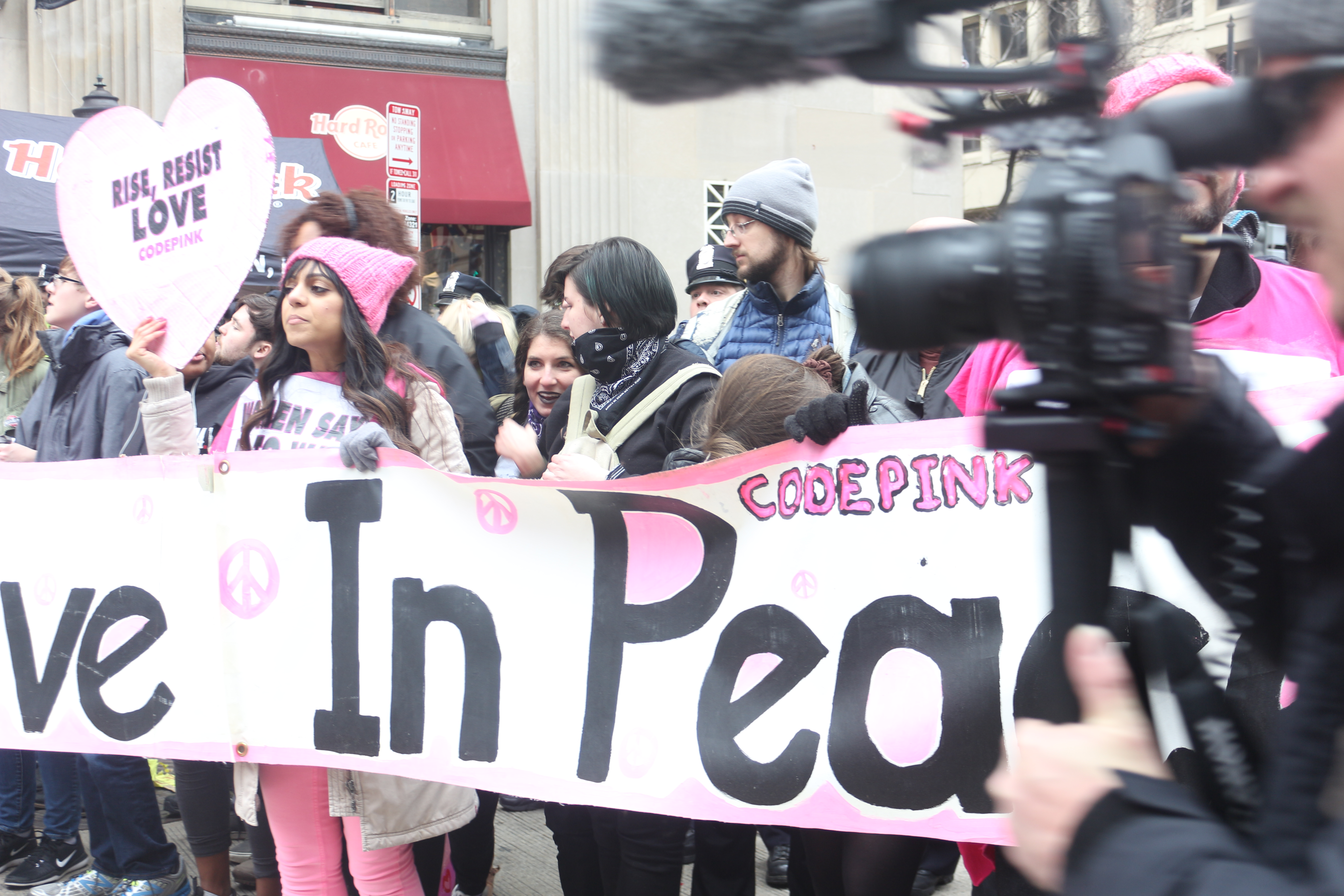
Read this: A citizen journalist’s guide to covering dissent

Today’s National Day of Action is expected to include hundreds of events nationwide, the latest in a series of protests that have been taking place on a weekly and sometimes wildcat basis since Jan. 20, when President Donald Trump was inaugurated.
If you’re covering events like this for the first time as a student or citizen journalist, check out “A Citizen Journalist’s Guide to Covering Dissent,” by GSS executive director Beatrice Motamedi. You’ll find tips on what to bring, how to prep your cellphone, which mobile apps to download, plus hotlines and help on navigating your legal rights.
At today’s #nationalstrike? A citizen journalist’s guide to covering dissent
Beginning with the Women’s March on Jan. 21, every weekend as of this writing has seen protests somewhere in the U.S. as well as overseas, from the March for Life on Jan. 27, demonstrations at U.S. airports Jan. 28 and 29 against Trump’s travel ban, marches in London, Paris and Berlin, Jakarta and Manila on Feb. 4 …
—Logo: Loki Loki Design in Brooklyn, New York released this logo for protesters participating in the National Day of Action to use for their Twitter and other social media profiles.
—Featured photo: Protesters gathered for a march in downtown Washington during the Trump inaugural on Jan. 20, 2017. Photo by Ayla Hakim-Florian of Washington International School/used with permission.

Related Posts