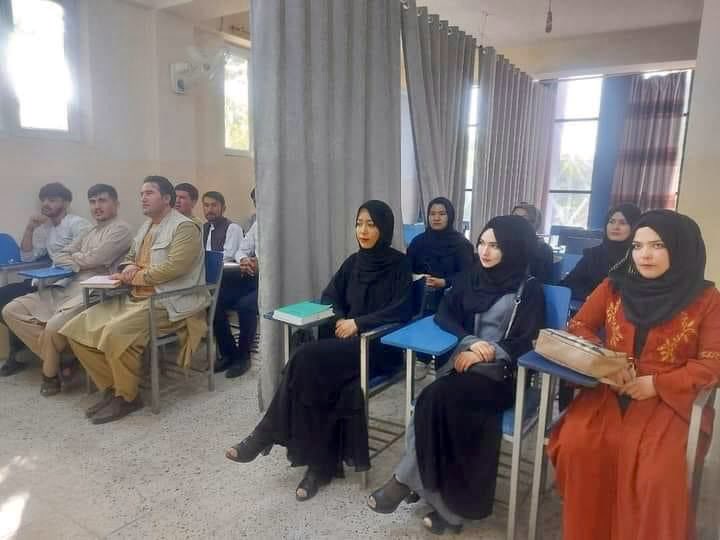
They’ve gone dark: Afghans who helped the U.S. military, trained as American-style journalists and rode the wave of women heading to higher education are destroying the diplomas, transcripts and résumés that prove how they built civil society in the country that the U.S. has left behind.
Appeals court set to rule on restraint of Muslim ban as California student journalists cover impact of “Executive Disorder”
DAVIS, California — With an appeals court set to decide later today on the fate of President Donald Trump’s travel ban on immigration and refugees, students at Davis Senior High School in Davis, California, have produced a package of stories reporting on one week of news in their central California community following Trump’s controversial order just 10 days ago.
“Executive Disorder” traces the week of “turmoil” that resulted in Yolo County, California, after Trump’s executive order, which was signed at approximately 4:30 p.m. EST on Friday, Jan. 27.
The order temporarily banned travel by citizens of seven majority-Muslim countries to the U.S. and halted the U.S. refugee resettlement program.
Within hours, widespread protests erupted at airports and in cities across the U.S. The ACLU, the Council on American Islamic Relations and two states attorneys general (Washington and Minnesota) filed lawsuits, while nearly 100 companies and two former secretaries of state have filed amicus curae (“friend of the court”) briefs also raising objections to the ban.
Responding to the Washington state lawsuit, a federal judge in Seattle on Friday issued a temporary restraining order suspending the ban, a decision that the White House called “outrageous.”
The Trump administration now faces a deadline of 3 p.m. PST today to file briefs with the Ninth Circuit Court of Appeals in San Francisco, which is reviewing the lower court’s ruling.
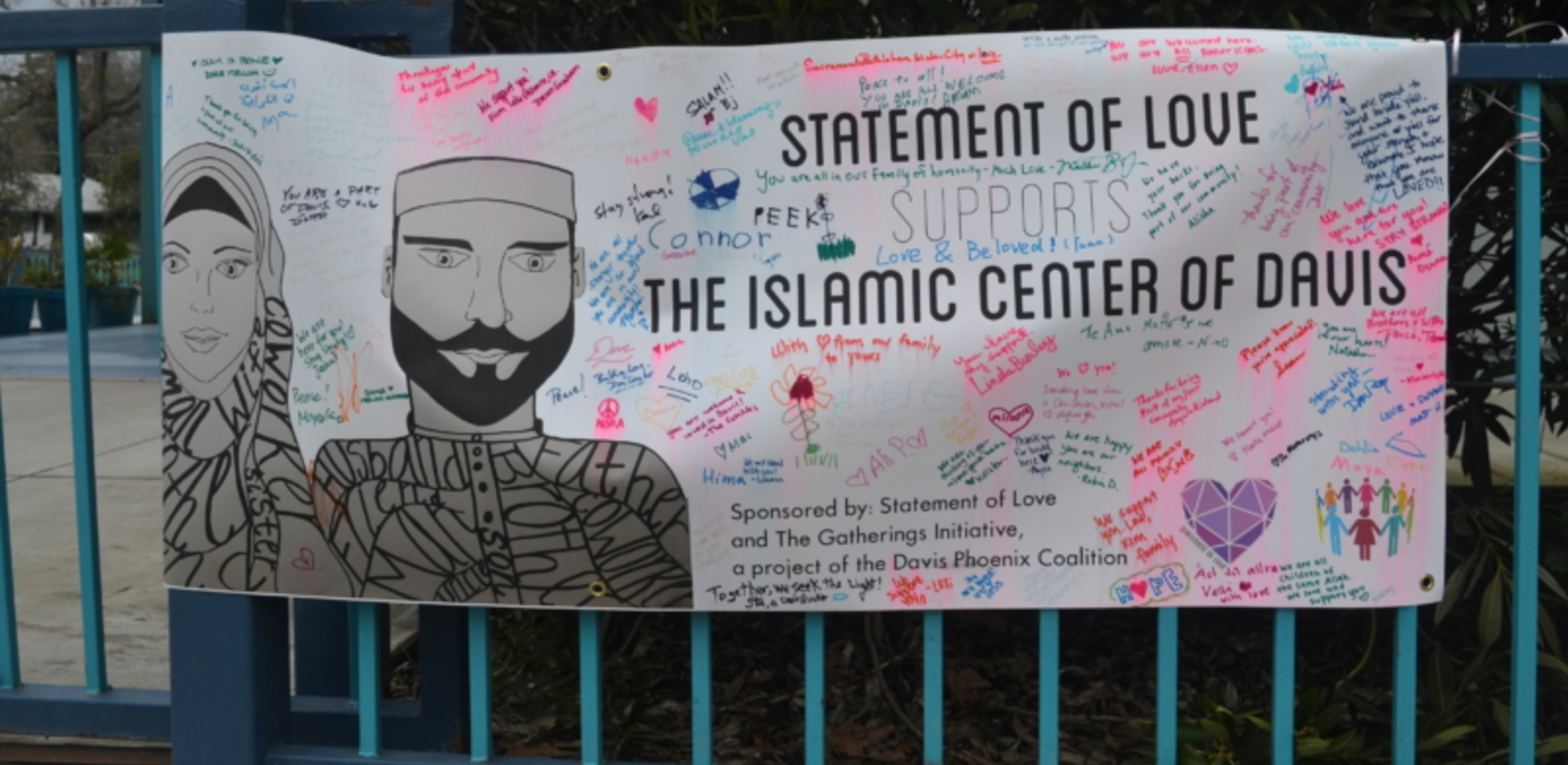
Beginning Friday, Jan. 27, student journalists at the Blue Devil Hub spent the next seven days covering an airport protest in San Francisco, a fundraising drive that raised $22,000 for a local Islamic mosque after it was vandalized on Jan. 22, the story of a Davis High School parent who was refused permission to travel to Iran for her father’s memorial service after the Trump ban went into effect, and a meeting of the local school board to answer questions on “what can schools do to protect their most vulnerable students from a federal government that is targeting them and their families?”
“I talked to different members of the community that I wouldn’t have been exposed to before,” said reporter Willa Moffat, 17. “I learned a lot.”
GSS video editor Meghan Bobrowsky, and Hub reporters Isabella Ainsworth, Denna Changizi and Meseret Carver also were on the reporting team for the project.
Click here to see “Executive Disorder.”
this sign my parents made got stolen. it wasn’t meant to be political they just wanted to keep things around town positive ? pic.twitter.com/azeM9VAugd
— David (@davigree) January 31, 2017

Related Posts