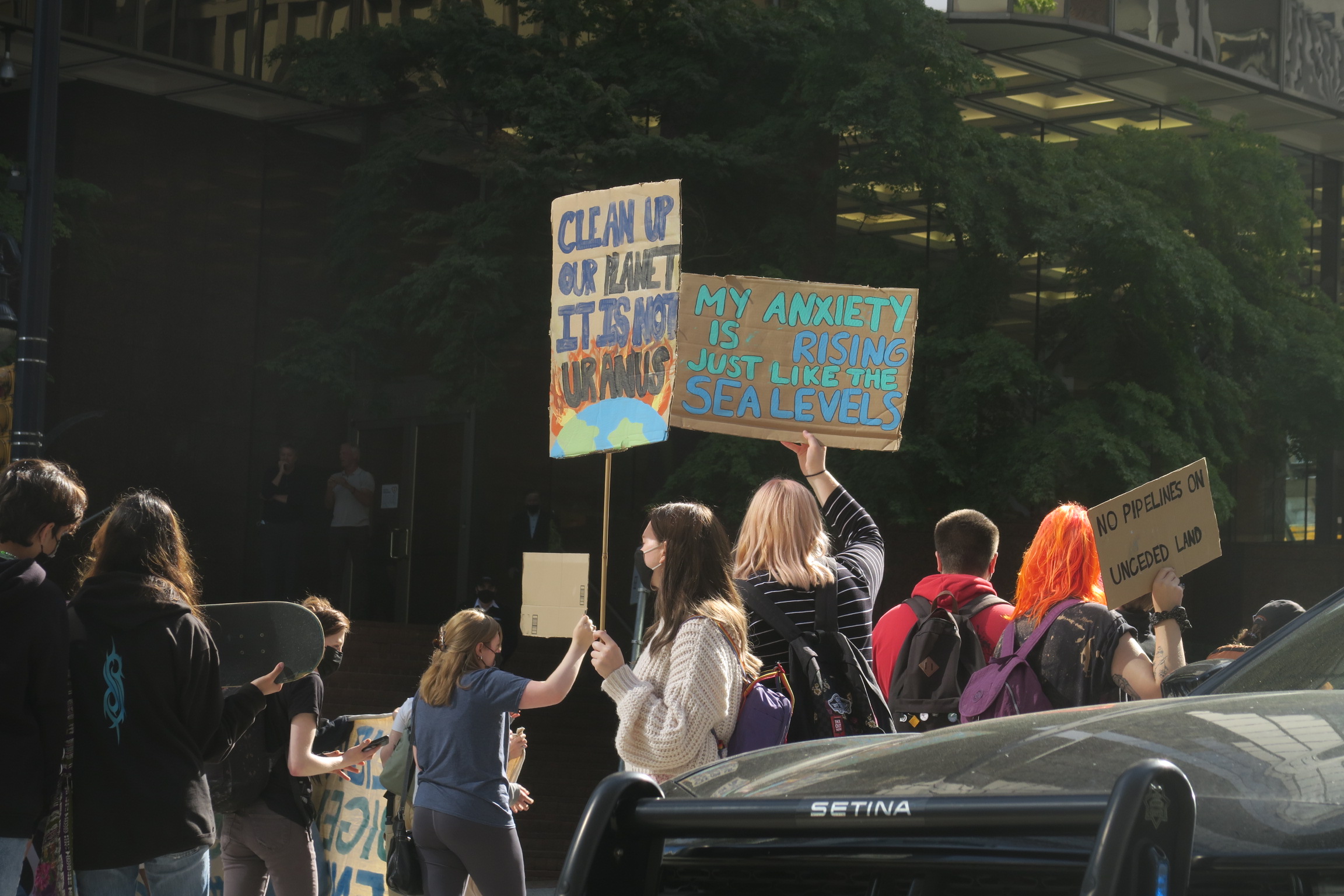
They’re back: Today’s Fridays for Future strike — the first in 18 months — will see youth activists taking to the streets again to push progress on solutions to climate change.
Here’s what you can do to raise awareness and seek solutions where you are.

Korean students battle dreaded “yellow dust” from China
By Irene Kim, GSS correspondent
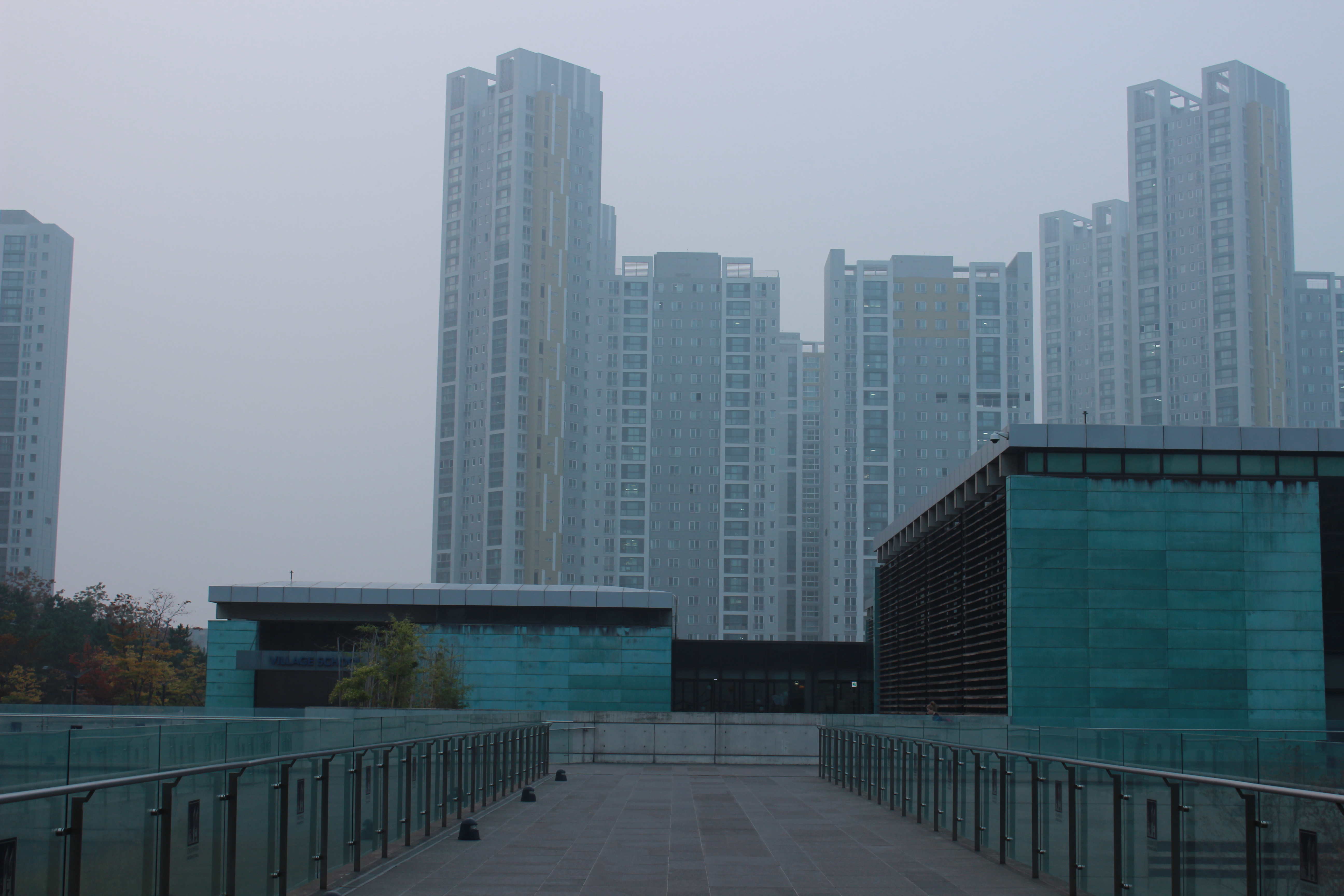
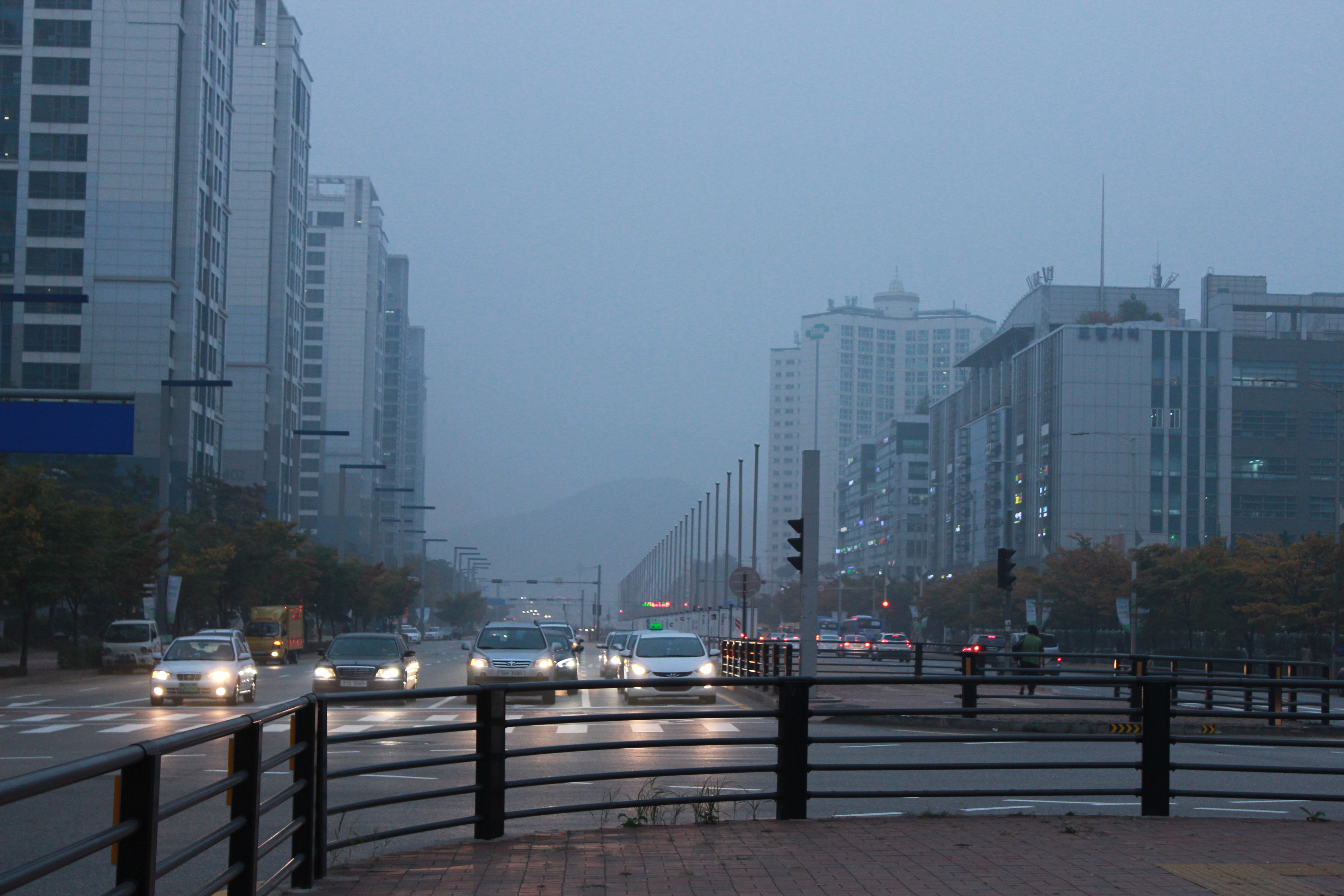
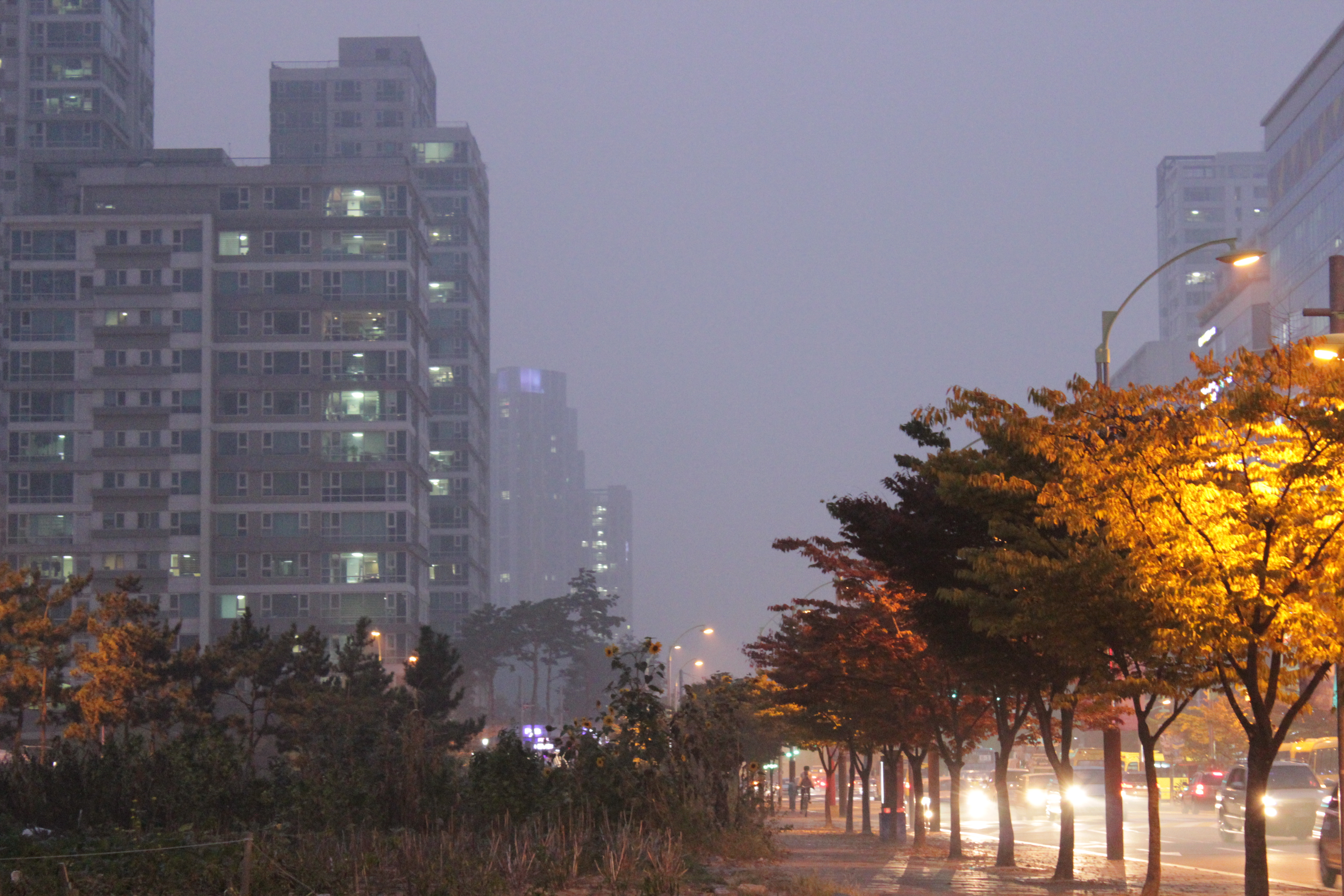
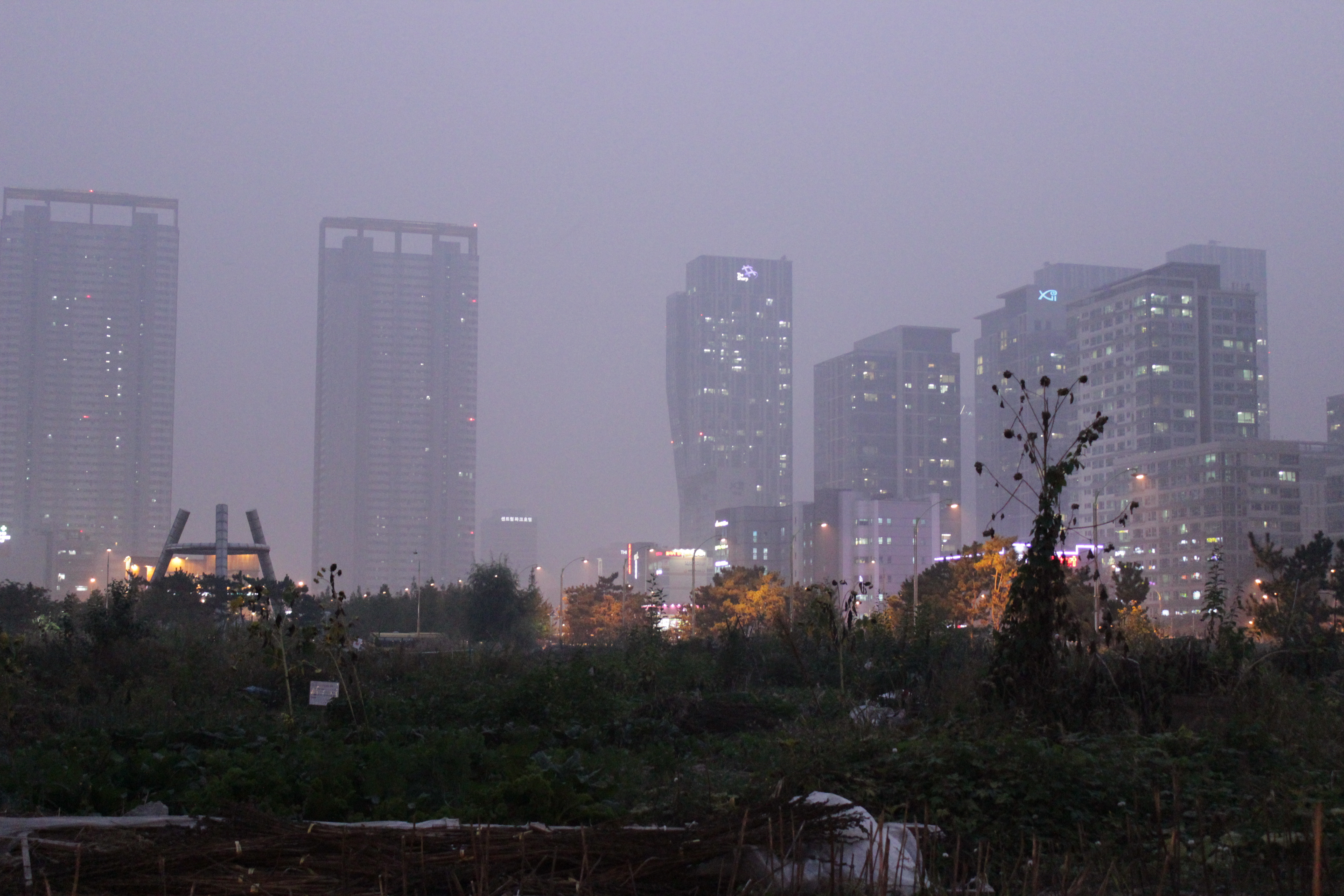
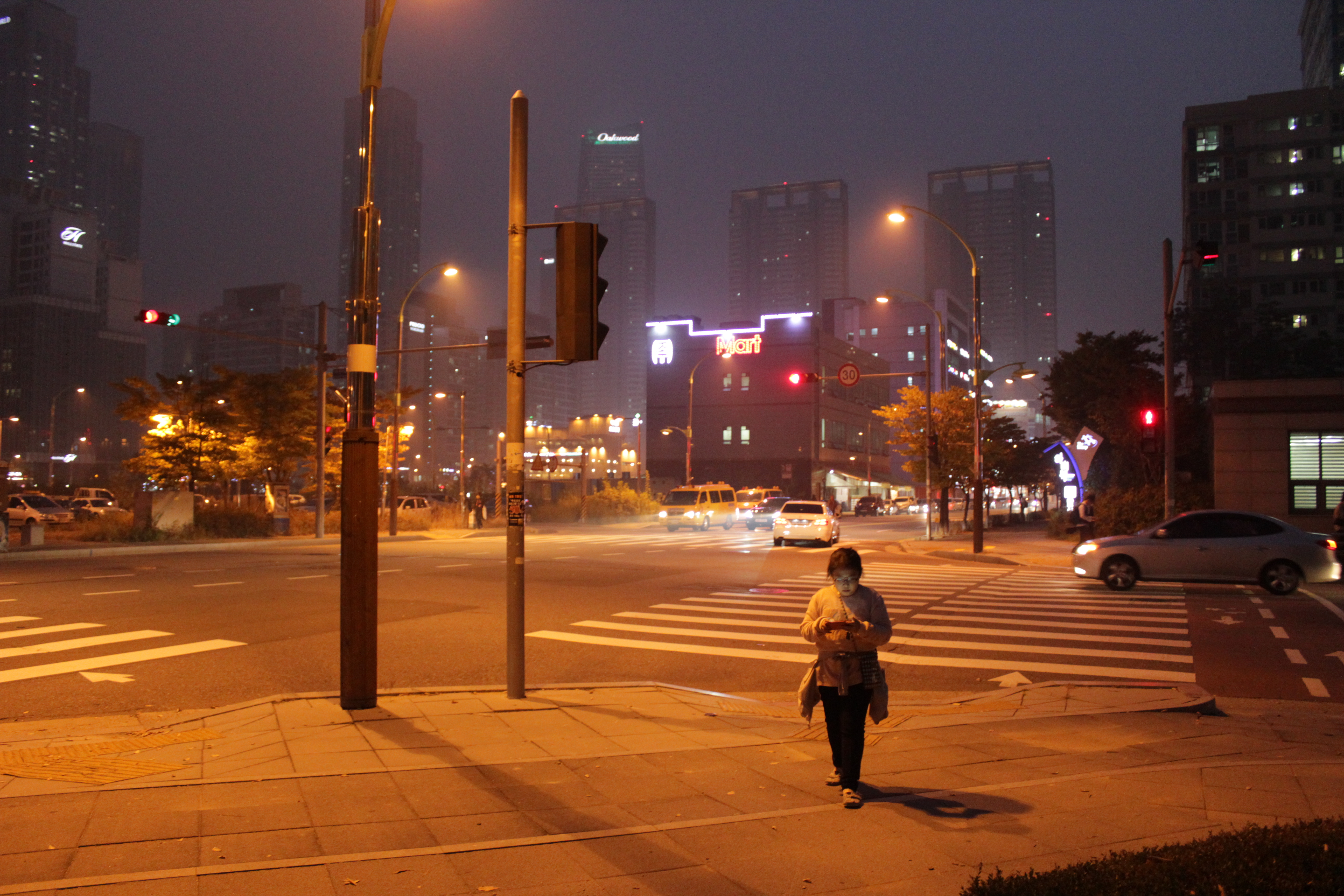
SONGDO, South Korea — China’s recent report criticizing its own air quality was no news to South Koreans, who found themselves suffering earlier this year from a problem that typically occurs in early spring — the dreaded “yellow dust.”
Known in Korean as hwang-sa, this cloud of microparticles from dry areas of China and Mongolia, where forests are being cut down and factories are going up, frequently affects the air quality of nearby countries, including Korea.
Contact with the dust, which can include aluminum, iron and silicon oxide from factories in China, can result in red eyes, breathing problems and skin irritations.
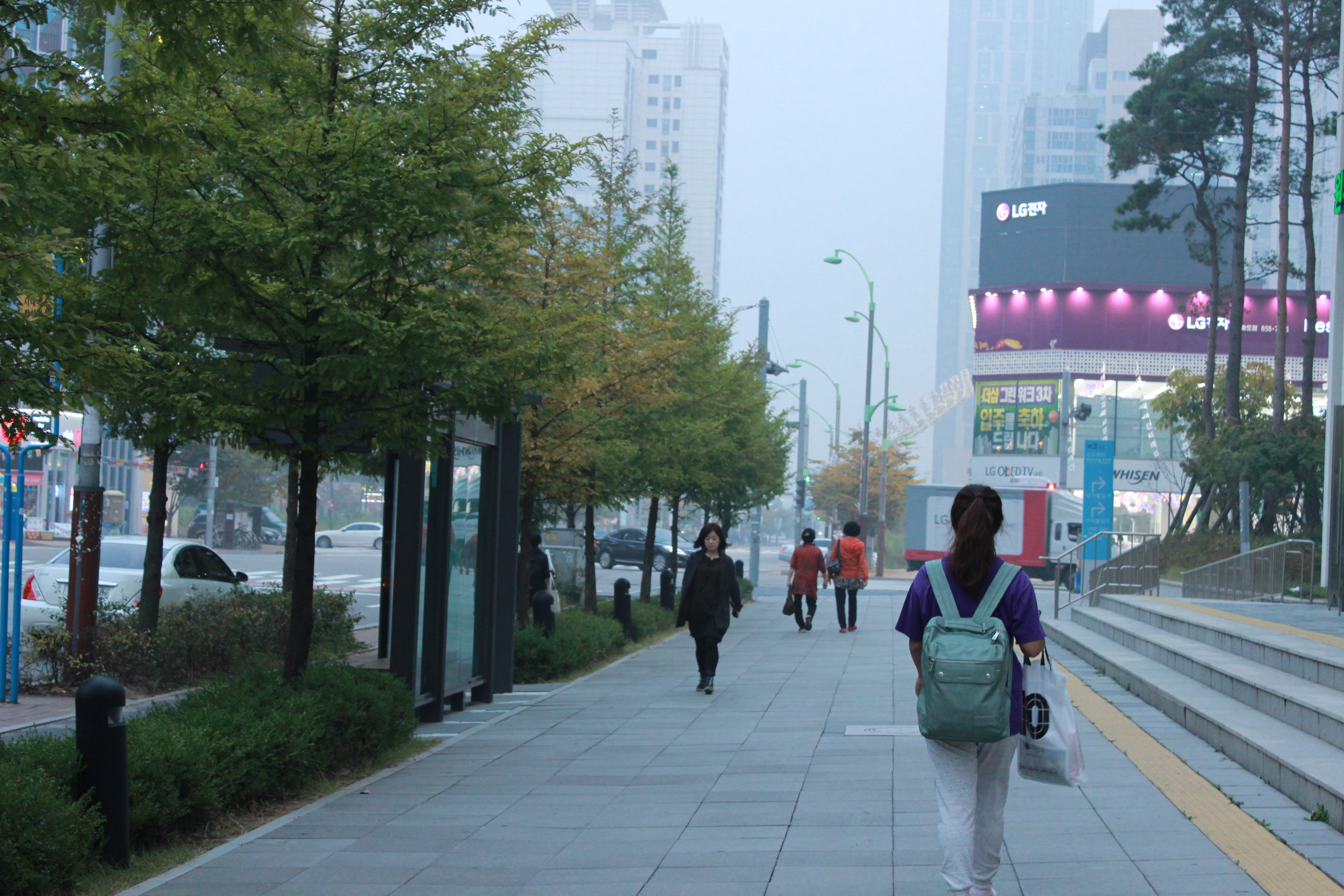
Several citizens of Songdo, located near Incheon International Airport about 38 kilometers southwest of Seoul, expressed complaints over the yellow dust that falls in their residential area.
“I think (yellow dust) occurs more in Songdo than in Seoul,” said Lina Bae, 15, a sophomore at Songdo’s Chadwick International School.
Some 940 kilometers east of Beijing, Incheon has long suffered from high levels of yellow dust. It is one of the top 10 cities known for a high concentration of microdust within its atmosphere, and has frequently been one of the target cities of national yellow dust alerts.
Yellow dust levels in October forced area schools including Chadwick International School in Songdo to cancel afterschool activities and sports and send students home early.
Known in Korean as hwang-sa, yellow dust used to hit most frequently during spring, but in recent years it has begun to occur more often throughout all four seasons of the year. Korean coal plants and diesel cars are believed to contribute to the problem.
“Lately the air quality has been very bad — I could see the bad air quality with my eyes,” said Abby Kwon, 15, also a sophomore at Chadwick. “I had to miss tennis practice two days in a row due to (the) bad air condition.”
Songdo residents said it is ironic that their city — the new home of the UN’s Green Climate Fund — is becoming known for bad air.
“Songdo always suffers from severe cases of yellow dust. But I think it’s getting even worse these days. Although Songdo is aiming to be a green, eco-friendly city, frequent construction here and yellow dust from China simply worsen the air quality,” said Rachel Seong, 15, a Chadwick sophomore.
As Songdo’s air quality gets worse and worse, Songdo residents think the government, or the country as a whole should do something about the issue.
“Not only the government, but the country should do something (to improve the air quality)”, said Bae.
Suggestions include stopping construction at Songdo for two or three days when yellow dust becomes severe, and providing more information to residents about severe yellow dust or bad air conditions.
So far, government officials have provided speedy updates on residential areas’ air quality via websites such as Naver Weathercast along with television alerts. But Songdo residents say the Korean government is mostly helpless to stop the dust from falling.
“I don’t think the government can do much to help this issue,” said Seung-Hyun Jeong, 21, an employee at one of Songdo’s Tom and Toms coffee shop.
“I heard that the yellow dust originates all the way from China,” he said. “What can the government do to stop it from coming here?”
“I’m not sure what anybody could do,” said Danny Crescenti, a geometry teacher at Chadwick International School. “From what I understand, it mostly blows in from China. I do feel the government could do more about air pollution in general.”
—Irene Kim and Karen Han are students at Chadwick International School in Songdo, South Korea. Email Irene at s4kim2018@chadwickschool.org and Karen at shan2016@chadwickschool.org.