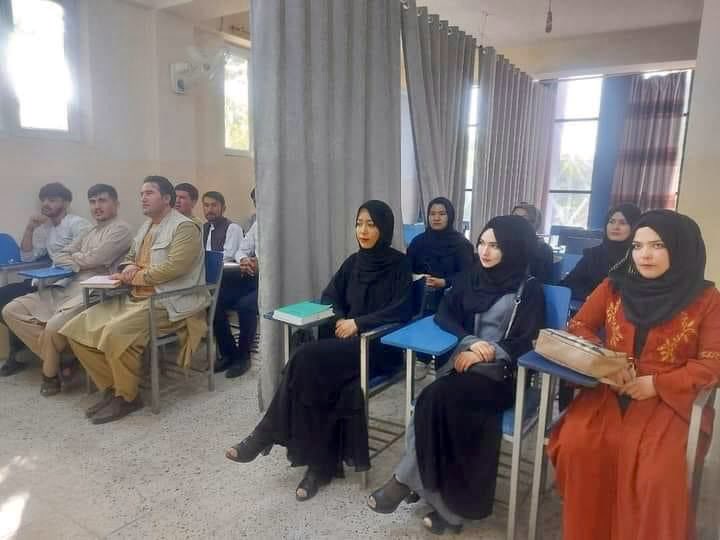
They’ve gone dark: Afghans who helped the U.S. military, trained as American-style journalists and rode the wave of women heading to higher education are destroying the diplomas, transcripts and résumés that prove how they built civil society in the country that the U.S. has left behind.
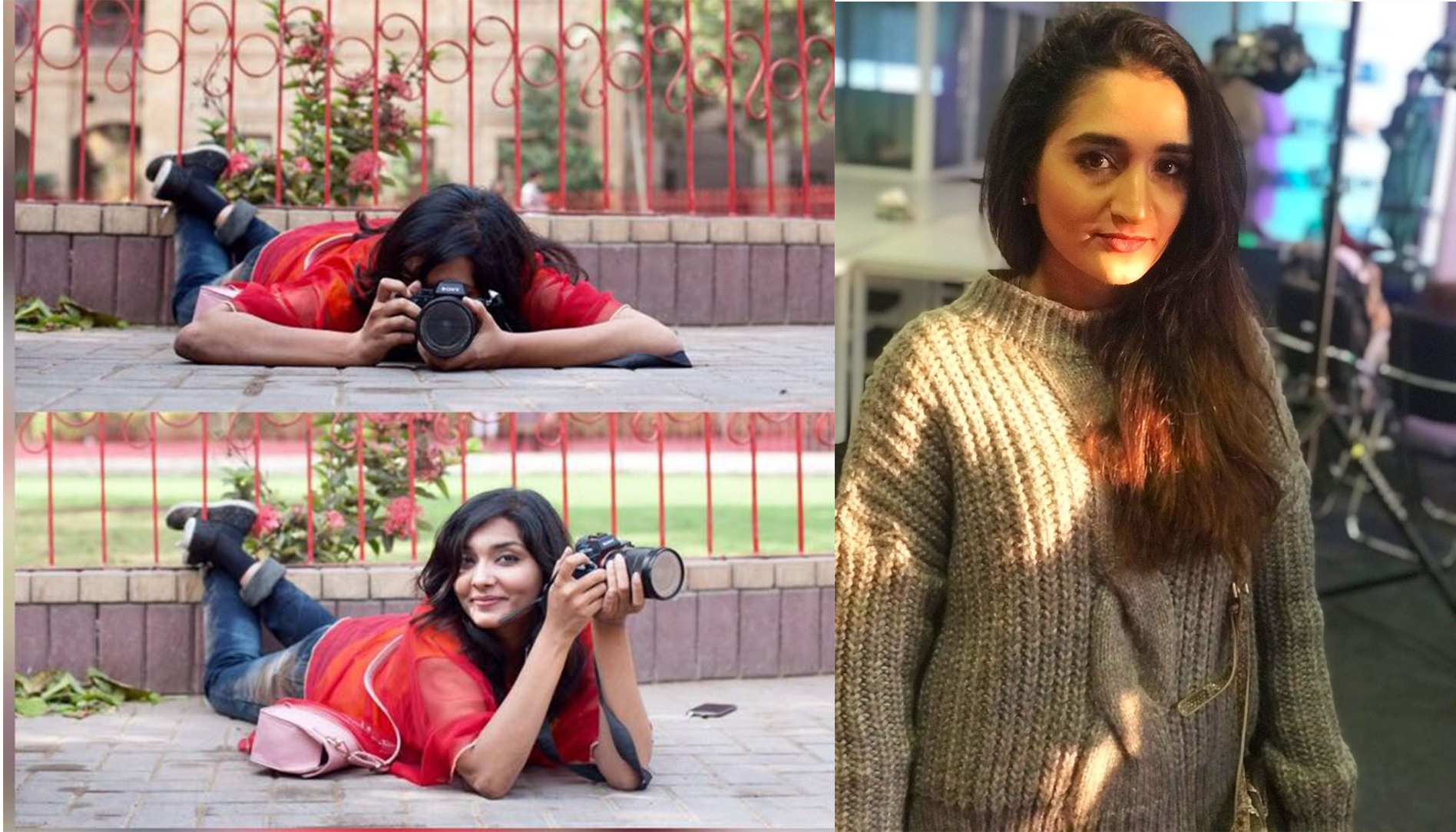
“We wish it becomes safe” — three Pakistan journalists describe the challenges they face in life, career
By Paige Mays
Newsroom by the Bay Now
Around the world, some women live in terrible conditions and cope with appalling stereotypes. And around the world, some situations are worse than others. According to The Coalition for Women in Journalism, Pakistan is one of the most dangerous places for a woman journalist; women face harassment and attacks in person and online. Documenting this demeaning reality is the only way to commence a conversation to stop it. Below, three women explain the hardships they have to overcome as women, feminists and journalists in Pakistan. —PM
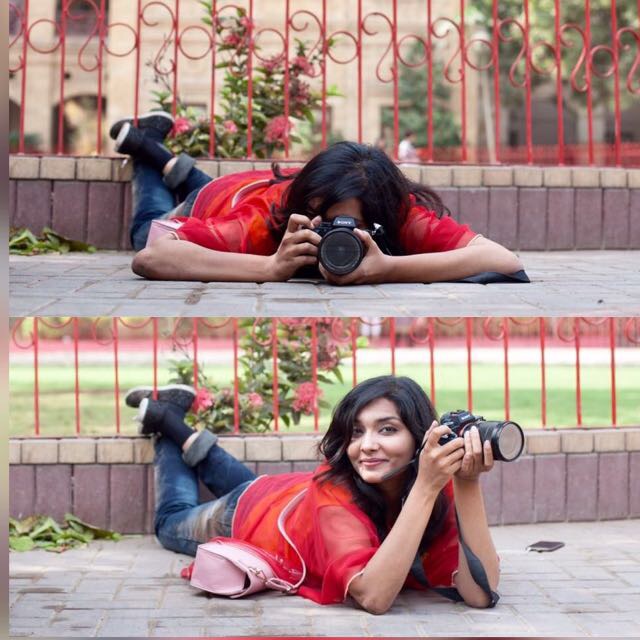
LAIBA ZAINAB, 24, freelance journalist from Multan (Punjab province); production editor at Sujag, covering “voices from the margins of power”
What challenges do you face as a woman, feminist, and/or journalist?
I believe that the word feminist is used as a slur in Pakistan for women who are vocal. I don’t believe in being a submissive woman anymore, who (is) basically considered decent and noble in our part of the world, and I pay the price for that. I face online abuses, and even offline spaces are not safe. At times, people don’t even bother (to) read my stories or listen to the content in (a) video, and just give abusive comments, which are usually gendered. They even comment on my looks and (the color of) my … complexion. All of this has a great impact on my mental health, and at times I have to (get) professional help in this regard.
Do you believe you’ve been impacted by gender bias? Describe a moment when you felt this.
I believe that I’ve been highly impacted by gender bias. Although there are a lot of instances that are quite significant, I remember when I joined journalism, I wanted to be a crime reporter, but I was told that women are made for “soft beats” only. When I didn’t go by these rules, I was labeled a slut who wants to be surrounded by “men.” This motivated me to change this narrative in Multan, a comparatively conservative city in Pakistan. But still, after years, a significant number of people believe in this, and honestly, this suffocates me. Such a mindset has forced me to leave my hometown and (get) a job in a bigger city.
What was it like growing up where you are? Were there sexist requirements, ideals, or expectations? Are they still present today?
I remember I used to play in my street with kids, without any gender discrimination, but as I grew older, I was told that girls are not supposed to play on streets like this. I was criticized for wearing jeans. My college never allowed me to be involved in any kind of sports. I was told to “laugh like a woman” and sit “like a decent person.” Honestly, all these things still exist; people still expect that I should dress a certain way, (and that I) should not use any “indecent” word while I talk because “good women don’t do so.” And now that I’m in my 20s, I am expected to get married and “settle down” because that is what the ultimate goal of a woman’s life should be.
I don’t abide by any of these rules and expectations anymore, and this sometimes worries my extended family as they think that no one will marry me. To be honest, I don’t care about all of this anymore, but everyone doesn’t have this liberty in their life here in Pakistan.
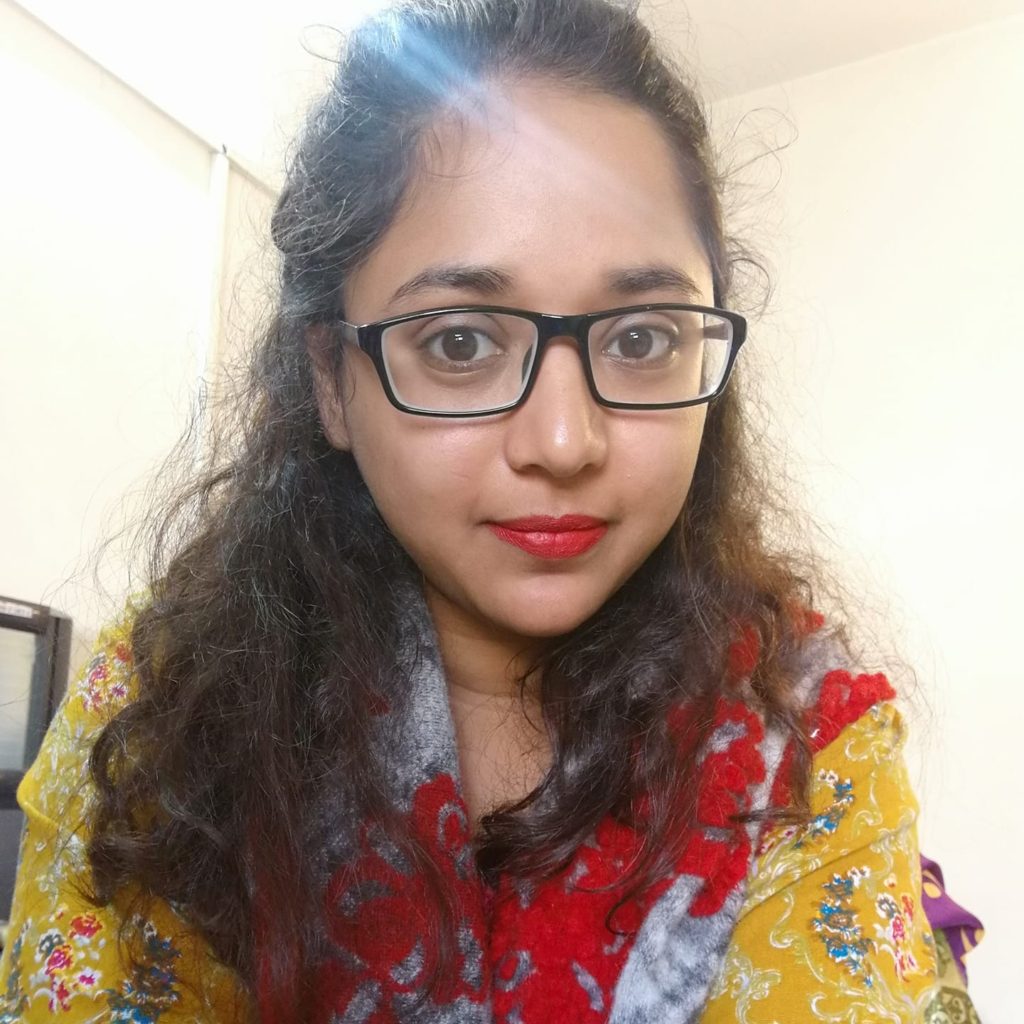
TEHREEM AZEEM, 30, from Lahore, Pakistan; freelance journalist/blogger for Independent Urdu from Lahore, Pakistan; PhD student at Communication University of China in Beijing
What challenges do you face as a woman, feminist, and/or journalist?
Unfortunately, Pakistan is not a safe country for women. We wish it becomes safe one day, but at the moment, it is not. The danger increases if the woman is a journalist and identifies herself as a feminist. Both are considered (types of) bad women who have no boundaries. Post Aurat March (Urdu for “Women’s March,” which corresponds with International Women’s Day, March 8) things have become more difficult. I often find mean, abusive, and rude comments in reply to my simplest tweets. Once I mentioned something about a biscuit, and someone replied, “yeah, you feminists have a problem with everything,” and I was like, where did I mention feminism here?
Do you believe you’ve been impacted by gender bias? Describe a moment when you felt this.
Yes, I do believe (I have been impacted). In journalism, the work of a man is considered more important than a woman. If a woman is working on social issues, she would receive comments like, ‘Oh, you opted for an easier beat,’ but if a man covers social issues, they would say, ‘Oh, this is so important. You are doing a wonderful job.’ Our society expects women to do more than a man — only then (do) they accept her worth.
What was it like growing up where you are? Were there sexist requirements, ideals, or expectations? Are they still present today?
It was painful. I am the second daughter of my parents. They had a daughter before (me). My mother gave birth to two more daughters. My paternal family gave (a) hard time to my mother for bearing only girl children. I remember she was pregnant with my brother; they would take her to shrines to pray for a boy. That was the pressure she faced. She told me that my paternal family cried on my birth, and on my next sister’s birth, they taunted her that you give birth to daughters only. I can still see this pattern alive in Pakistan. I had a very restrictive life, no outdoor sports, no swimming classes, no running, no physical activity, just staying in the room, reading or helping a mother (with) household chores.
These (experiences) are still relevant. Now I am in China doing my Ph.D. Here, people ask me if I can play badminton or swim, and I tell them I was never taught. That was not an idea for women back then. Now, the situation has changed in this regard, but again class plays a factor. We don’t have many playgrounds for children, especially for girl children. Those who can afford (to) buy services (at) expensive clubs take their daughters there.
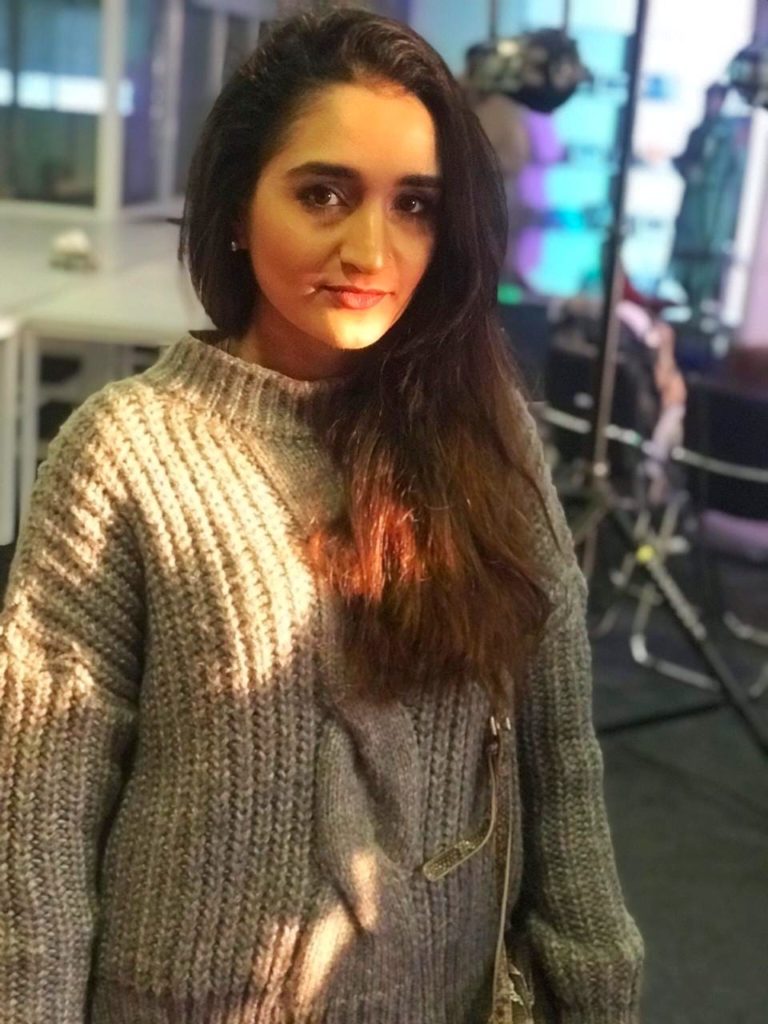
ANNAM LODHI, 28, freelance journalist
What challenges do you face as a woman, feminist and/or journalist?
As a journalist, I think it would be meeting new people, at least for me. I become anxious when I have to meet them in their offices or houses and (it) isn’t a public space. It is surely unsafe, and as a freelancer (there is) not much support.
As a feminist, it is becoming increasingly hard to share our opinions online. There’s an immense backlash that one has to face. People do not take the opinions of (a) woman journalist seriously; they are constantly mansplained, if not ridiculed, for their ideas and stories. Their physical body (and) appearance is given more importance rather than their work.
Do you believe you’ve been impacted by gender bias? Describe a moment when you felt this. Was there a significant moment?
A significant moment would be when I first started. I was told that I shouldn’t do certain things (stories) because I’m a girl. Like, I wanted to cover a political rally in Pakistan, and my boss told me that he didn’t want me to go because it’s unsafe for girls. And the same day, two girls were harassed horribly at the rally; there were videos across social media of the girls being harassed and touched by men. And then he told me, this is why I was telling you not to go in crowds.
So, I have been told, time and again, that such streets or crowds are not good for women journalists. It impacted me because in the beginning I did avoid crowded areas or talking to people who I think look sleazy. It took me some time to get over my fears and do as I pleased.
What was it like growing up where you are? Were there sexist requirements, ideals, or expectations? Are they still present today?
I was born and raised in the United Arab Emirates. I came to Pakistan in 2011 as a student. It was very un-sexist and unbiased in the UAE. To be honest, I do not remember being scared of walking the streets or taking a taxi and doing things in the UAE. I remember going out late at night with my friends, even though I was like a teenager. But in Pakistan, even though I was older (and) in my 20s, I did not have the kind of freedom I had back home. There were a lot of harassment issues on the streets…
And then they were different expectations (for) girls over here. (In Pakistan), you weren’t supposed to go out late; you weren’t supposed to talk to boys (and) you weren’t supposed to do certain things. But fortunately, over the years, I’ve seen girls become more vocal. Women journalists are taking more initiatives in the field. They’re doing more resilient stories, and they’re going to places that are unsafe for them or that were supposedly unsafe for them. So, there has been a change. But of course, then we have different kinds of challenges that we face today, like online harassment (that) is prevalent now … even though I’ve faced online harassment, I haven’t faced any real-life consequences of it yet. But I know people who have.

Related Posts