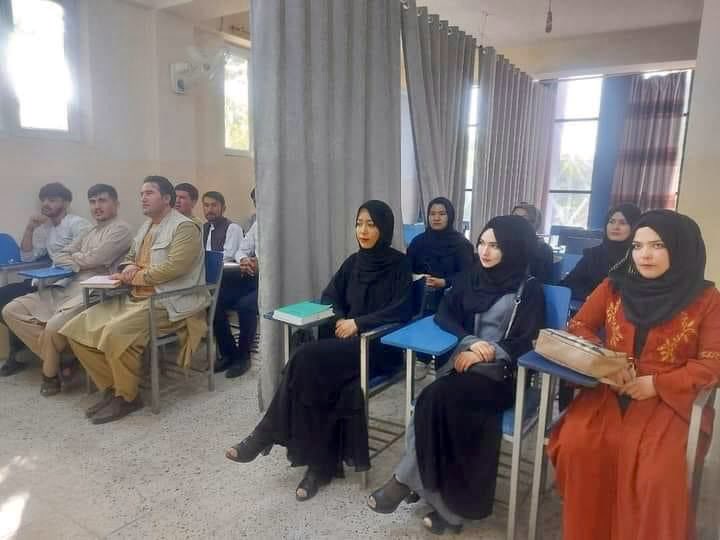
They’ve gone dark: Afghans who helped the U.S. military, trained as American-style journalists and rode the wave of women heading to higher education are destroying the diplomas, transcripts and résumés that prove how they built civil society in the country that the U.S. has left behind.
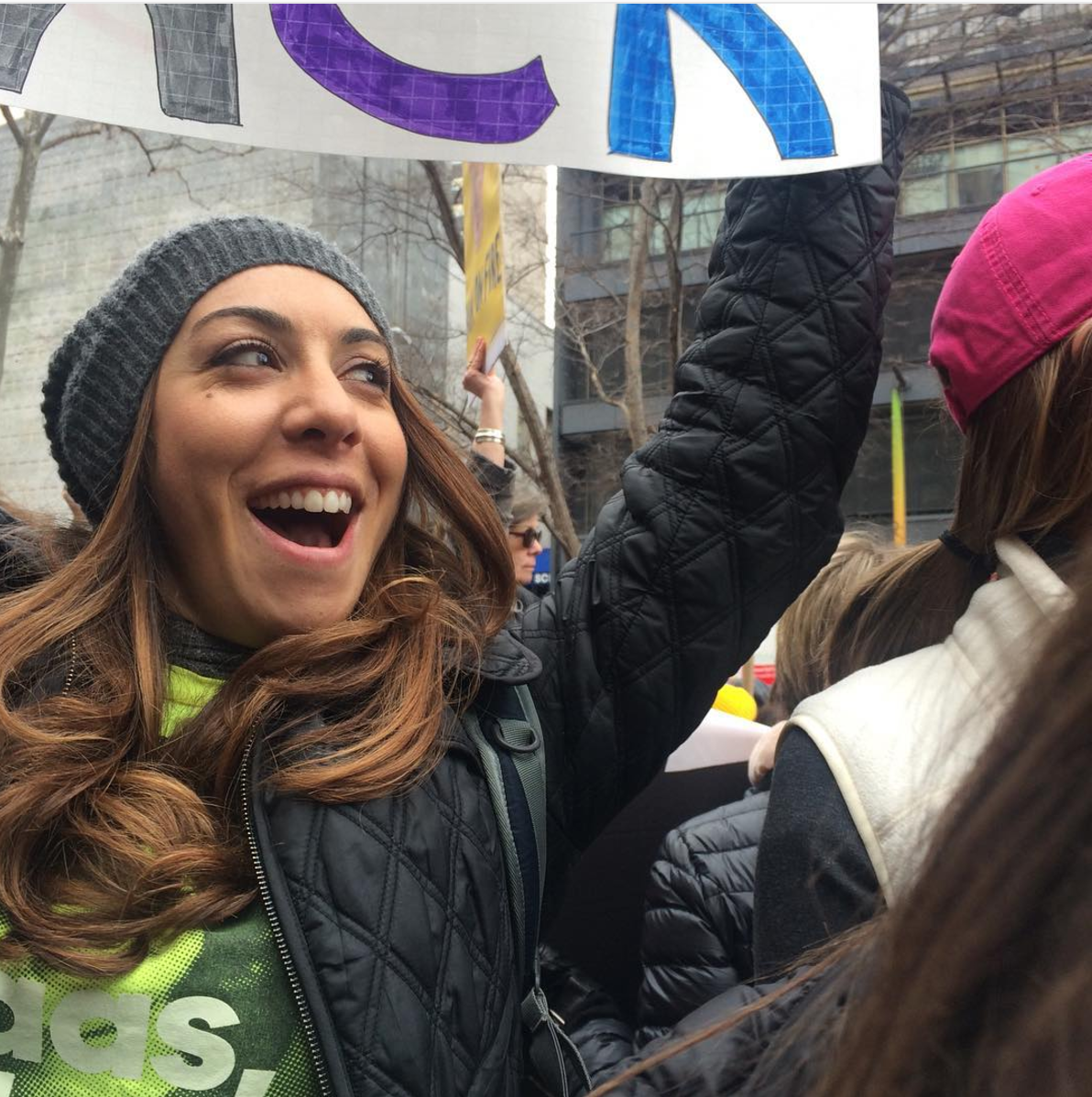
Break the box and create a fifth wave of feminism
By Paige Mays
Newsroom by the Bay Now
ORINDA, California — Waking up Monday morning, the butterflies filled my stomach as I remembered it was the first day of my freshman year. Finally, with the big kids; finally making my own decisions. I threw on a red checkered tube top and blue jeans, an outfit I had picked out weeks before.
As I admired myself in the mirror, I realized the form-fitting tube top might be a little snug. I ran to my older sister’s room for advice. “Nothing to worry about,” she told me. But I wasn’t sure. Would I get judged by new teachers or pulled into the office because of my inappropriate fashion choice. But this was high school — things should be different, right?
I can’t help but wonder if a guy my age on that day, more than two years ago, would have been as worried as I was. Today, as a junior in high school, I can say that double standards grow more apparent with every semester. When a discussion in history class finds my male peers expressing a point of view, but my female friends cautioned not to become “emotional,” I realize I’m in a box that we need to break.
So let’s break this down: According to a Vox explainer by writer Constance Grady, we’ve had three waves of feminism so far, and we are in the fourth wave right now.
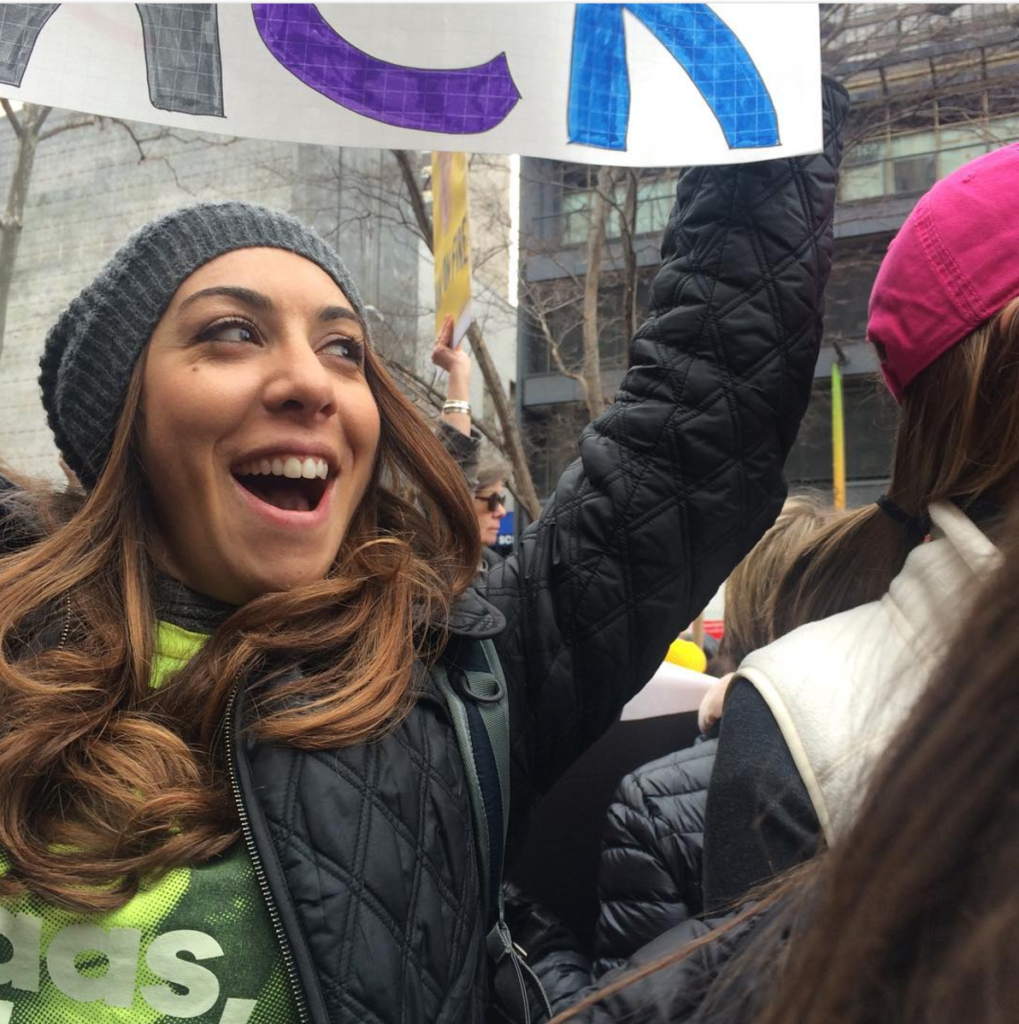
The first wave (1848-1920) focused on the fight for women to vote. The second (1863 to the 1980’s) was “the politics is personal,” where if a woman had both a job and a family, she was a feminist. The third wave (which Grady says began in 1991 and has lasted until 2016, when President Trump was elected) was all about intersection — poverty and education and race all rising (or sinking) together. And the fourth wave (which Grady says was triggered by the Women’s March after Trump’s inaugural) included the #MeToo movement and a fight against stereotypes.
That leaves the fifth wave. As a 16-year-old, I know that my generation gets to create it. But what should it be?
As we know, the fourth wave included a focus on sexual harassment, body shaming, and stereotypical ideals. Although the fourth wave seems the culmination of a decades-long fight, we notice that it isn’t.
What about a girl who’s afraid to speak up in class? What about a girl who’s obsessed with her weight? What about the millions of girls who can’t go to school because they are menstruating and can’t get a sanitary pad? What about a girl afraid to wear a tank top because she’s a bra size DD? As we think about the fifth wave of feminism, we must focus on addressing these pressing questions.
Here’s what I think the fifth wave of feminism has to include.
First, we feminists have to stop competing with each other. For example, as a young girl, I’ve felt pressure to compete with peers for a boy’s attention or good grades. Trying to keep up with the girl in front of you is an exhausting rotation, leading many women and girls, myself included, to anxiety or depression. When we think we’re being independent and powerful by shaming or demeaning other women, we’re still following the patriarchy.
Second, as feminists, we need more allies. For example, though social media may be filled with our welcoming posts and comments to each other, we need to reach further out and tell men who may doubt feminism why it matters to us. And why it’s necessary. The only way for feminism to be truly revolutionary is with the support of every person, including men. For the fifth wave to take hold, we need more than just women pushing for the equality we want.
Third — and most important — we need to expand what we mean by “choice.” It should not only mean the incredibly important issue of reproductive rights — the choice of when and how to be pregnant — but simple, everyday decisions, like choosing clothes for school. From a girl’s early school days, she has to follow a dress code, including but not limited to no skirts or shorts shorter than one’s arm, no spaghetti strap tops and no revealing clothes. Dress codes teach pubescent girls that it is up to them to not “be a distraction.” These restrictions condone the objectification and sexualization of minors and teach students that it is okay for people to treat them like an object. We need to allow girls to dress as they choose, without fearing that their choices will be punished.
Like third-wave feminism, these points are intersectional. The grip of a dress code on young girls does not only include clothing but also our lifestyle and hygiene needs. The attitude towards menstruation defines it as a nasty and disturbing substance that comes from our bodies. Even though it’s almost impossible to avoid and nearly every female experiences it, some are still ashamed to reveal this natural process.
In a study conducted by Female Forward Together, 62% of women and 59% of men identified menstruation as uncomfortable to talk about. If women are embarrassed to talk about their own bodies, why wouldn’t young girls feel the same way? The stigma around menstruation influences women so heavily that ignoring it is easier. Fortunately, in some places, things appear to be changing. According to AP News, Scotland has recently passed a legislation, that allows period products freely accessible to anyone who needs them. This needed change can act as a model for other countries to abide by.
Ironically, some of the most ardent proponents of dress codes are feminists; some believe that, in order to be a “true” feminist, one must reject femininity by not being too girly or by staying away from the color pink. Sadly, this results in feeding the patriarchy exactly what they want: By dismissing femininity, women are allowing patriarchal norms to continue to control them.
By dismissing femininity, women are allowing patriarchal norms to continue to control them.
In 2006, 56% of young girls believed that females should speak softly and not cause trouble, and 74% felt pressure to accommodate those around them. These statistics demonstrate what young girls think are expected of them. Although this is most likely because of patriarchal views, women partake in it as well. As women, we must embrace every quirk and influence younger generations to come.
Looking to restore the lack of female voices and formalizing the fifth wave can take many forms. But the most effective route is taking action. In Orinda, California, two girls founded a club that empowers women.
“We decided to start the Miramonte Intersectional Feminist Alliance because we …wanted to see change at a local level as many acts of sexism go unnoticed at our school,” wrote Zoe Moga and Anaya Budayr, presidents of the Miramonte Intersectional Feminist Alliance. “We figured that if we want to enact change on a systemic and societal level, the best place to start is within our own community.”
That first day of freshman year, much to my relief, nobody stopped me, nobody reported me, nobody made me go home and change the top I was wearing. But the damage was done; long after that tube top disappears from my closet, I’ll remember the anxiety I had when I wore it.
I’m ready for a brave fifth wave.

Related Posts