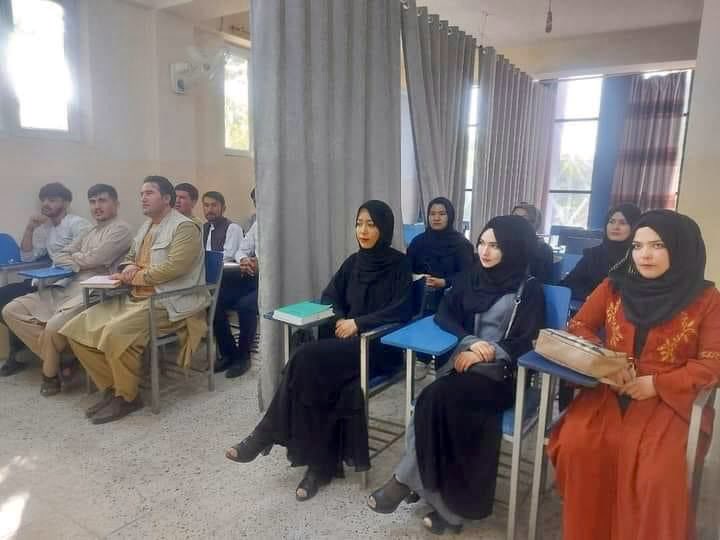
They’ve gone dark: Afghans who helped the U.S. military, trained as American-style journalists and rode the wave of women heading to higher education are destroying the diplomas, transcripts and résumés that prove how they built civil society in the country that the U.S. has left behind.
Colleges make mental health a priority following a divisive 2020 election
By Sydney Lee
Newsroom By the Bay Now
ELMHURST, Ill. — Stress isn’t a subject you’d expect to find in a college syllabus. But this year, American universities took a cue from a pandemic and a presidential election to tackle stress and offer mental health resources for students, many of whom were learning remotely.
The buildup to the 2020 election was a nail-biting experience. In a survey from October 2020, the American Psychological Association found that over two-thirds of adults in the U.S. thought that the unpredictability of the election was a ”significant source of stress.”
Since most students are first-time voters and facing many situations in their day-to-day lives, the additional stress caused by this election became a point of concern for many universities’ mental health efforts. Based on votes as of Nov. 18, the CIRCLE program at the Jonathan M. Tisch College of Civic Life at Tufts University found that 52%-55% of voting-eligible people aged 18-29 cast a ballot in the 2020 election. This increase in voter turnout since 2016 saw young people becoming crucial voters in shaping the results of the election.
Though views of higher education have grown more partisan over the 2010s, schools sought to address the well-being of their students while setting aside political and ideological divides.
Results from an exit poll conducted by Edison Research and reported by CIRCLE showed that out of 39 states where there was data, 32 of those states’ young voters preferred Democratic candidate Joe Biden over President Donald Trump. While Biden was favored among younger voters, there were still supporters on the opposing side.
Whichever side students were on, clearly the results of the election and the conversations that would take place afterwards were on educators’ minds as they developed resources for students.
Here’s How Each School Responded
After Election Day, universities used Instagram Stories to post infographics about mental health resources on and off campus and Tweets to link relevant articles about managing mental health through difficult times.
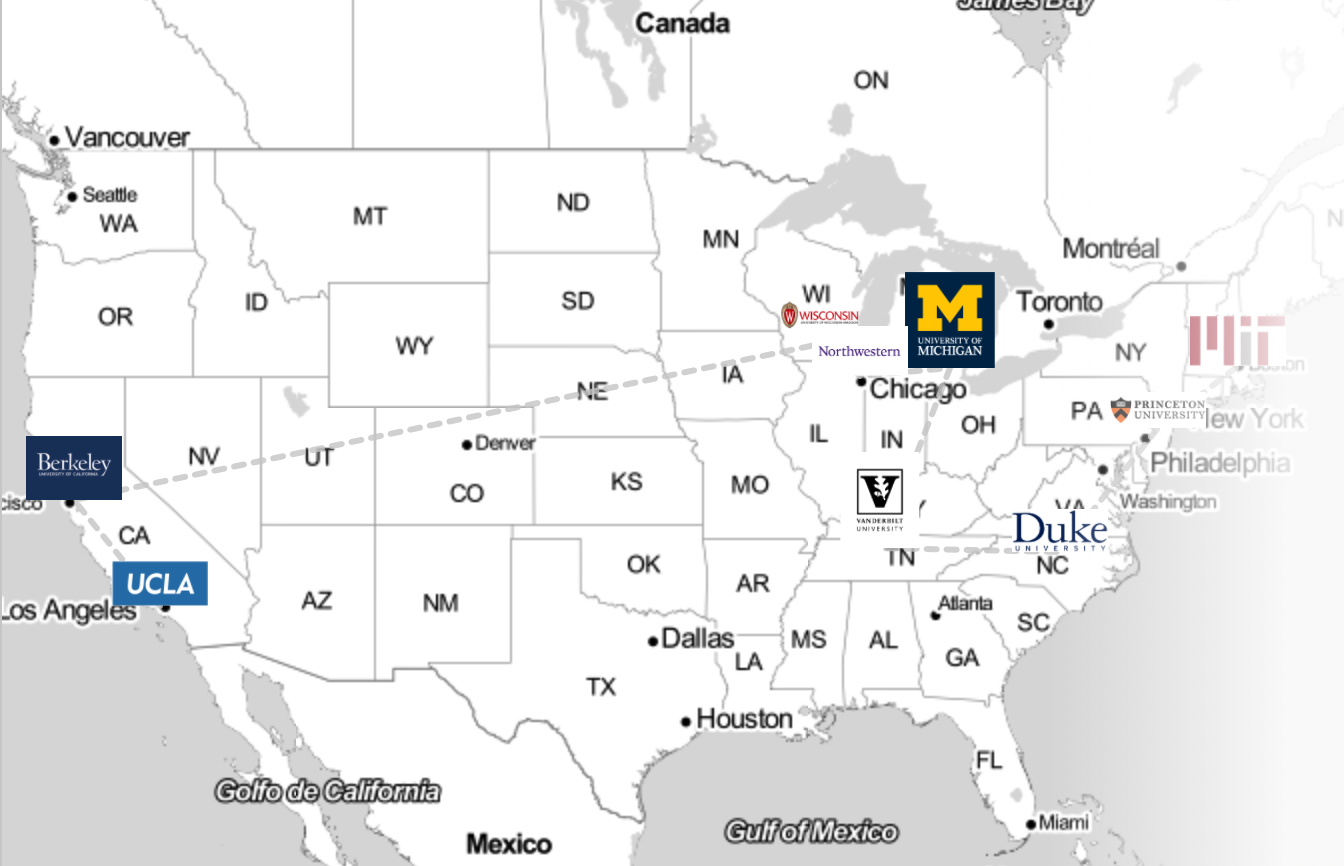
University of California, Los Angeles
UCLA was one school that took immediate action. On its Instagram account, @ucla, it posted a series of stories informing students about a chat room to discuss thoughts surrounding the election.
In these respective chat rooms, students reserved spots for Zoom sessions titled, “Post-Election Reflection Space for All Undergrad and Grad Students.” These spaces allowed students to interact with others while reflecting on their election emotions. Professional staff from health and student service-related campus departments accompanied students and helped facilitate these conversations.
Massachusetts Institute of Technology
Similar to UCLA, MIT created a website as a resource for students and posted it on Facebook for their students.
The site connects students with support services and offers counseling drop-in office hours for students if they would like to speak with clinicians, student support staff and peers.
In addition, MIT scheduled different workshops and meetings for students to attend. One event was the MIT Reboot, a nine-day workshop from Nov. 3 to Nov. 11, right in the midst of the highly stressful election week. Students and staff joined together to simply take a break and have fun,participating on and off-campus in a variety of activities and events, from bonding activities such as lawn games and a three-point shooting contest to wellness activities such as yoga and reflection sessions.
Northwestern University
NU took a slightly different approach to helping students deal with post-election stress. The school tweeted an article featuring faculty members Dr. Aderonke Pederson and Alexandra Solomon, who described how to cope if your presidential candidate loses.
Should a student’s candidate lose, Pederson recommended recognizing signs of grief build-up and seeking help to walk through the stages of anger, acceptance and resignation. Accepting the results and looking at the positives and negatives going forward, she predicted, would help students find a state of peace.
On the other hand, Solomon cautioned against bullying or being boastful about a candidate who won. Instead, Pederson suggested giving those supporting the opposing candidate time to process their emotions before bringing up the election in day-to-day talk.
Five key takeaways for handling post-election stress (based on the UC Berkeley wellness plan):
- Engage in activities you enjoy.
Do something that makes you happy! Whether it’s going for a run outside or reading your favorite book, find a hobby that makes you feel at ease. Setting aside some time each day towards these activities will help take your mind off stressors in your life.
- Connect with others.
Spend time with your loved ones. Talking with family, friends, and classmates about your thoughts and worries can help you build stronger bonds with others and recognize your own emotions. Also, time with family and friends brings joy and laughter, just what we need during this time of year.
- Be present.
Recognize your emotional and physical health needs. Prioritizing wellness and being open to accepting your feelings is very important. In the long run, leaving negative emotions unchecked may leave a larger hill to climb as time goes on. Living in the moment will also highlight the great things in life that you can appreciate. Don’t worry constantly about the future.
- Focus on things you can control
Unplug from the news and social media and avoid being caught up in what you have no control over. Instead, be more aware of what you can influence. Being a kind person is one easy way to make a difference in the world. Something as simple as opening a door for someone or wishing someone well could really mean a lot for another person.
- Practice positive psychology
Look at the bright side! Instead of thinking about all the negatives in the world, find the silver linings. Having an optimistic mindset and being grateful for the goodness in others is good is important in finding our emotional balance in this hectic year. All things considered, remind yourself of the little things that spark joy in your day-to-day life and take time to reflect on those moments.

Related Posts