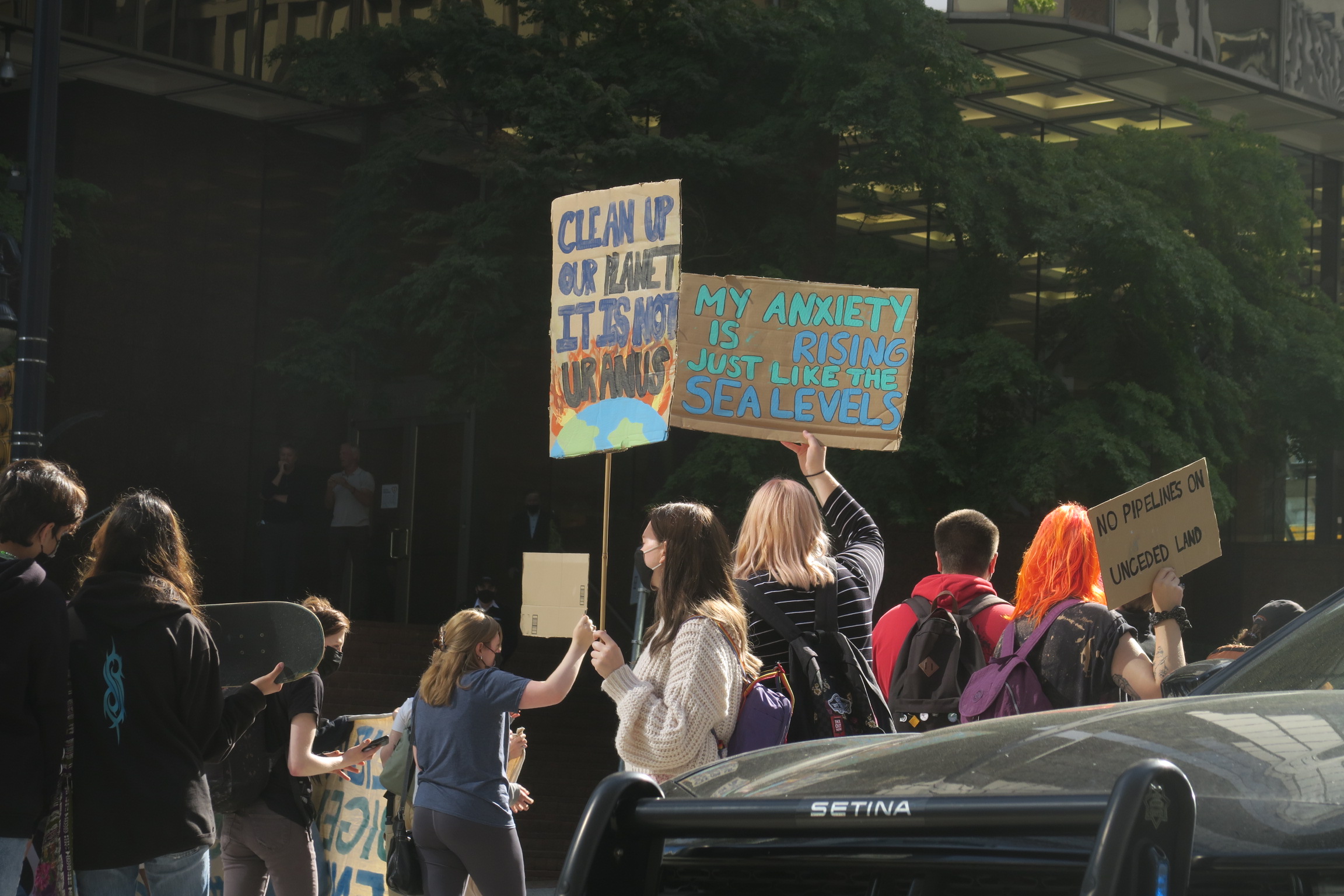
They’re back: Today’s Fridays for Future strike — the first in 18 months — will see youth activists taking to the streets again to push progress on solutions to climate change.
Here’s what you can do to raise awareness and seek solutions where you are.
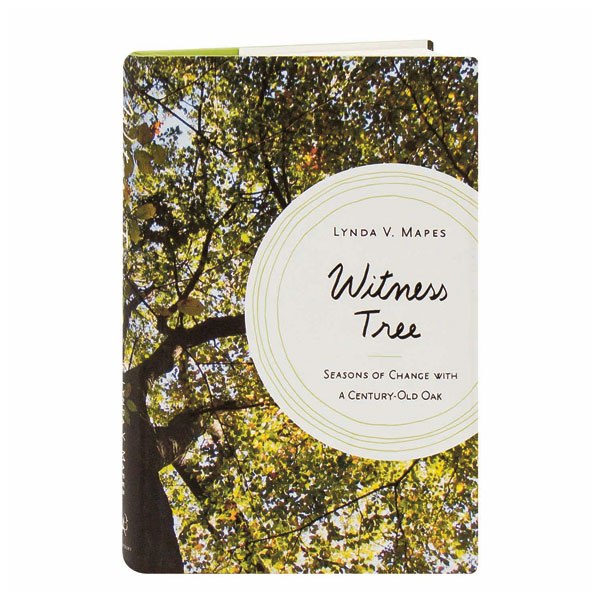
REVIEW: “Witness Tree” makes a literary case for action on climate change
By Arushi Khare, Newsroom By the Bay
LOS ANGELES — Strolling through Harvard Forest one day, stopping here and there to admire the trees, she reached out to touch the moss growing on their trunks.
The year was 2014, and Lynda Mapes, in addition to being a distinguished environmental reporter for The Seattle Times, was spending a year at Harvard as a Bullard Fellow, one of only a handful of journalists, scientists and authors accepted each year for intensive study into forest research. Already a published author, Mapes had her eye on a certain red oak.
Mapes’ year-long relationship with that oak and the scientific and imaginative dive she took are the basis for “Witness Tree: Seasons of Change with a Century-Old Oak.” The nonfiction work chronicles the tree’s journey through the turn of the seasons, one that has seen a dramatic change in the past few years — all thanks to climate change.
Climate change is a central focus throughout the work, but not a theme that is immediately discernible. In an interview, Mapes said she puts her book in the category of literary nonfiction. Readers may notice how she begins many of her chapters with a more literary approach, which later turns more technical.
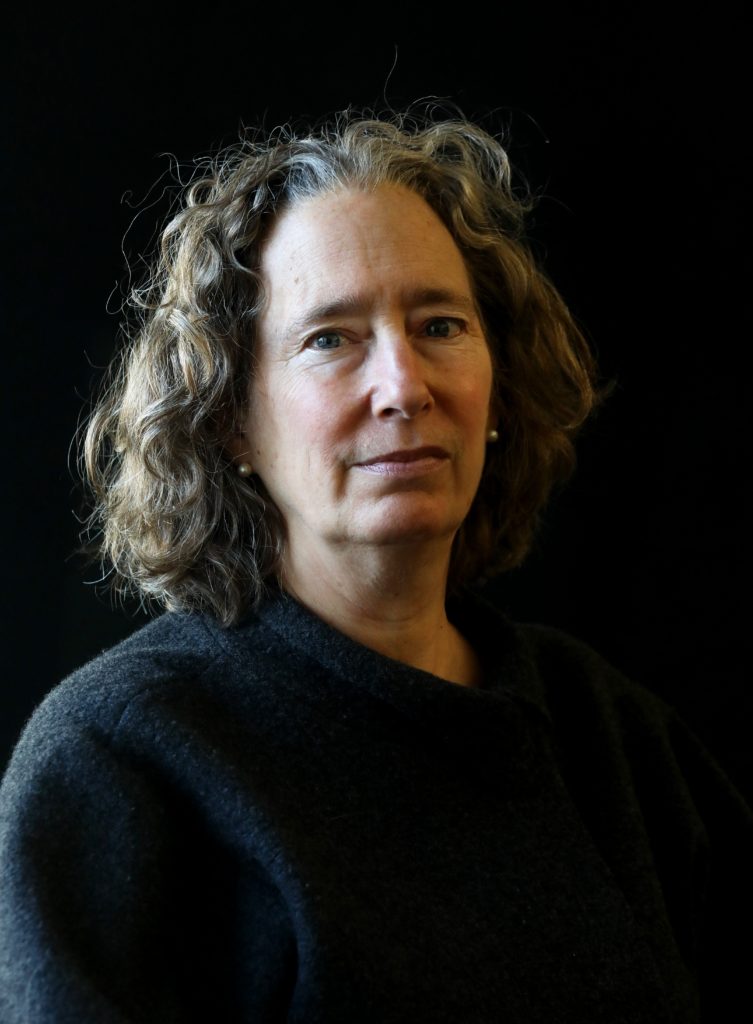
Alan Berner / The Seattle Times / used with permission.
When asked about this progression, Mapes told me it was deliberate.
“I like to try to hook a reader with a descriptive or emotive beginning,” she said. “And then build the shoulders of the piece, and start with something that hopefully will engage their hearts and their emotion. There’s going to be a whole delivery of facts and history and context.”
Writing during the pandemic amidst ongoing issues surrounding politics, racial equality and climate change is tricky. Why write when there are so many more approaches that could involve a writer in real-time, such as actively taking part in protests? Compared with journalists covering breaking news, more literary and creative writers may catch flak for taking the backseat when it comes to such activism.
However, when asked about her literary take on climate change, Mapes, the author of the award-winning journalistic series about orca whales called “Hostile Waters”, thought a purely journalistic piece wouldn’t be quite effective in inspiring change in the reader. She told me she would “sneak up on people, and instead of writing about climate change and carbon, write about a really beloved living thing that they have an attachment to.”
“You can talk about it in greater depth and a bigger frame in a literary voice that adds a more artful rendering of the story,” Mapes said.
Literary nonfiction is the best of both worlds: An intersection between literary prose and journalism. Literature seems to have a way of prompting relatability, shifting perspectives and allowing polyphony — a multitude of voices. When done correctly, polyphony can either create an open or closed dialogue. This polyphony reflects Mapes’ work, where she takes on many perspectives, including a carpenter’s, a scientist’s and a layman’s. Thanks to all of these voices heard simultaneously, her book is incredibly informative, acting as a kind of layman’s guide on phenology, the study of the relationship between biological and seasonal phenomena, and how it relates to climate change.
In “Witness Tree,” Mapes uses works by the American transcendentalist writer Henry David Thoreau to highlight issues related to deforestation. Mapes urges readers to reform their behavior toward the world around them. She quotes naturalist Aldo Leopold in saying that “land is a community is the basic concept of ecology, but that land is to be loved and respected is an extension of ethics.”

There is always a clear, distinguishable truth throughout Mapes’ narrative: Climate change is a very real problem, and we need to do something about it. But her story allows for perspectives on different aspects of climate change.
Her personal experience with the tree itself is also interesting, with her describing it as a feeling creature, not quite personified, but alien and familiar at once. Even if we do become attached to this tree, there is still much to learn about it.
Mapes starts the reader’s fight against climate change with an introductory crash course in phenology. She hopes that her audience takes the book as a call to action after growing fond of the red oak that has played such a central role in her own life. Functioning as a guide together with her brilliant writing, she crafts a compelling narrative, one that will both inspire and inform her reader. Climate change has implications reaching far beyond the obvious as it impacts our cultural expectations, too.
Mapes warns that a greater pandemic of climate change is coming; COVID-19 is just the tip of the iceberg.
“It was really interesting to watch the crash in the CO2 levels in the atmosphere that came with COVID-19,” Mapes said. “But actually we need an even bigger reduction than that and sustained for a longer time.”

Related Posts