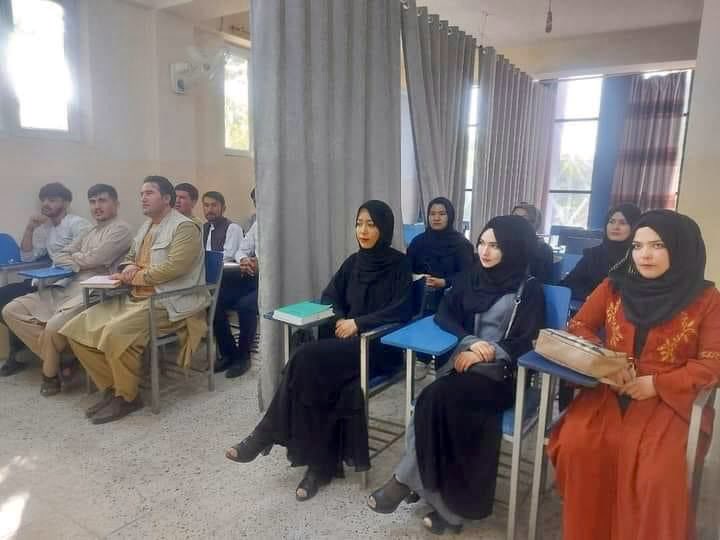
They’ve gone dark: Afghans who helped the U.S. military, trained as American-style journalists and rode the wave of women heading to higher education are destroying the diplomas, transcripts and résumés that prove how they built civil society in the country that the U.S. has left behind.
Finding the other half: How Chinese parents are matchmaking
By Heying Wang, Rui Li, Xinyi Cao, Yi Feng, Zhongrui Li, Ziming Yuan, and Chunyang Tao
The International Department of Shude High School
Special to GSS
Note: Students at the International Department of Shude High School visited Chengdu People’s Park, where they came across a series of “paper profiles” placed by parents looking to find a match for their children. However, the clash between their desires — class stability versus romantic compatibility — has brought this practice into question. — Matthew Asuncion, GSS editor.
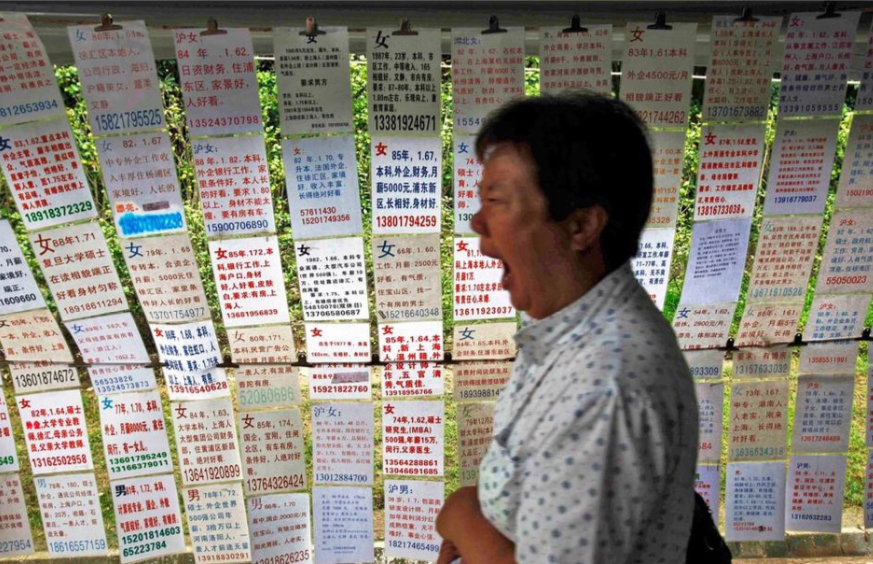
CHENGDU, China — At Chengdu People’s Park, fences are lined with “paper profiles” — advertisements scrawled with name, occupation, income — of unmarried adults. However, these profiles weren’t placed there by the adults themselves, but rather by parents looking to find the ideal match for their children.
Chinese culture has been imperative in ensuring that youth marry in their 20s or early 30s for financial stability and to maintain a traditional family structure. But during the 1980s, unmarried 30-somethings were left with a dilemma as they arrived in droves in metropolitan regions, leading local governments to organize social gatherings and registration services to streamline the matchmaking process.
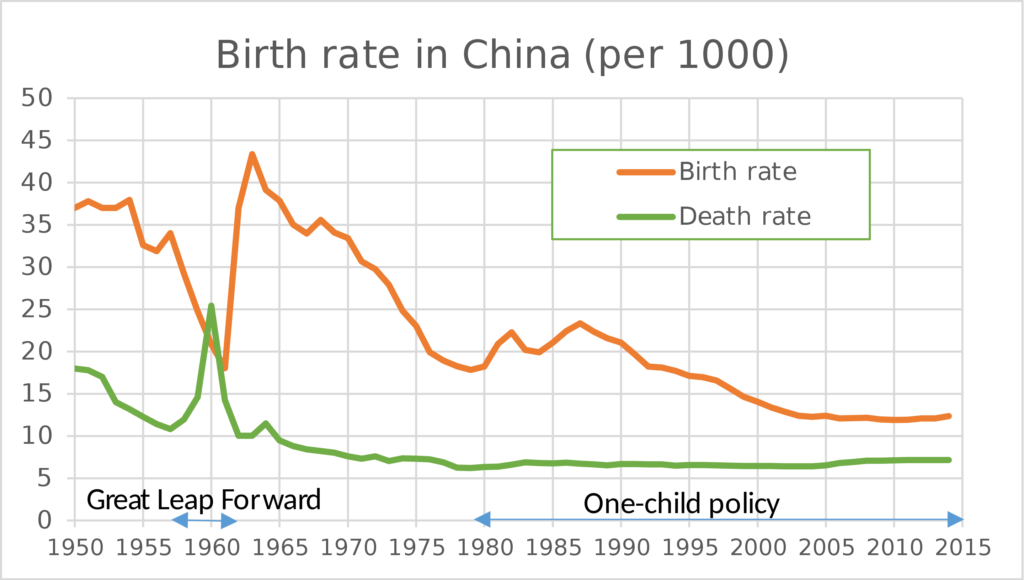
Nevertheless, the fear instilled upon that generation has carried over to today, with parents worrying about how their children — often singletons, the result of China’s previous “one child” policy — will find partners.
Arranged blind dating has prevailed as the preferred mode of matchmaking by parents across China. Typically, parents of unmarried children gather at a specific location, such as public parks or plazas, to find other parents, exchange information, and establish relationships. By talking to other parents first-hand, they can pick and choose potential matches for their child based on whatever series of standards that they deem fit.
However, many Chinese youths aren’t too fond of the values that blind dating reinforces.
Zhang, a 27-year-old passerby who declined to share her full name, shared her thoughts: “I think blind dating is more about materialism than love, and people pursue marriage as a way to gain stability, have children, and most importantly, avoid parental pressure.
“It’s like a complex market, she said, “and we, the children, are given price tags and traded as the products of our parents.”
By focusing on characteristics such as wealth, occupation, or even Zodiac sign, parents have created a so-called “disdain chain” to limit their children’s potential suitors. As a result, those of lower socioeconomic status are often left out of the equation. And although variants of this practice have been in place for generations throughout Asia, many youths are looking to break free of restrictions set by the structure of blind dating in pursuit of a more romantic love.
While youths may be content with waiting longer to find the “perfect match,” Chinese parents have been left to grapple with the fact that their children aren’t as invested in the notion of marrying earlier on in their adulthood.
The percentage of single adults in China has skyrocketed in recent decades, rising from 6% in 1990 to 14.6%, or 200 million people, in 2015. And with parental and societal expectations pressure the next generation to move towards marriage, it’s worth asking how and why blind dating has become such a prevalent means for individuals, or perhaps, their parents, to find their other half.
—This story was reported and written by students who participated in JEA China‘s 2018 Youth Observation Contest, where it received a superior rating. It has been edited for publication by Global Student Square and is published with permission.

Related Posts