Young journalists often face contradictions when it comes to talking about social and political issues. Curricula emphasize phrases like objectivity and unbiased coverage, but where do you draw the line?
Don’t be a K-pop zombie: Check out South Korea’s new world of indie music
By Doh Hyoung Kim
GSS Correspondent
K-pop Co-Editor
SONGDO, South Korea — It’s ironic: While South Korea is considered to be a traditional culture in terms of its respect for history and family ties, it is often viewed as a revolutionary nation when it comes to pop culture, investing and marketing music as one of the country’s key exports.
Unfortunately, what makes for a great export isn’t necessarily great music. “Like OOH-AHH,” by the Korean band Twice, is a good example of the type of hit that tops pop charts but can turn you into a zombie:
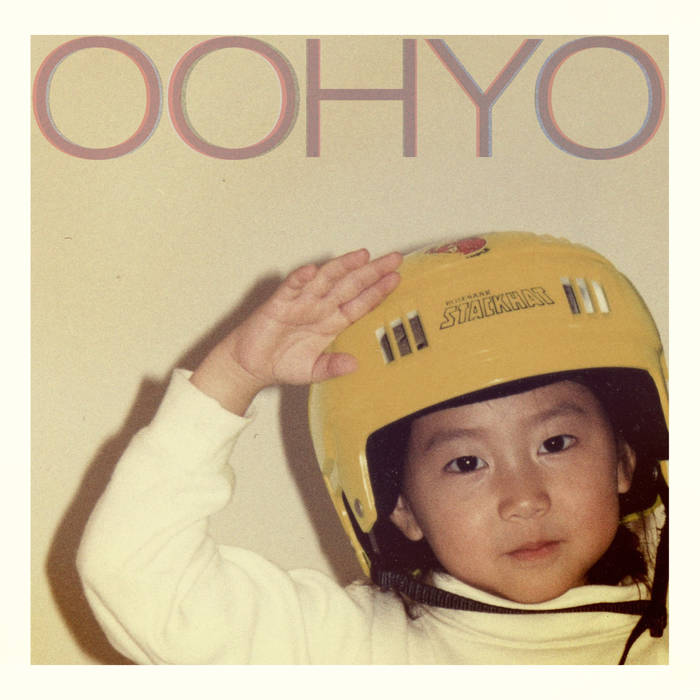
But there’s another, less traditional and much more revolutionary side to Korean music, and that is creative artists such as Oohyo and Saltnpaper, who have had difficulty setting foot in the mainstream music scene but are well worth discovering:
Why aren’t we listening to more artists like these? While the K-pop industry has blossomed into a lucrative business that is an integral part of Korean culture, the fact is that it has killed the essence of diversity within Korean music.
When foreigners think of Korean music, they naturally think of a plethora of K-pop bands that dominate the music industry. As such, manufactured pop songs overshadow independent music. Excluding music fans, most listeners do not actively search for elusive and unique songs. More exposure to lesser-known songs would gradually influence the public to develop an interest in a wider variety of music and thus set a new trend in music consumption. Some ways to look for authentic indie music are visiting koreanindie.com or Naver Onstage.
Another reason why diversity is missing in K-pop is risk — producers avoid it. The Korean music industry is dominated by massive businesses that have their own success formulas. Having produced numerous K-pop idols, such businesses rarely stray from their established methods of creating music and choreography.
While there’s some movement towards musical experimentation among already established K-pop singers, for example, IU and BoA, most mainstream singers are hesitant to take risks. But industries are underestimating listeners. And a look at the Korean music charts demonstrates that what’s popular may be changing.
Recently, Hyukoh, a Korean indie band, rapidly rose to prominence overnight after it appeared on an entertainment show. Before the band’s music started dominating the music charts, they were simply one of the lesser-known Korean artists. Despite the fact that their music is far from styles that are considered to be popular, they gathered a huge audience that found their alternative rock music refreshing:
Another notable success is Dean, a rising young R&B artist. He slowly established himself within the K-pop industry by writing songs for pop artists such as EXO and Lee Hi. He gained popularity after his music was critically acclaimed and frequently posted on social media:
Maybe uninspired, formulaic dance songs are on the way out? Clearly, indie artists are a breath of fresh air. Pursuing non-mainstream styles of music may be risky, but it can be extremely rewarding and even revolutionary. I believe the music industry is slowly realizing that a paradigm shift is necessary; it is now time to let go of the overused formula and focus on the true essence of good music.
As zombies know very well, what is considered weird today may become a new trend tomorrow. The next task is for singers to transition into artists while keeping a strong connection with the public. The challenge is to reveal the undiscovered treasures.
— Doh Hyoung Kim is a rising senior at Chadwick International School in Songdo, South Korea. For more suggestions on Korean indie music, contact Doh Hyoung at d3kim2017@chadwickschool.org.

Related Posts