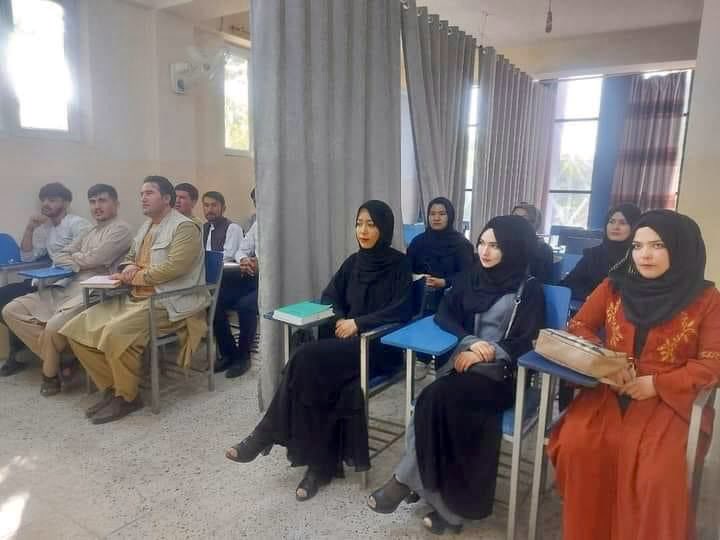
They’ve gone dark: Afghans who helped the U.S. military, trained as American-style journalists and rode the wave of women heading to higher education are destroying the diplomas, transcripts and résumés that prove how they built civil society in the country that the U.S. has left behind.
What censorship looks like: Dostoevsky and Russia’s ‘blogger law’
With more and more people around the world going online, governments around the world have been pushing back against youth and citizen journalism, particularly the type of coverage, commentary and community that exists on social media.
Russia’s “blogger law,” which went into effect last July, is one such example: According to the legislation, any person who publishes online content and has more than 3,000 daily readers must register with the government, provide personal information about him or herself, and follow the same rules as the country’s major media outlets. An earlier law that took effect in February gave authorities the power to block any website for any reason, without explanation.
Students at Sequoia High School in Redwood City, California researched the blogger law and created this project to show how it might affect their own writing, in this case, a student review of Dostoevsky’s “Crime and Punishment.”
“It was meant to be a blog written by radical journalists who are weary of Russia’s history of censoring its people,” wrote team leader May Martinho. “The first post is uncensored (and) the second is supposed to depict a literal and physical censoring of the content by the Russian government; ‘they’ are censoring anything that portrays (President Vladimir) Putin and the Russian government in a negative way.”
In addition to Martinho, team members were Wyatt Duncan, Gerard Chi Leal, Jasmine Simmons, and Sara Dugan.
–The editors
Uncensored:

Censored:


Related Posts