They’ve gone dark: Afghans who helped the U.S. military, trained as American-style journalists and rode the wave of women heading to higher education are destroying the diplomas, transcripts and résumés that prove how they built civil society in the country that the U.S. has left behind.
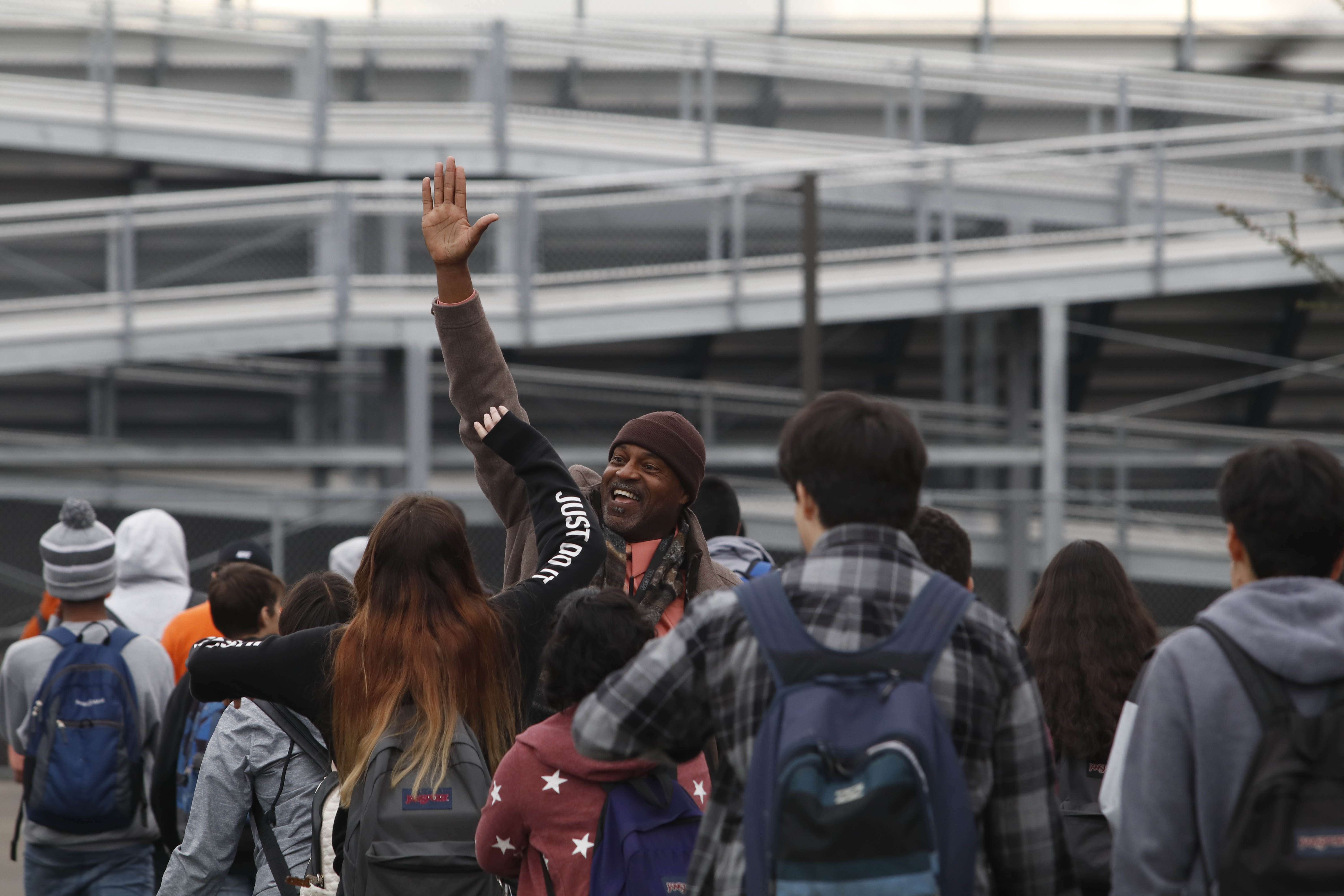
Lessons learned: Tips on how to have an effective protest at school
By Julia Rosete
GSS Correspondent
STOCKTON, California — In this city and in my school, we have a history of tragedy involving schools and guns. And we’ve learned, sometimes the hard way, how to protest.

On Jan. 17, 1989, Cleveland Elementary School in Stockton was one of the first schools in America to be targeted for a mass shooting. Five young children were shot and killed that day, and 32 others were wounded. The whole country was looking at our town, sending condolences and prayers of hope and reassurance that better times were to come.
One month ago, Parkland became a part of history for the same reason, with 17 students killed and many more wounded in another mass shooting on Feb. 14 at Marjory Stoneman Douglas High School.
Unfortunately, with the nation’s eyes again turned to students, a protest on Feb. 23 at Stagg High School, where I am a senior, was a disappointing day in our history.
The impromptu event was meant to be peaceful, enlightening, and above all things safe. It was an opportunity for us to show that our school is progressive and wants to see positive change with gun control in the United States.
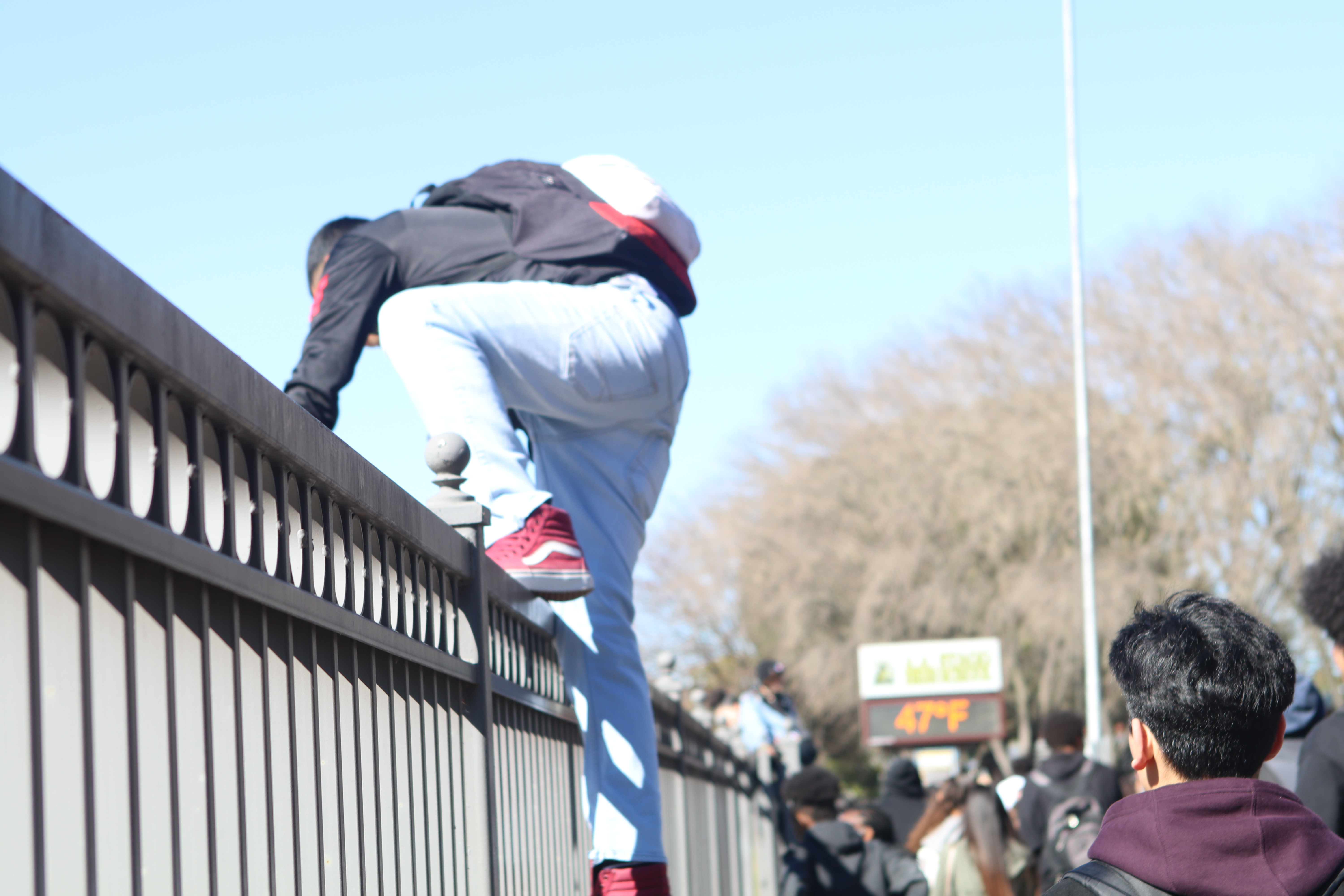
Yet many students took this moment to turn the demonstration into an excuse to vandalize school property and ditch their classes. Rocks were thrown at police vehicles, and a few students even blocked off the street in front of the campus, jumping on top of cars and even hanging onto them as they sped away from the mob of students.
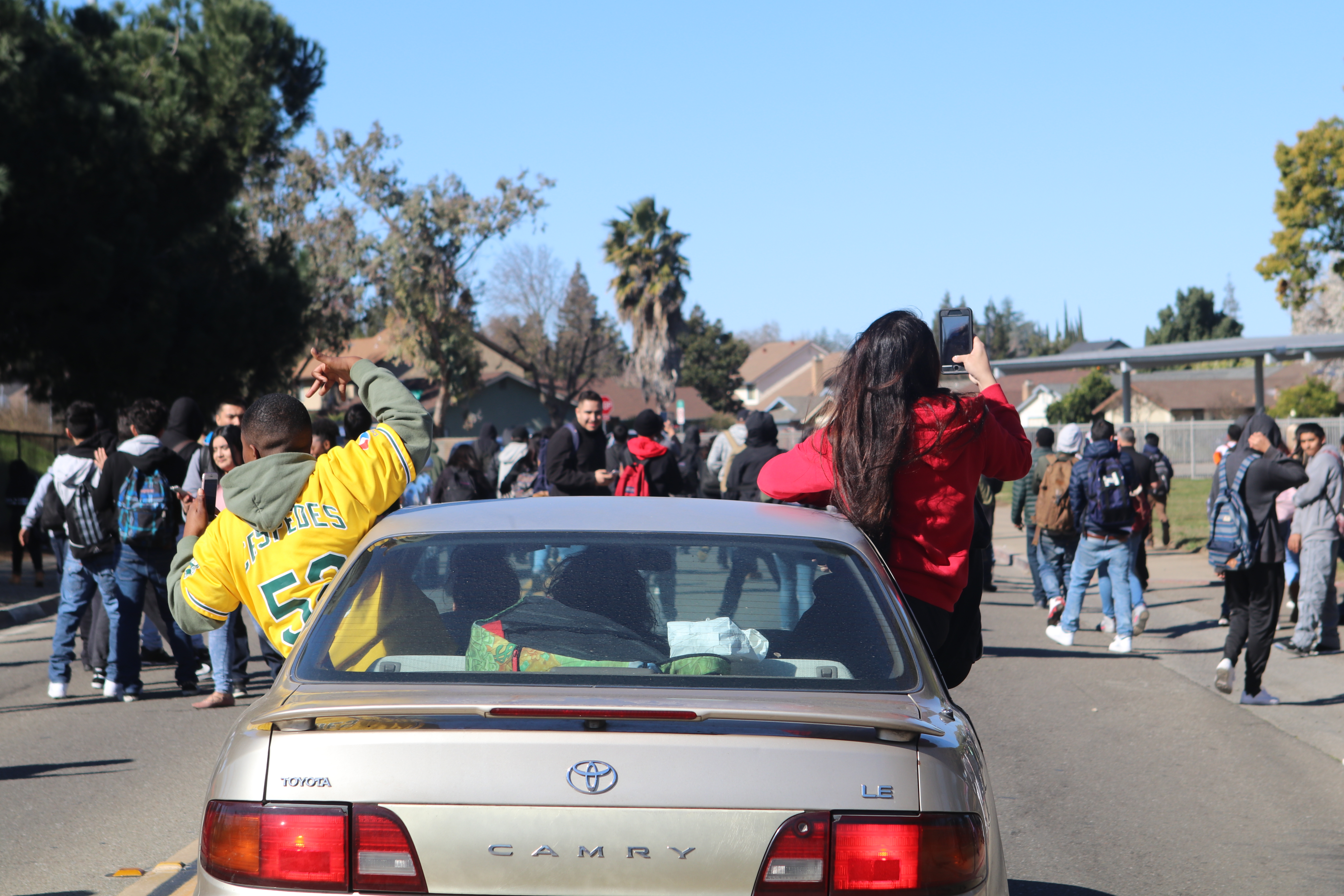
Students put themselves and others in danger during a walkout that was supposed to represent safety in America’s schools.
Not surprisingly, high school received a large amount of negative coverage from local media, including images of the wreckage left over from that day’s events and a female community college student whose car windows were shattered by rocks while she was attempting to drive herself to school. Our community pegged us with our stereotype yet again: a subpar school full of delinquents.
But that picture changed just two weeks later.
Thanks to some planning and preparation, March 14, may forever be as a brighter day in Stagg High’s history.
For the National Student Walkout, student leaders planned how to protest in advance.
Students stated 17 reasons why gun control was an important and serious topic in our country, and there was a moment of silence lasting 17 seconds, one for each innocent life taken at Stoneman Douglas High School.
While the same news crews that had covered us weeks ago came, waiting with their cameras to see if chaos would break out, they were met only with the more positive side of Stagg.
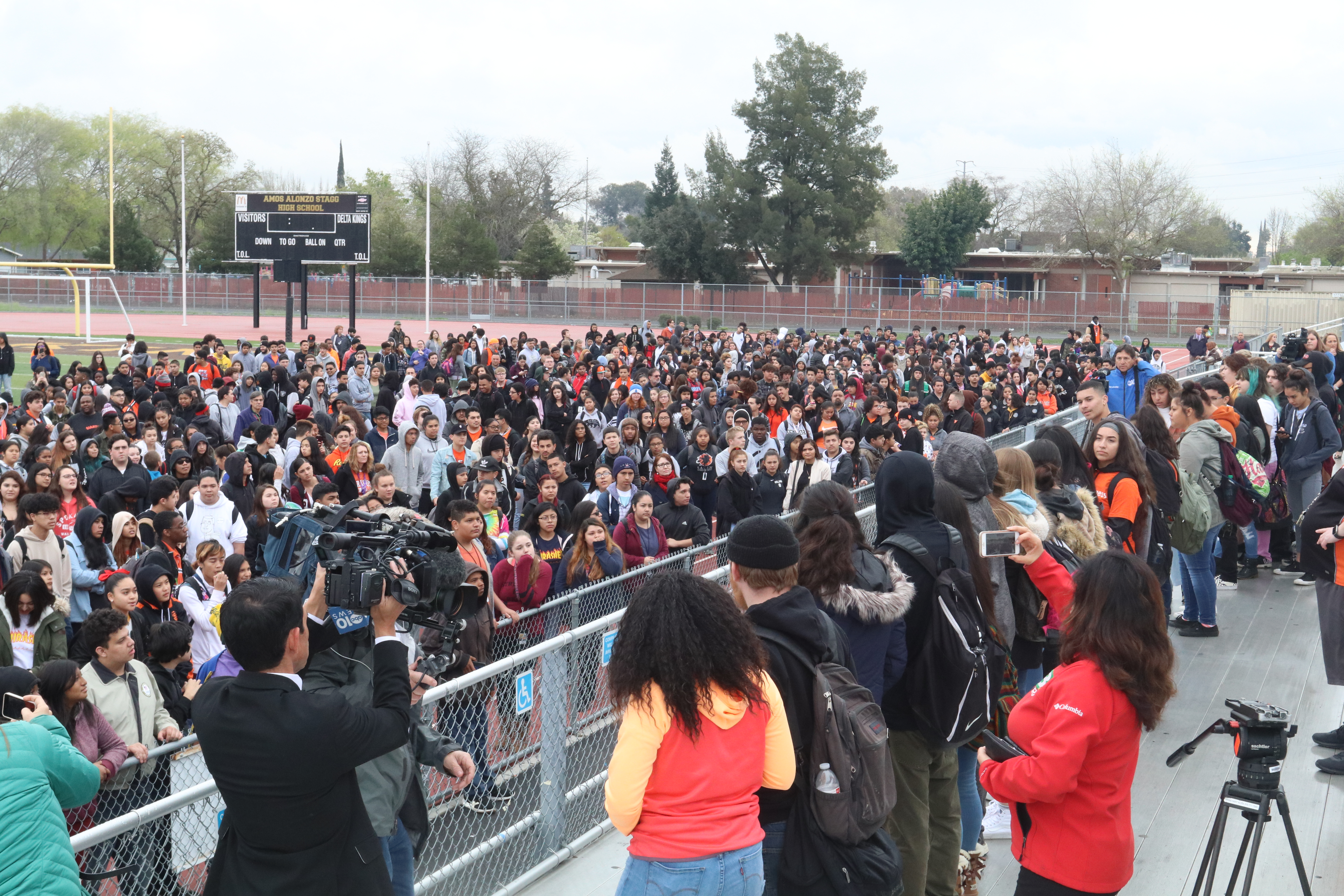
How did we turn things around? We learned how to raise our voices effectively instead of raising hell.
More than 30 years ago, the nation came together to give us hope. Now it’s our turn to repay the favor. For those of you heading out Saturday for March For Our Lives, we offer these tips:
Pick your student leaders. The February protest was spontaneous and student leaders didn’t have a chance to organize or rally students beforehand. But for the March 14 rally, Stagg’s Associated Student Body teamed up with the Peer Leaders Uniting Students team and school administration. These leaders scheduled speakers, planned the 17 seconds of silence and worked out where and how students would gather. Simple steps, but they made all the difference between a noisy protest and a respectful one.
Make sure you have the numbers. To work, a protest has to be more than just a few students venting their personal views. Do a Google survey of students before you head out of class; ask what is on their minds and what type of activity would be most effective, for example, hand-held signs and a walk around the campus, an open-mic at lunchtime, an all-black dress code, or other ideas.
Numbers can make the difference between a frustrated minority and a clear consensus: In February, it felt like in a crowd of nearly 250 students, 10 people participated in the walkout for the right reasons. But in March, three hundred students gathered together, setting differences aside, to join in the voice of teens leading the movement for nationwide change in our government.
Set the tone. Too often, taking to the street can make students feel like there are no rules at all, and personal responsibility goes out the door. Set clear expectations first: absolutely no violence. Don’t make others feel unsafe by your presence but rather intrigued it. Be not only respectful, but peaceful. Make people hear your message without feeling threatened by it.
Our February march was a vulgar display by students who used tragedy as a cause for celebration and cutting class. But in March, it was evident to everyone that no one would be attacking police officers or vandalizing property. This was a moment to make up for what happened last time, and it did in a big way. Students listened and cared. These were the Stagg students that were not seen before.
One thing that helped was a school saying: Have “Stagg Pride Inside.” Every time that phrase was chanted, it felt as though students really took to heart the meaning of those words. The chant wasn’t mindless, it meant something. That day, we showed that the small group of students who had further marred our reputation would not represent the masses. We showed that we wanted people to see us as young adults, not ignorant teens who kick open locked gates to leave campus.

Related Posts