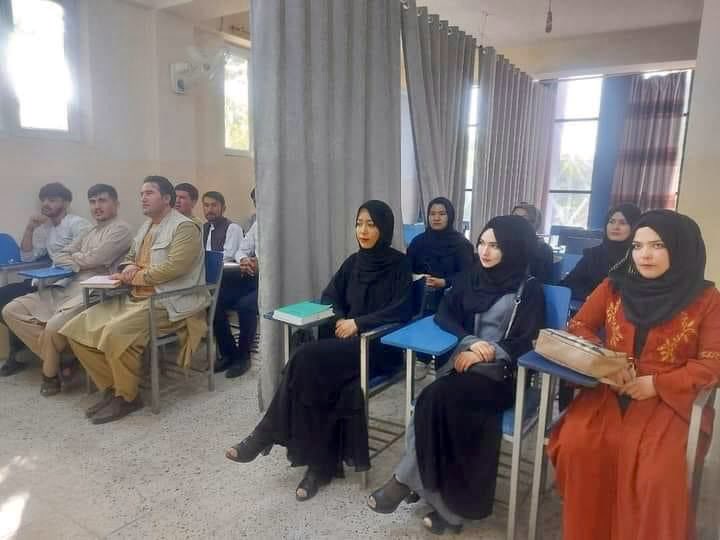
They’ve gone dark: Afghans who helped the U.S. military, trained as American-style journalists and rode the wave of women heading to higher education are destroying the diplomas, transcripts and résumés that prove how they built civil society in the country that the U.S. has left behind.
Opinion: K-pop reality show “Produce 101” should not “determine the fate of girls”
By Sarah Choi
GSS Correspondent
K-pop Co-Editor
“Your one vote determines the fate of girls!”
That’s the tagline for the new Korean music idol survival program called “Produce 101,” broadcast on the Mnet cable channel.:
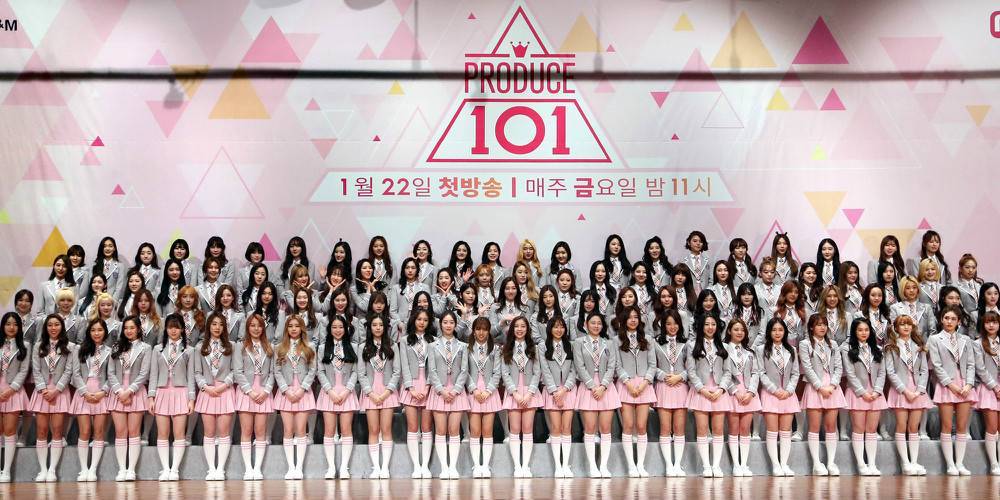
The setting is simple: 101 trainees from big and small K-pop corporations compete against each other to become part of a new female K-pop idol group consisting of 11 members. In order to achieve their long-cherished dreams of a public debut, these girls must audition for the so-called “public producers,” the viewers of the show.
That the viewers own the power to determine the “fate” of the 101 highly trained girls, and that the results are solely dependent on the votes of the public, not the judges, are making this program especially appealing to those who were bored by long-standing survival programs such as Superstar K, K-pop Star, or Voice Korea.
Public opinion of Produce 101 varied when it was introduced earlier this year. While some marveled at how the show managed to have 101 girls performing on a single stage, others asked, is this going to be another dull survival program? Will it only feed competition among already stressed-out teens?
Currently, the program seems to be popular, with reports of an “insane crowd” in the hundreds showing up to an unannounced “guerilla” concert in March, according to the fan website allkpop. However, as “Produce 101’s” popularity has intensified, critical voices have become more heated.
The main controversy is the fiercely competitive atmosphere that the program producers are creating. The ages of participants in the show vary from 13 to 28, but they are all relatively young. Critics call the producers’ attempt to create conflicts among youngsters “devil editing,” an attempt by Mnet to increase its ratings through provoking comments on the image of participating trainees. In fact, the recent scene of trainees from small corporations gossiping about a trainee from a large corporation bred discord among the girls and the viewers who support certain trainees.
Unfortunately, “devil editing” is not the end of the competition among these teenage girls.
Produce 101 is known for ranking all the trainees from one to 101, with designated seats that are arranged in the shape of a pyramid from worst to best. Advocates for the trainees condemned staging in a way that can torment the contestants, but director Joon-Yeong Ahn has said the pyramid is used “to clearly communicate the rankings to the viewers.”
The original intentions of producers or of K-pop corporations are not particularly significant. What really matters is that this program should not distort the long-cherished dreams of sincere girls who are practicing to achieve their goals. We can’t know yet if “Produce 101” will exacerbate Korea’s competitive culture through continuous broadcasting with “devil editing,” but we must do what we can not to trample on the dreams of other teens who watch this program.
 —Sarah Choi is a senior at Chadwick International School in Songdo, South Korea. Email Sarah at s2choi2017@chadwickschool.org.

Related Posts