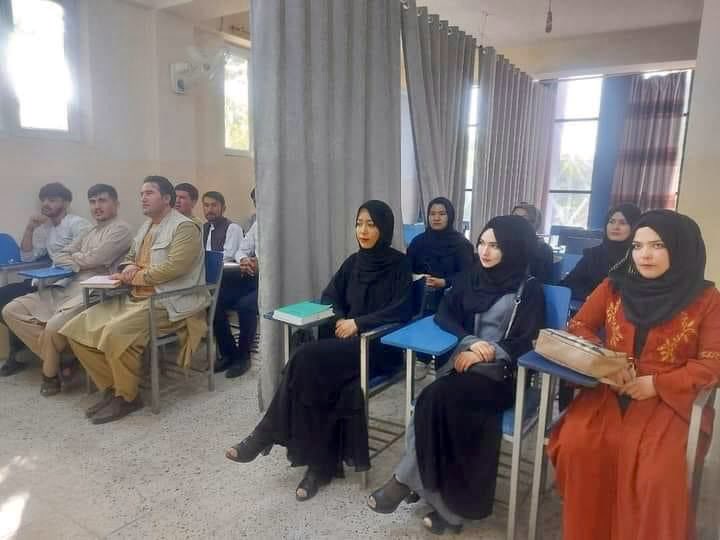
They’ve gone dark: Afghans who helped the U.S. military, trained as American-style journalists and rode the wave of women heading to higher education are destroying the diplomas, transcripts and résumés that prove how they built civil society in the country that the U.S. has left behind.
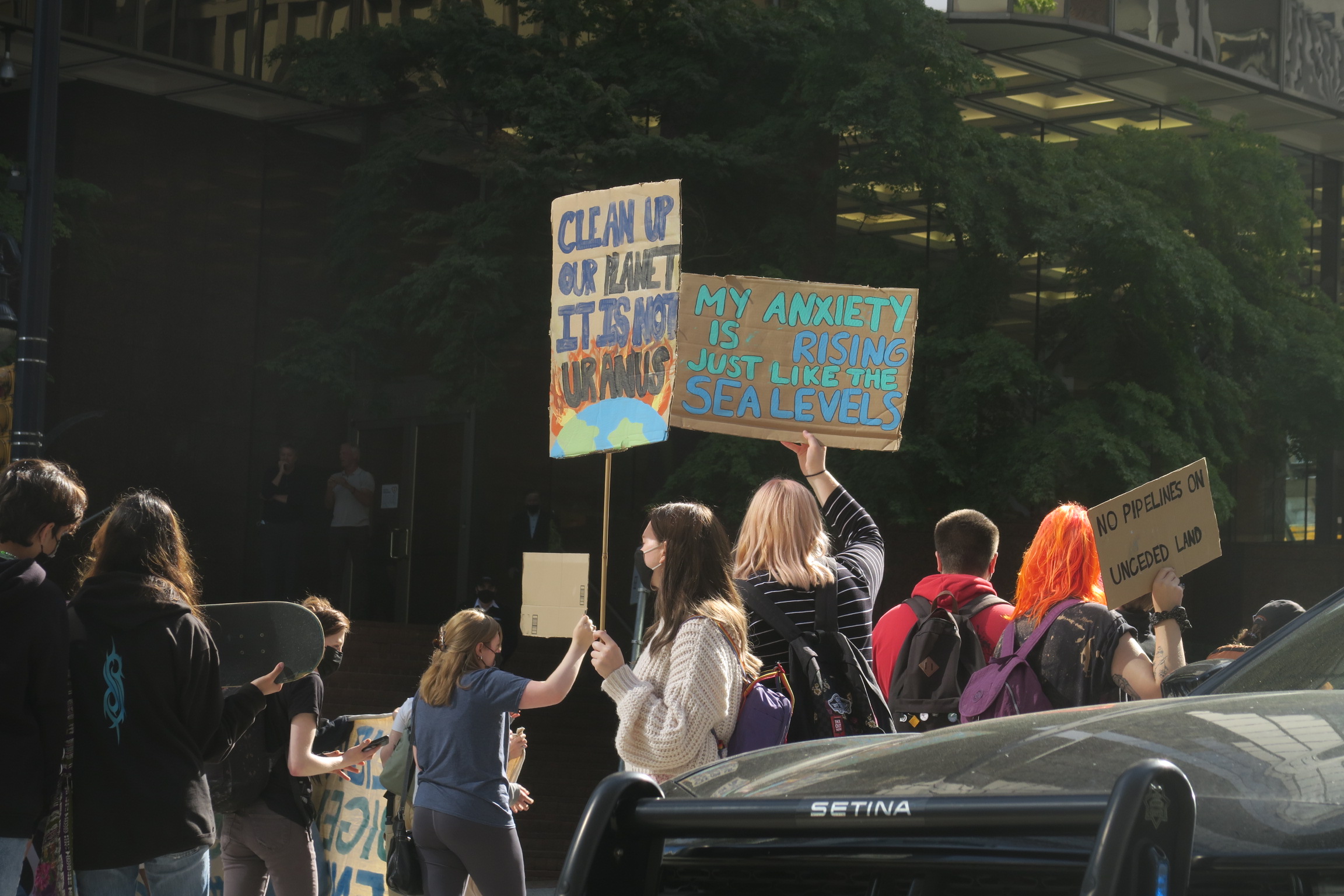
Friday strikes are back. Here’s how to restart the climate change conversation in your classroom.
By Matt Asuncion
Senior Editor/Digital
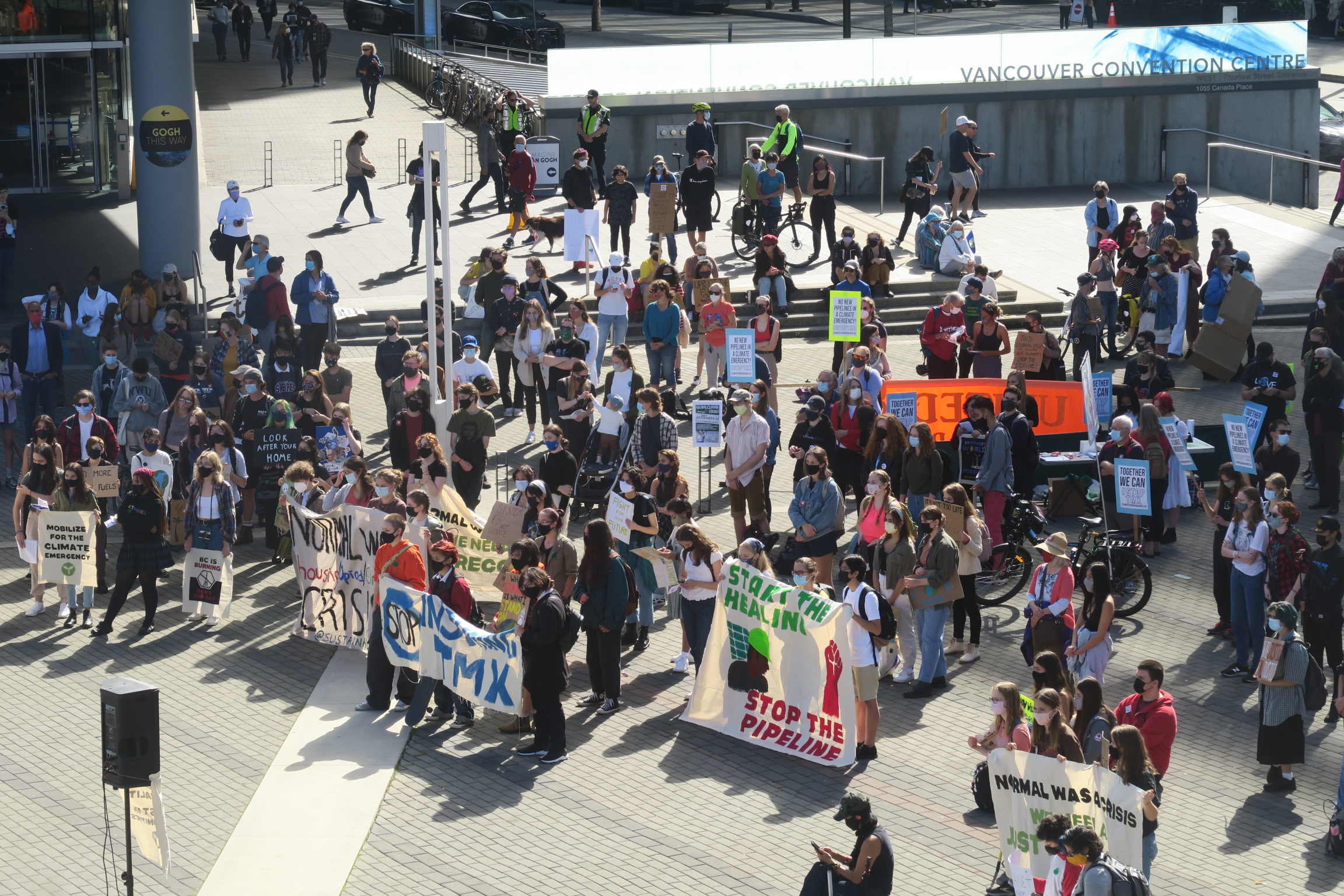
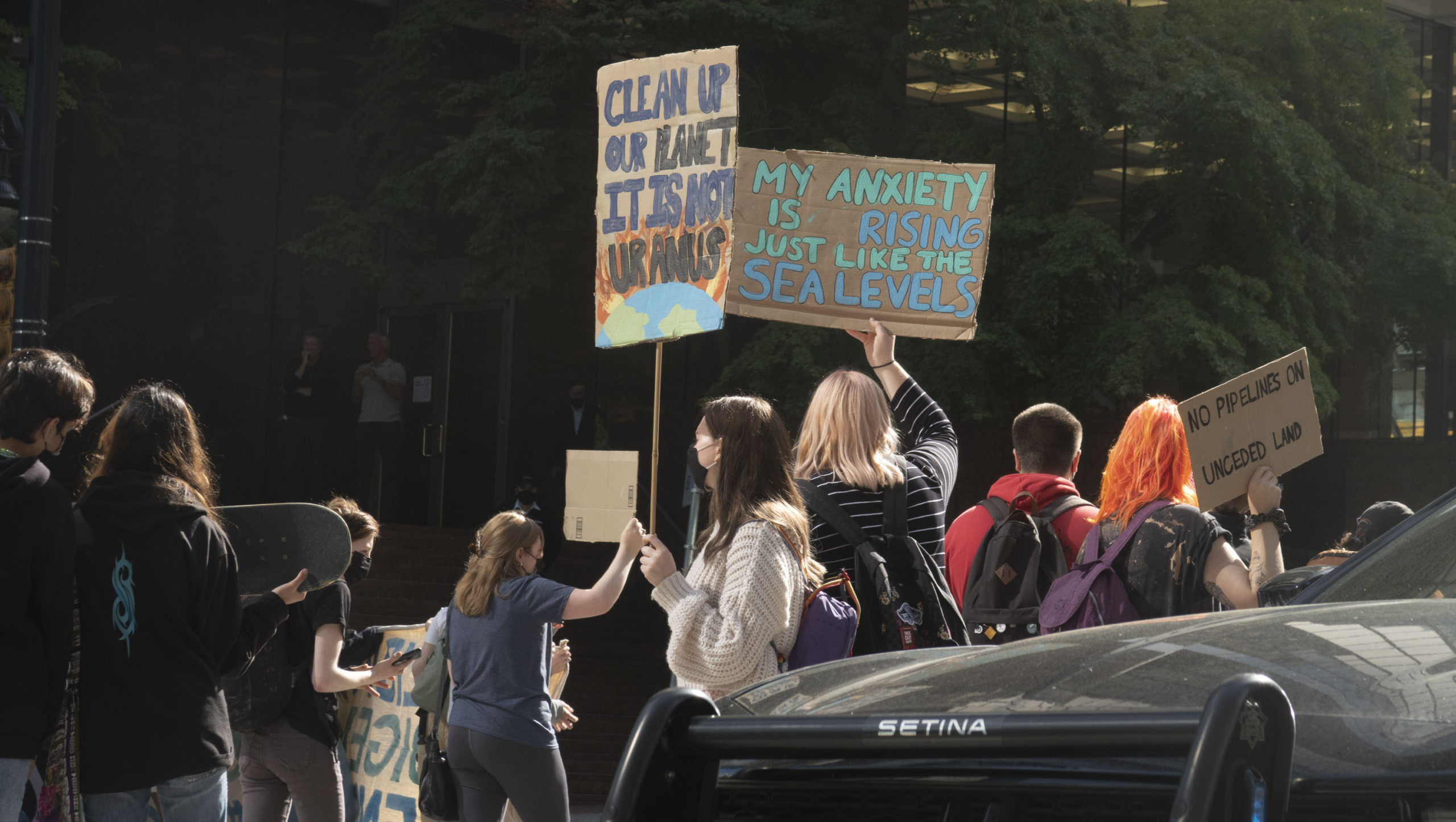
VANCOUVER, British Columbia — They’re back: Today’s Fridays for Future strike — the first in 18 months — will see youth activists taking to the streets again to push progress on solutions to climate change.
And that’s a good thing, because there’s been plenty of evidence this summer that climate change is already affecting the classroom.
A week after Hurricane Ida made landfall in Louisiana on Aug. 29, more than 250,000 K-12 students waited to return to school. A long list of power outages and building repairs could keep more than 45,000 of them waiting come early October, according to NPR.
Also in August, UNICEF estimated that more than 1 billion children worldwide are at “extremely high risk” from natural disasters such as heat waves, cyclones and drought, all increasing in both frequency and intensity.
Unfortunately, it’s possible that the long-awaited COP26 climate talks scheduled for November in Glasgow won’t get the international attendance or outcomes that the UN was hoping for, which puts even more pressure on student-activists around the world to make progress where they can.
Here’s what you can do to raise awareness and seek solutions where you are:
Get trained virtually, act locally
Al Gore’s Climate Reality Project offers free virtual training for students ages 13 with intensives on “science and solutions,” skills building for advocates and opportunities to network with youth climate leaders around the world.
Sessions are both live and on demand. The October workshop is full but click on the link above to get information on the next round.
Restart the climate conversation
Schools are supposed to prepare kids for the world ahead. But when it comes to the climate crisis, many schools in the U.S. are “playing catch-up.”
Consider how your science courses could teach you how to conduct citizen science or introduce you to podcasts and documentaries that put a face on climate change. What’s more, find out how your school’s climate education compares to other schools in your area, like these high school students did for a 2016 IowaWatch investigation.
The social sciences matter too. Is climate change mentioned in your government or civics classes? Can you discern between climate news and misinformation? Are there discussions about how issues like environmental racism impact your community? If any of the above sound iffy, see if your English teacher could assign a book of climate fiction to break the stigma on talking about climate action.
Lastly, ask your teachers what else they would include in their climate change curriculum. Whatever’s left out of lesson plans — whether it be for lack of time or administrative support — could make a great addition to your journalism and other student-led efforts.
Check in with your local (youth) leaders and lawmakers
As climate education can vary widely from state to state, it’s worth listening to the student groups in your community who have worked to fill in the gaps.
See if groups are pushing your school district to embrace environmental literacy and engage with local leaders.
Ask these groups how bills in Congress, such as the $3.5 trillion budget plan, could include funding for schools to install solar panels or greener heating and cooling systems. Reach out to your local congressperson and ask if they support these efforts.
Learn from those facing the consequences of climate injustice. Then learn how climate justice can help communities thrive and what students in your town are doing to make it a reality.
Tell the stories that bring climate change home
A school is more than a place where we take exams: it’s where we connect with others and learn more about the world around us. But wildfires in California and hurricanes across the Gulf Coast are teaching us lessons that schools cannot.
Talk about the ways we experience climate change that our parents and teachers didn’t.
Tell stories about how your P.E. class deals with smoky days and why climate anxiety might run through your thoughts even when skies are clear. Dig into why some schools have heat days instead of snow days and how urban heat islands follow students home, especially in low-income communities. Report on the chemicals finding their way through your water fountains and the industrial polluters sitting in your city’s backyard.
But also remember the collective strength we’ve forged through our call to climate action.
Shine a light on climate murals and other artworks that awaken our relentless creativity.
Highlight student efforts behind switching to reusable cutlery and tackling food waste. Or you can take the first step yourself and meet with your school’s cafeteria managers to request more vegetarian and vegan options. Trust me, your taste buds will thank you.
We hope we sparked some ideas for climate reporting in your neck of the woods. If you have more tips you’d like to share, tweet them at us @GSSVoices and @NewsroomBTB and we’ll share them onwards!

Related Posts