We consulted with three experts — a family lawyer specializing in divorce, a clinical psychologist, and a stand-up comic — for a different take on the kind of conflict resolution America might need.
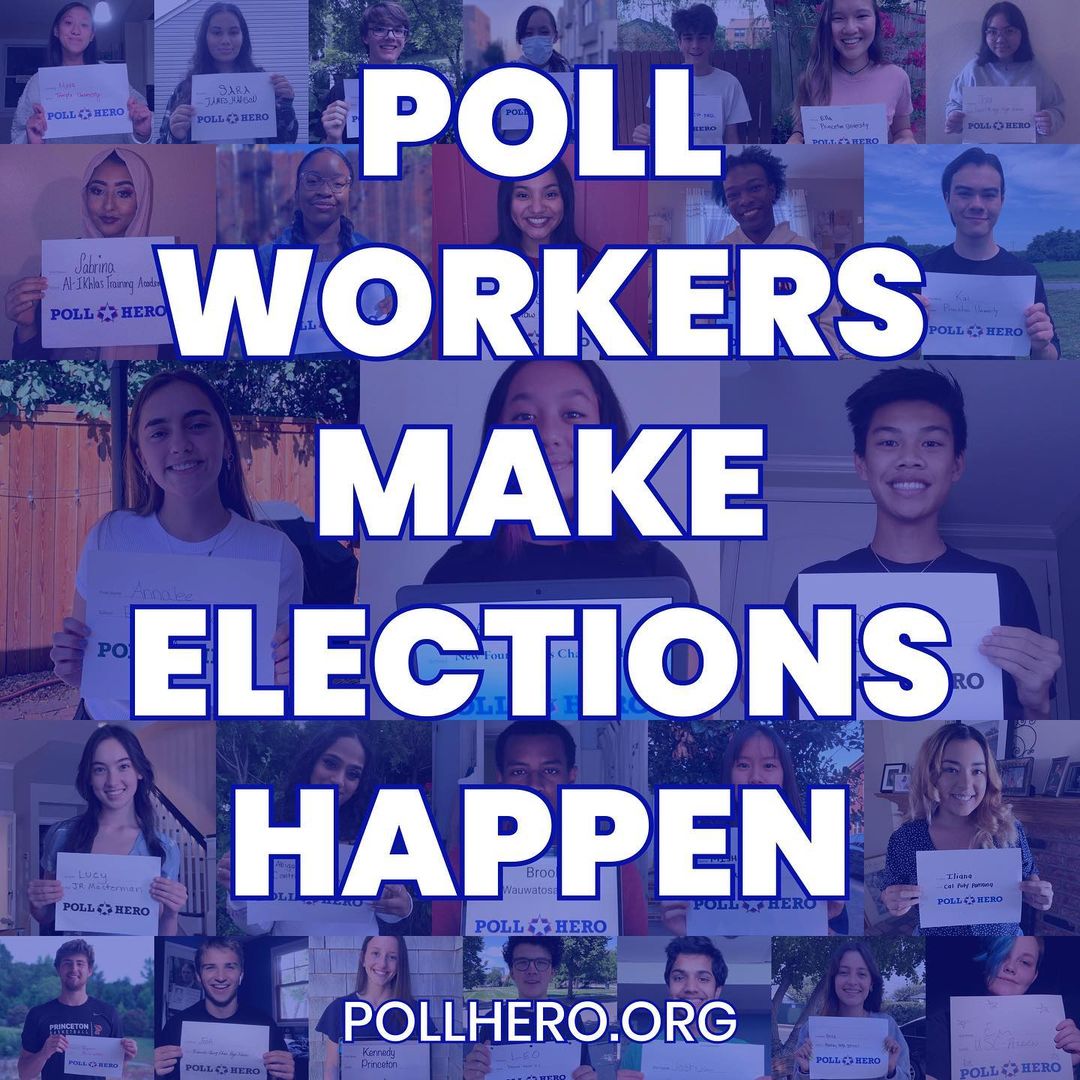
Making voting safe again: How Poll Hero recruited an army of youth workers for less than a penny per student — and shaped a historic election
By Leo Kamin
Special to Newsroom by the Bay Now
DENVER — In April 2020, Milwaukee, Wisconsin — population 588,265 — opened just five polling locations for its primary elections. On Nov. 3, it opened 173, along with a reported 15 absentee ballot drop boxes and more than a dozen early in-person voting locations.
What happened?
In the spring and summer, as COVID-19 cases rose throughout the nation, many election workers across the country (the people who operate the machinery, register voters, print the ballots, hand out the “I Voted” stickers, and so much more) chose to stay home. In 2016, more than half of poll workers were over the age of 60, the demographic most at-risk of complications from COVID-19.
With much of their traditional workforce sidelined, among other reasons, election officials across the country, especially in urban areas, were forced to close a large number of polling locations.
As a result, voters in cities like Milwaukee during the presidential primaries last spring were forced to wait in hours-long lines to have their voices heard; for hourly workers and for people without child care, these lines were effectively voter suppression. By summer, it was clear that going into the 2020 general election, America would need a new generation of poll workers to step up.
I felt that I was, in some ways, qualified to lend a hand. I had previously worked as a student poll worker in my hometown of Denver in the March Super Tuesday primaries. I knew that working the polls, as either an opportunity for a one-day paid break — yes, poll workers are paid! — from school, a great college resume item, or a tangible way to make a mark on the election, would be appealing to thousands of other high school students across the country.
So, when a group of students from Princeton and a graduate of the University of Chicago business school approached me in late July about starting an initiative to recruit young people to be poll workers, I jumped on it.
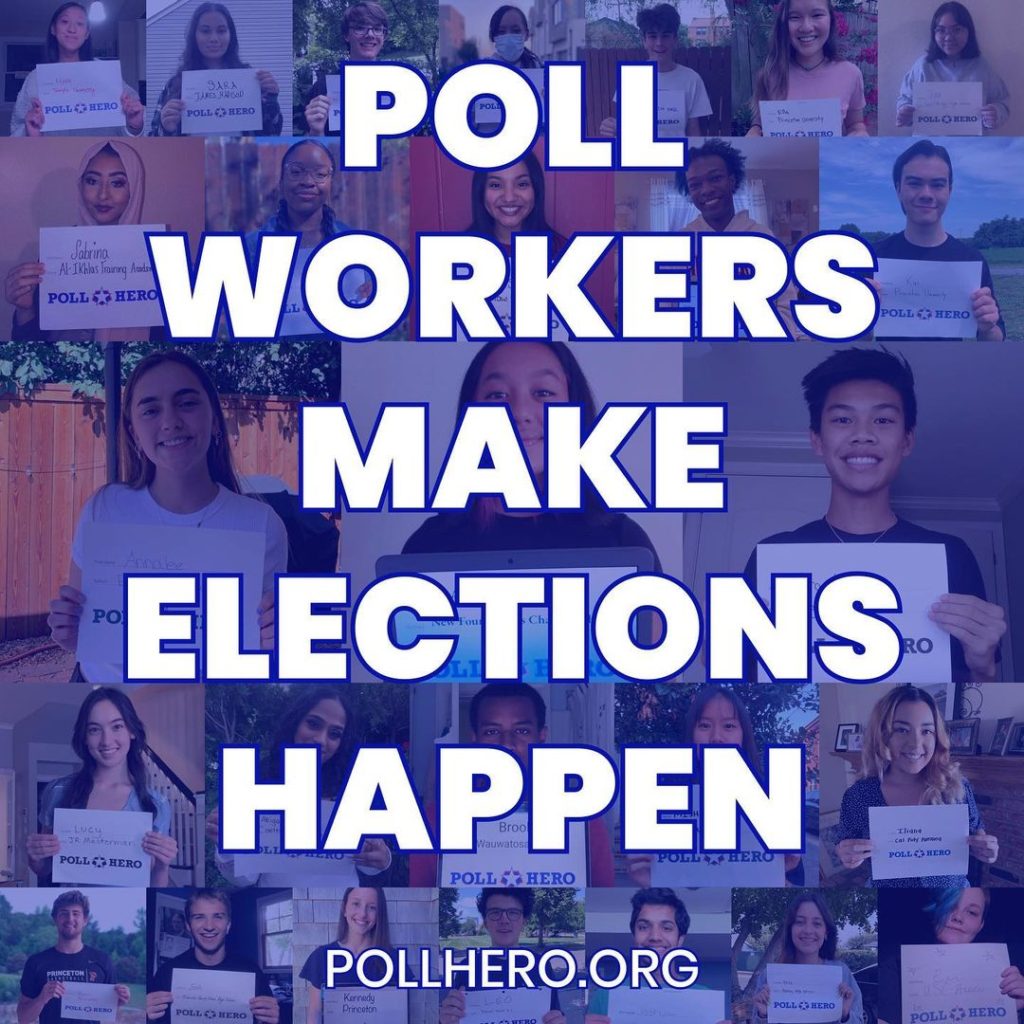
We called ourselves the Poll Hero Project and devised a strategy to reach students across the country on social media. Over the next few months, our rapidly-expanding team sent out thousands of Instagram DMs (direct messages) to teenagers across the country. By election day, we had recruited more than 37,000 young people to work the polls, surpassing even our grandest expectations. We had poll workers in all 50 states, and in many of the counties — Wayne, in Michigan; Philadelphia, in Pennsylvania; and Fulton, in Georgia — that later proved to be most decisive in the election’s outcome.
Remarkably, we spent just over $500 on this effort — 80% of it on stickers with our logo on them for our volunteers. That works out to 1.35 cents per student. This fall’s race for the White House, House and Senate seats was the most expensive ever. But it turns out that money didn’t matter much when it came to young people and poll work.
I like to think that Poll Hero, along with higher-profile groups like Power the Polls and More Than a Vote, played at least some role in ensuring that there was no major shortage of poll workers in the election.
Our organizing, though, was just a drop in the bucket of what young people across the nation did in preparation for the election. Groups like the Sunrise Movement reached millions of voters ahead of election day and thousands of smaller organizations in states, cities and schools led voter registration efforts.
That said, there is still a long way to go. Youth turnout seems to have increased in 2020, yet young voters (18-29) still make up the smallest share of the electorate. In order to increase that number going forward, there will need to be an even greater focus on efforts like voter registration. We also need to find ways to engage young people in our democracy at younger ages. This could mean further encouraging poll working (many states allow high school students as young as 16 to work the polls) or expanding civics education in schools.
As far as Poll Hero goes, we have turned our immediate attention to Georgia, where we hope to use our social media strategy to register young voters for the Jan. 5 runoff Senate elections.
—Leo Kamin is a senior at East High School in Denver, Colorado. Kamin served as co-editor-in-chief of Global Student Square, NBTB’s global website, during the summer 2020 program.
Want to be part of Poll Hero’s next steps? Register to vote in the Georgia runoff elections here. Sign up to work the polls for the Georgia runoffs or any future elections here.

Related Posts