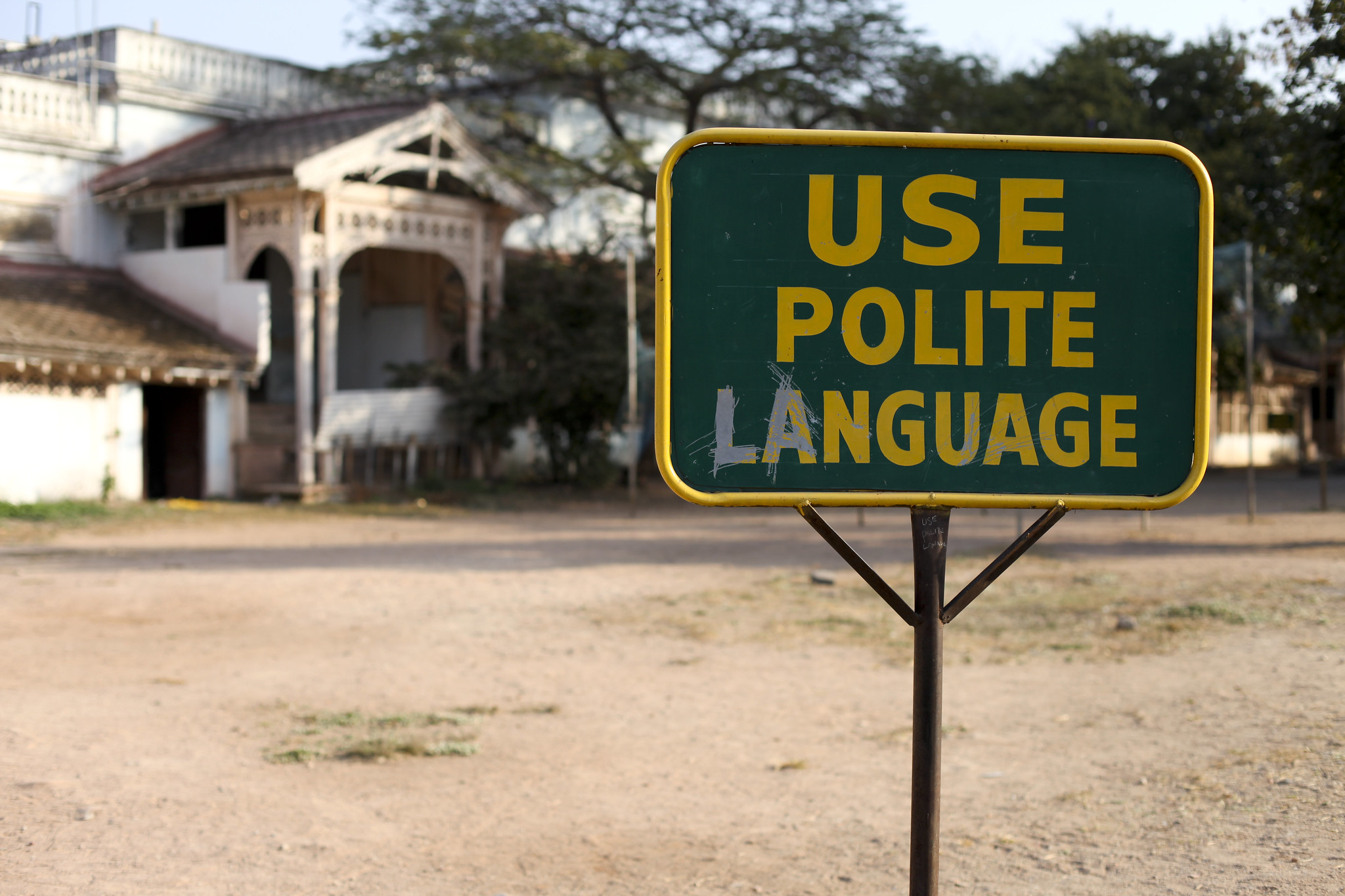
We consulted with three experts — a family lawyer specializing in divorce, a clinical psychologist, and a stand-up comic — for a different take on the kind of conflict resolution America might need.
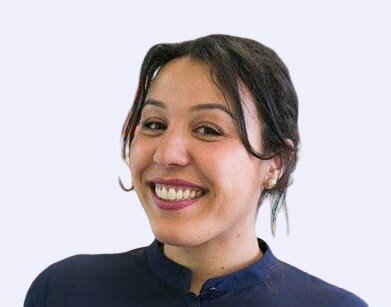
Five Questions with Karima Lynch
By Hunter Black
Newsroom by the Bay Now
Karima Lynch, 32, is the executive director of the San Francisco Democratic Party. Lynch emigrated to the United States in July 2015 and was formerly the deputy mayor of the city of Taverny, France, located approximately 14 miles north of Paris. As America moves on from a historic election that saw Kamala Harris, the former district attorney of San Francisco, elected vice-president, Lynch talks about what the vote means for the Democratic Party and the Bay Area, and the work ahead after a year marked by unrest. As a former French politician, she also weighed in on France’s recent struggles against terror attacks and Islamophobic rhetoric. Reporter Hunter Black emailed questions to Lynch, to which she responded in a recording. —the editors
Q: Now that the election is over, what will Democrats do during the next few years? What impact will the election of Joe Biden and Kamala Harris have?
We’re really focusing on the election in January (California’s Assembly District Election Meeting is held in odd number years in California to elect delegates to discuss and vote on issues within the California Democratic Party). These delegates are endorsing propositions from the state parties, (and) they’re also endorsing candidates, like (Speaker of the House of Representatives) Nancy Pelosi and also (California State Senator) Scott Wiener. So we just want to make sure that the people who are elected represent San Francisco. So that’s our goal right now.
(Our next goal) will probably be voter registration … As you know, Kamala Harris is from San Francisco, from Oakland. She’s known in the community and in the political sphere. A lot of people, elected officials, know her and have worked with her. So that will be really helpful for us.
Q: How will Democrats address the changes being sought by communities representing Black, Indigenous and people of color (BIPOC)?
We already really worked on that back in March. That was the (Assembly District) election of the people who are going to represent the San Francisco Democratic Party. So that was where we worked to make sure that there is diversity, different representation of genders and people of color. That was so important for us. So right there from the beginning … the D-Triple-C (the Democratic Congressional Campaign Committee, the campaign arm of the House of Representatives) was organized with these goals and this focus because we just wanted to make sure that they view and acknowledge every issue that is happening in states and in San Francisco.
We’re working really closely with different organizations and chartered clubs (clubs that are directly supported by and work with the San Francisco Democrat Party), like the young Latinx clubs that just got created. We chartered them and helped them to run phone banks and allowed them to build themselves and to create membership. We want to be more helpful for different clubs and communities, especially regarding POC.
Q: In your words, what does defunding the police force mean? How could BIPOC communities be affected?
Basically, the issue with defunding the police is that everybody has a different sense of what defunding the police means: Some people mean totally eradicating the police, some other people mean redistributing the funding (and) some people mean retraining police officers.
We have so many different types and ideologies around defunding the police. I cannot speak on that matter, because for me, it’s a totally different definition than maybe for the chair of the party.
(A)s you may know, there’s 33 delegates in the San Francisco Democratic Party, and each one of them has a different version of “What is defunding the police?” So I think our work next year is really to work on what it means: What is the definition? What is the plan we want to move forward?
Q: What do you want California Gov. Gavin Newsom to do about immigration including those held in detention centers?
So we actually did a resolution this year (and) we’re pretty vocal about this (Resolution 20-06.40, which would release all people held in immigration detention centers in California, halt expansion of detention centers and prevent transfer of immigrants to the U.S. Immigrations and Customs Enforcement agency).The state party is going to review it and see if we can vote on it.
Q: What are your views on the debate about secularism versus multiculturalism in France? How is President Emmanuel Macron doing so far?
This is a problem. I never saw that issue being so discussed (in France), and (it is) really concerning. I do think President Macron — even if I do not agree with him on everything — I do think he’s trying to handle the hate and trying to balance things as much as he can.
(Editor’s note: After a series of public attacks in France, Macron is pushing for measures criticized by some as Islamaphobic. French legislators are debating a bill that would forbid the publication of images of police officers, provoking outrage from journalists and human rights groups).
I know it’s really hard after so many terrorist attacks to not (feel) fear, and to try to calm the population and people. So I do think they’re doing a good job. My fear is that (the numbers of) attacks on the Muslim people are now really high … We need to bring Muslim people into the table and talk; in those debates there are no Muslims, or talks about religion. And now the religion has been attacked. And it’s hard, really, to defend it when there are no Muslim people at the table.

Related Posts