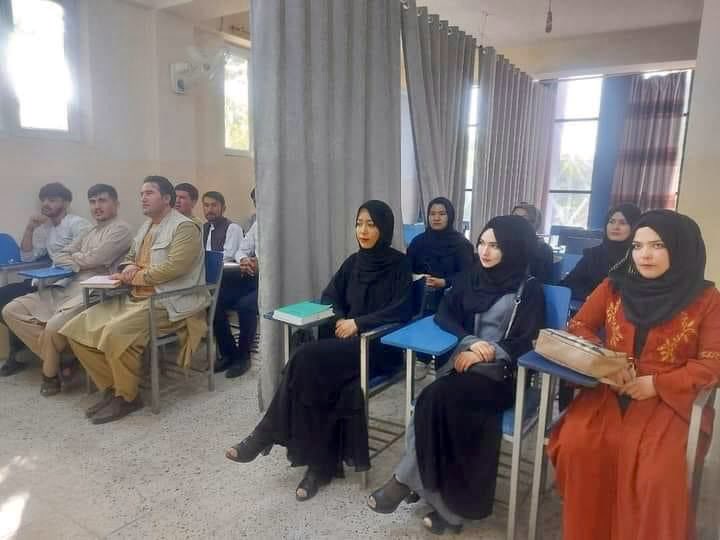
They’ve gone dark: Afghans who helped the U.S. military, trained as American-style journalists and rode the wave of women heading to higher education are destroying the diplomas, transcripts and résumés that prove how they built civil society in the country that the U.S. has left behind.
The surprising impact of the coronavirus on youth activism
By Sydney Lesnick, Newsroom By the Bay
JERICHO, N.Y. — While millions of youth activists took to the streets to support Black Lives Matter this spring, rising high school senior Alice Shu was at home in California with her sticker machine.
“I had a lot of time during quarantine,” said Shu. “I was watching a lot of stuff and I thought, ‘I might as well put this time to good use.’”
Shu, who lives in Fremont, California, created Spooky Sticker Shop, a sticker business aimed at raising money and donations for BLM organizations. She began work in early March after discovering a sticker machine she had received as a Christmas gift.
Shu uses Instagram to market and sell her stickers, with half of the proceeds currently going to the NAACP, America’s oldest civil rights organization. As of August 3, Shu has donated over $100 to the group.
Shu, who says her activism experience is limited, believes that she would not have been as active in supporting Black Lives Matter if it weren’t for COVID-19 and the forced downtime that has resulted from restrictive shelter-in-place orders.
“I definitely think that if it wasn’t for the unique situation that COVID brought, I wouldn’t be prompted to make stickers,” Shu said.

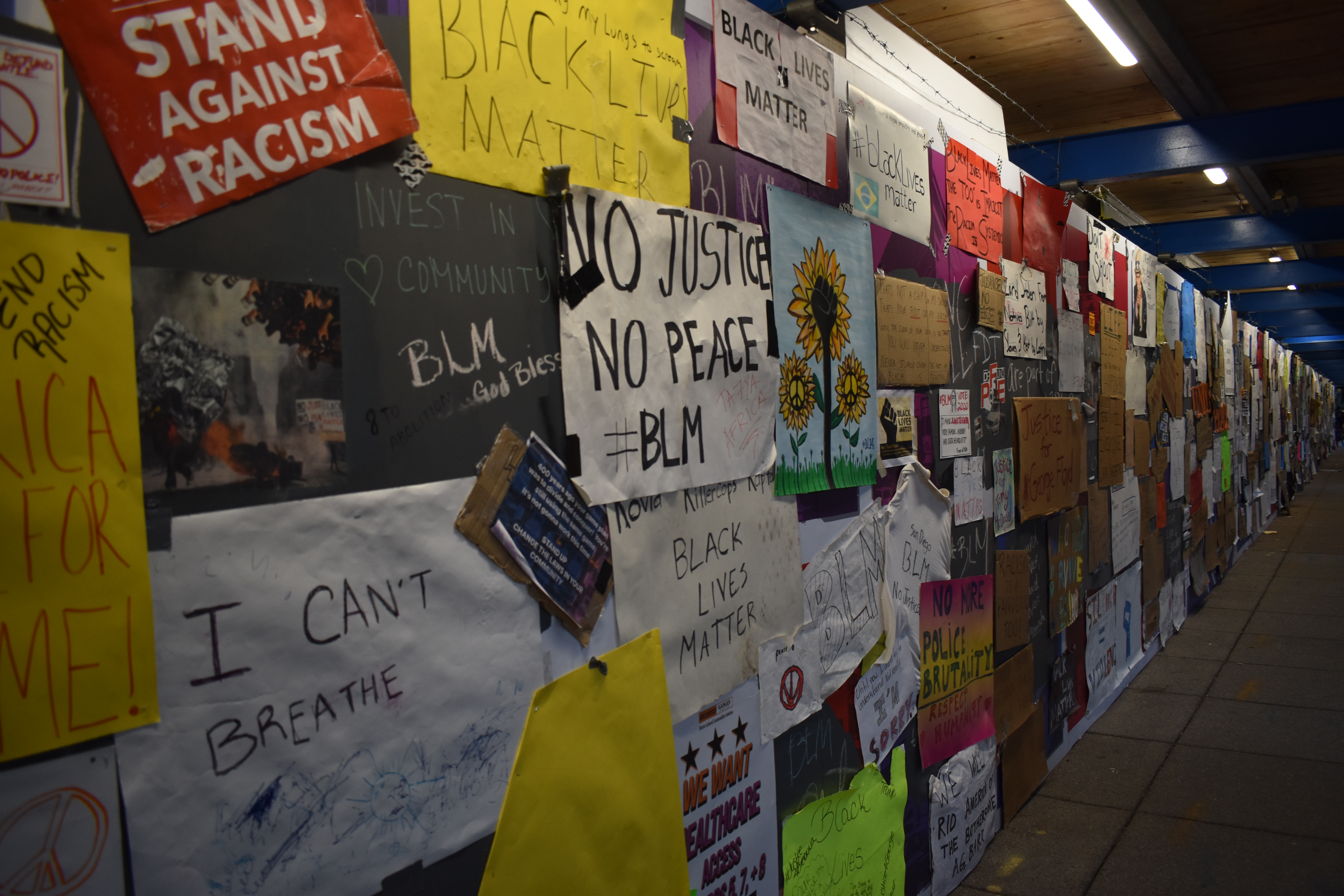
Following the death of George Floyd, who was killed on May 25 in Minneapolis at the hand of a white police officer, the Black Lives Matter movement has gained a tremendous following, with millions of Americans joining in street demonstrations nationwide.
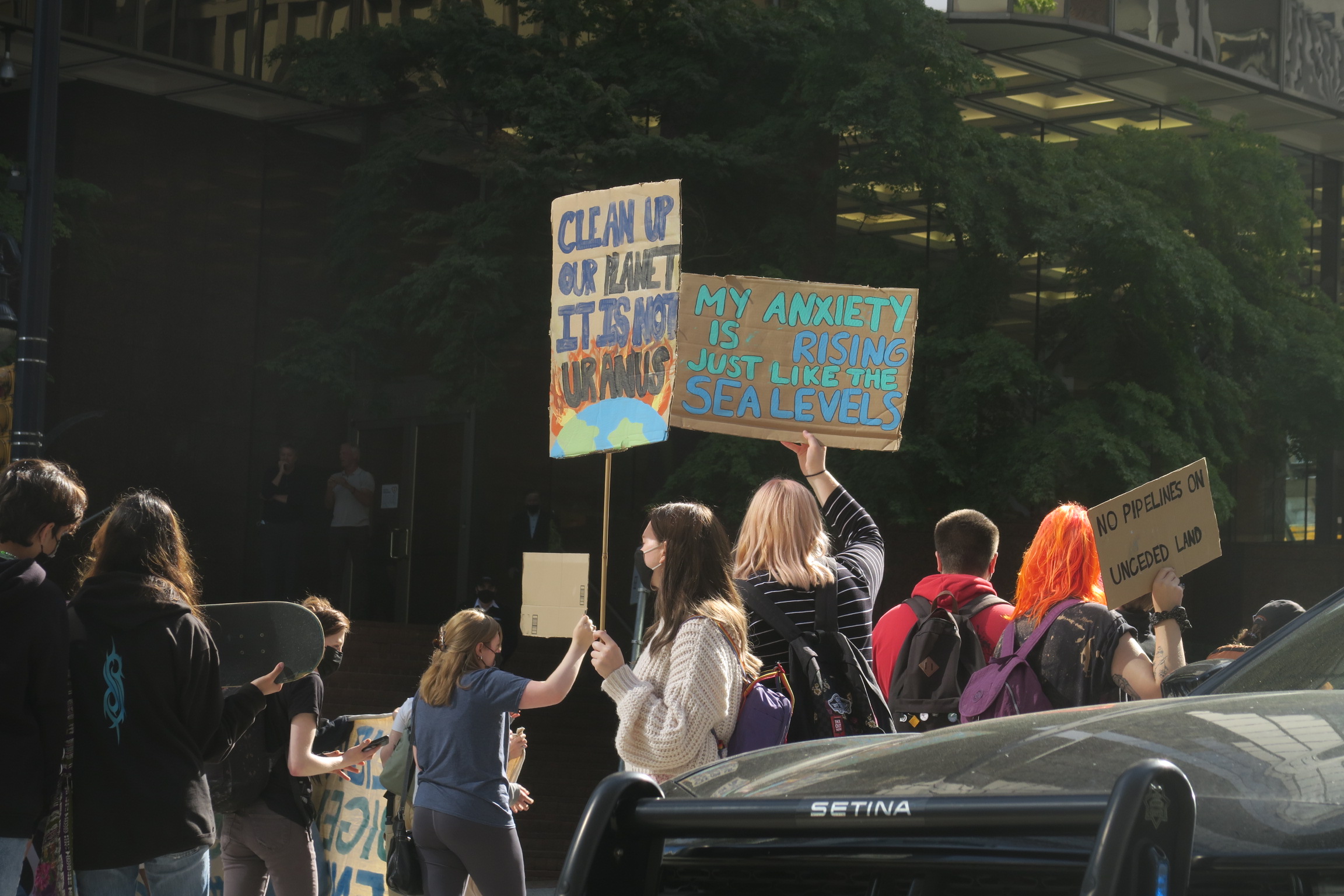
While COVID-19 has made it difficult for some to join protests, the forced downtime of quarantine has had a surprising impact on youth activists, creating space and time for them to speak out on social media and raise money for a good cause.
Charlotte Ehrlich, a rising high school senior, believes that the coronavirus has actually allowed her to become more engaged with the Black Lives Matter movement.
“I’ve had many opportunities to research and give resources to people online that I wouldn’t have because I would have been distracted and travelling,” said Ehrlich.
The story is different when it comes to attending protests in person, where social distancing is difficult. A survey of 24 students found that half were unable to attend protests due to coronavirus concerns. Many said distancing kept them from joining street demonstrations and rallies to fight for their beliefs.
Madison Rojas, a rising high school sophomore from La Cañada Flintridge, California, is no stranger to activism. She has made it a point to attend protests like the Women’s March and often works to educate herself on civil rights causes.
But the pandemic is different.
“I wanted to attend protests, but because I live in Los Angeles, and there are many cases in this area, my parents didn’t want me to go out and be in large crowds,” Rojas said.
With COVID-19 cases rising in many states, with some cities going back to more restrictions on business and social activity, student activists such as Rojas have been delving deeper into social media campaigns.
Whether through posting on social media, attending protests or fundraising for organizations, one thing is certain during such an unprecedented time: COVID-19 has had an important impact on student involvement in Black Lives Matter.
“Of course, Black Lives Matter and activism should never take a vacation, but I can say in all honesty that I would not have had the engagement that I do had it not been for COVID-19,” said Ehrlich.
—Listen to “The power of participation amidst a pandemic” at “Recording Race,” a new podcast created by Newsroom by the Bay’s Summer 2020 students under the guidance of team leader Maggie Galloway.

Related Posts