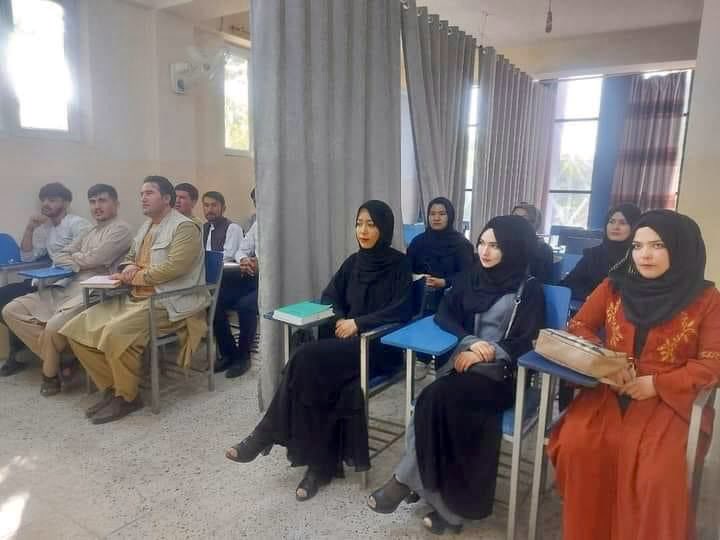
They’ve gone dark: Afghans who helped the U.S. military, trained as American-style journalists and rode the wave of women heading to higher education are destroying the diplomas, transcripts and résumés that prove how they built civil society in the country that the U.S. has left behind.
The art of protest — creating awareness, support for #BLM and social causes
Mahek Bhora, Newsroom By the Bay
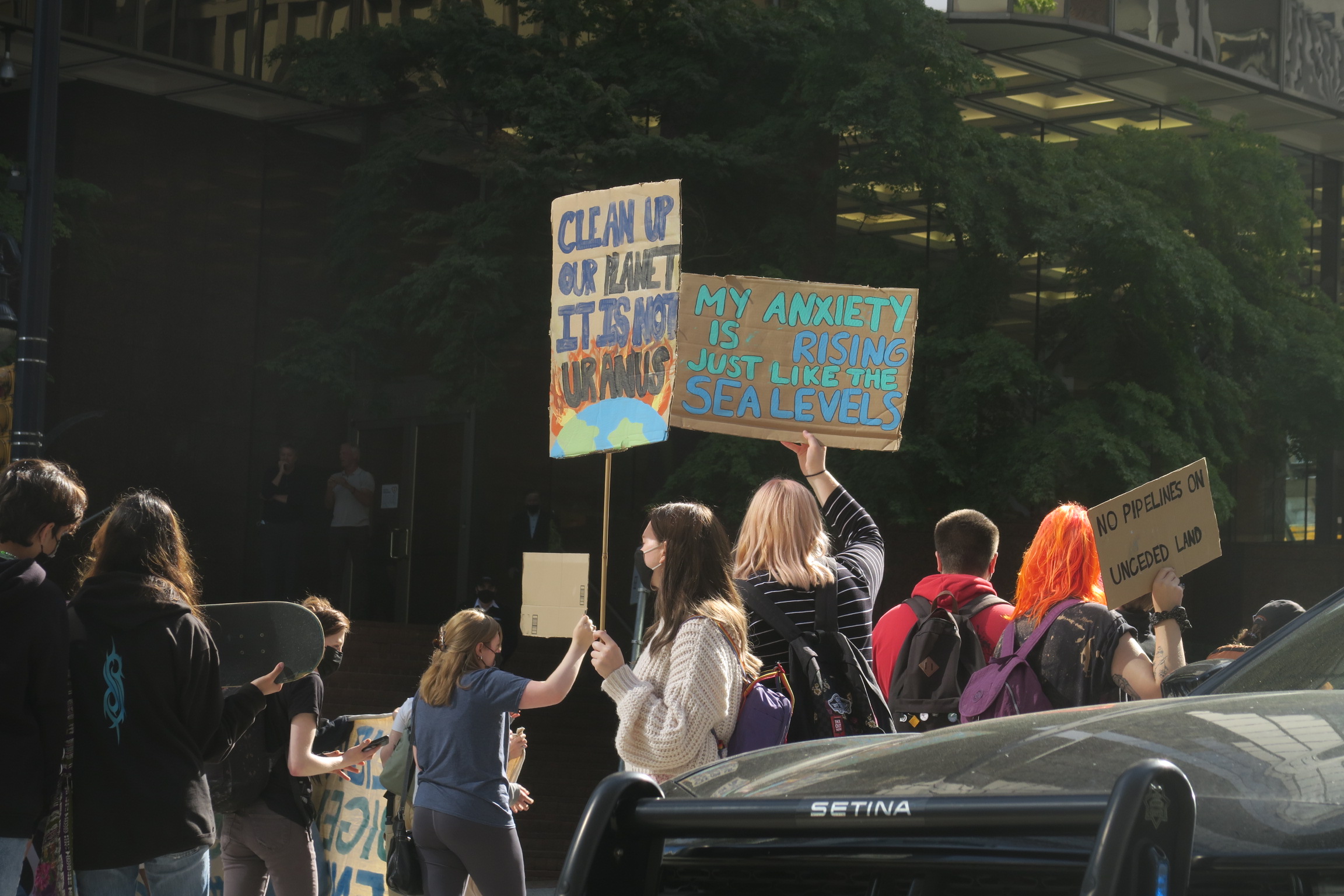
FREMONT, California –– When the news of George Floyd’s murder broke, the world erupted. Outrage — fueled by lifetimes of pain voiced by Black people in response to the death of a Minneapolis man at the hands of a white police officer — sparked protests all over the world, including an explosion of art from streets to social media.
Songs, murals and digital illustrations captured emotions while photography caught powerful moments of people leaving their marks on history.
The freedom to create can be overwhelming for those who see it as a chore rather than as self-expression. But over the past couple months, art has become so much more: It is now a driving force and the backbone of one of the largest movements in U.S. history.
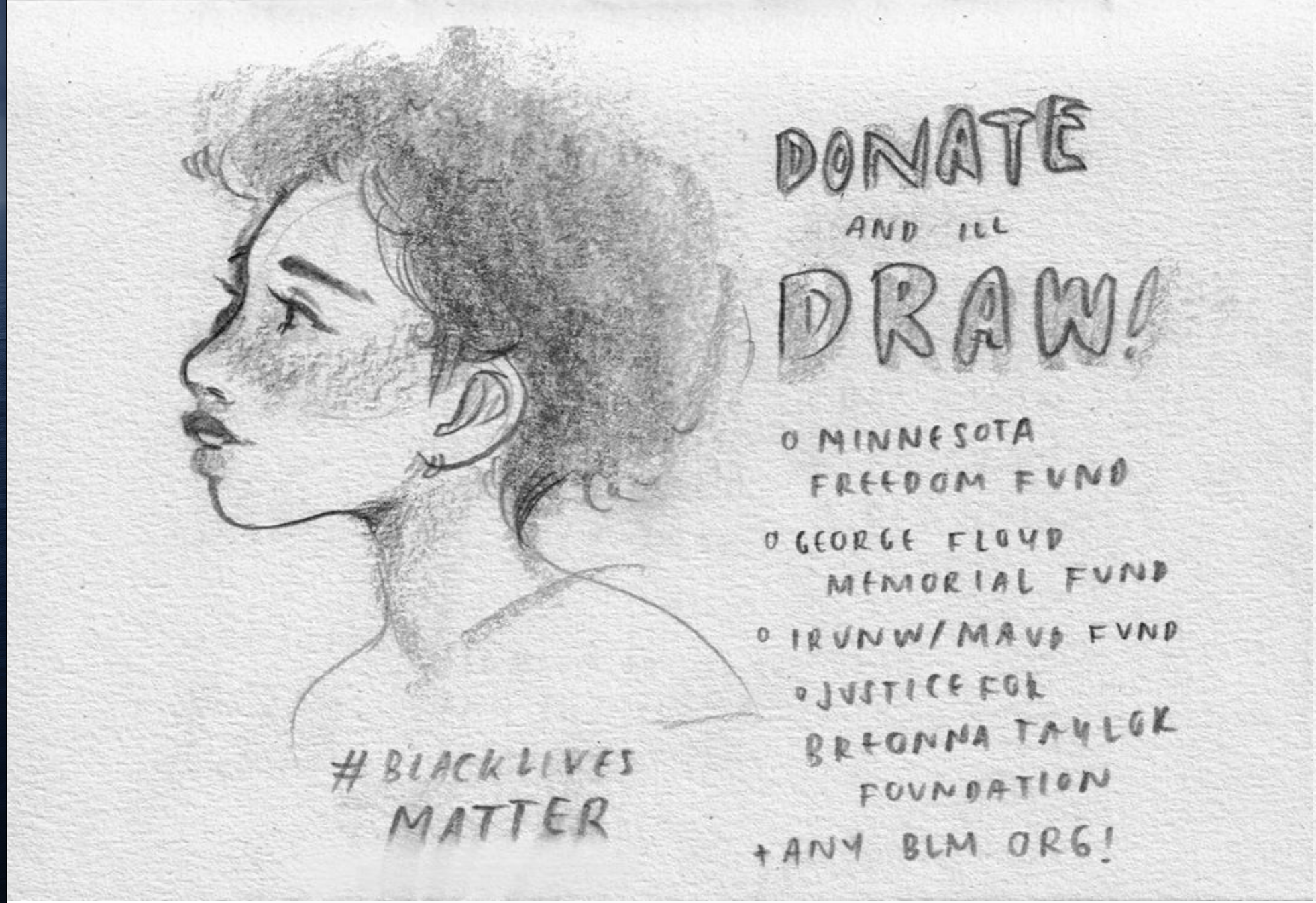
Even more remarkable, art is becoming a way of raising money for Black lives and causes that matter. As tributes to Floyd and other victims of police brutality, artists on social media and in real life began doing what they do best — creating. They then took to their social media accounts and turned those creations into profits, which they then donated to funds supporting the Black Lives Matter movement. Domee Shi, the director of the Pixar short film “Bao,” auctioned off some of her artwork to raise money for three foundations supporting Black causes.
Raising money through art on Instagram
Kiran Patel, a rising senior at Mission San Jose High School in Fremont, California, was also one of the artists who used his platform to be an ally for the cause.
“I wanted to go a step further than just sharing posts and info on my (Instagram) stories, so I opened my DM’s (for commissions) in hopes of raising a good chunk of money for BLM foundations,” Patel said.
Patel loves how art has the ability to “erase boundaries,” and how something so simple can have such a profound impact.
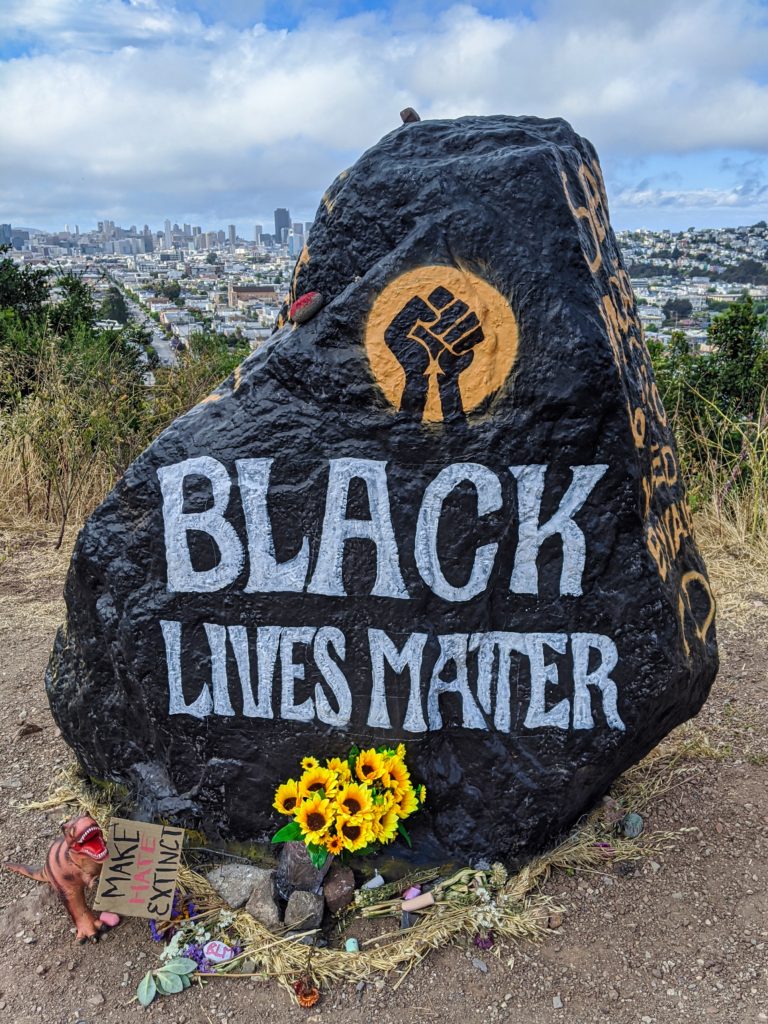
“During times of civil unrest, there’s always an image that represents the movement. something so simple –– a fist — can mean so much,” he said. “In light of all the tragedies, art can capture a feeling that words can’t.”
This movement has inspired art, and art drives action.
Film – a powerful way to show stories of change
In recent years, various documentaries and films have been made, highlighting the racial imbalances at the core of the justice system in this country. Hoping to help shed light on systemic racism towards Black people, streaming services like Netflix and The Criterion Channel have made many of their films free, allowing anyone with a device to have access to these educational pieces.
After “13th,” a documentary labeled by Netflix as “Ava DuVernay’s essential doc about the intersection of race, justice and mass incarceration in the US” was made free to the public, Netflix reported a 4,000% surge in viewers. With such a massive rise in attention, it’s safe to say that the entertainment industry has played an instrumental role in raising awareness.
Aiko Lozar, an award-winning student director and rising senior at Carlsbad High School in Carlsbad, California, was inspired by the 2019 film “Just Mercy,” which is based on a book by the lawyer who defended a wrongly accused Black man on death row for allegedly killing an 18-year-old white girl.
“I want to create films that spark societal change,” she said. “(Art) allows people to step into another person’s shoes. That conversation is the only thing keeping us from being on the same page because we grow up in our own perspectives.”
Lozar is ardent about actively making a difference. For her, art serves as a connection between people, especially right now.
“Because of COVID-19, it’s not like we can have conversations with each other in person,” Lozar said. “We’re getting our information through art.”
Photography that captures tumultuous moments
Photography has also become an increasingly important medium for spreading the truth in recent years due to its ability to freeze moments in time.
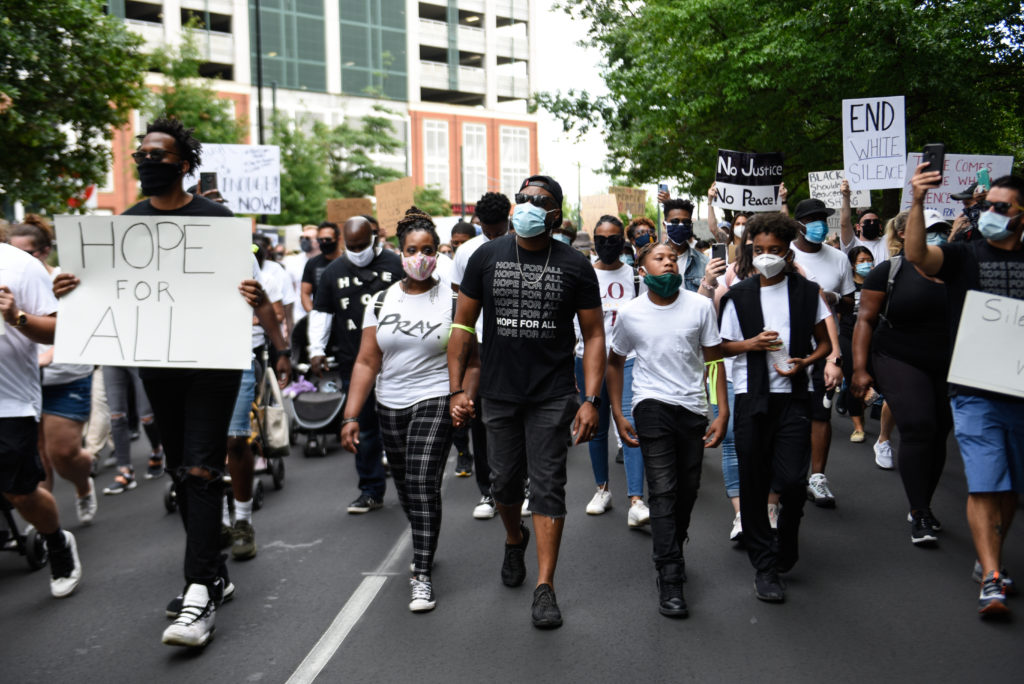
A camera is photojournalist Dustin Duong’s paintbrush. The University of North Carolina at Chapel Hill sophomore has captured stills of Black Lives Matter rallies in his area, often of passionate protesters after receiving their consent. Duong recognizes the importance of ethical photography for preserving history as accurately as possible, especially during such a racially tense period in time.
“Photojournalism is a time capsule,” he said.
Duong is a successful photographer, but understands that right now is a time for Black voices to be amplified. Before accepting an assignment or going out to shoot, he asks himself if there is a Black photographer who might be “better equipped to cover his own community” in order to prevent forced narratives from the perspective of an outsider looking into the most vulnerable moments of the Black community.
During today’s tumultuous and confusing times, art has proven itself to be essential to our health and happiness. It has become a safe haven, allowing anyone to find solace in its creations — whether it be through pencil sketches or documenting today’s most defining events on camera.

Related Posts